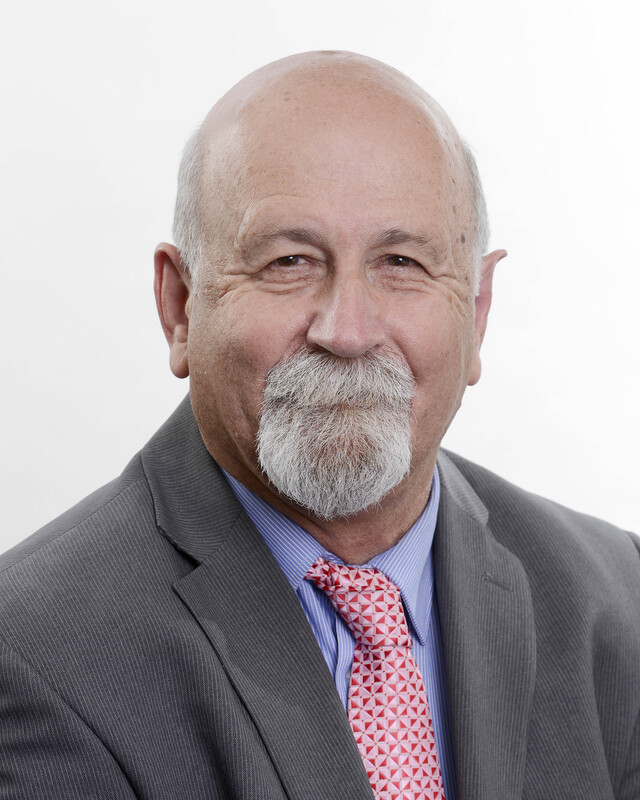
Each edition we feature the views of a Local Government Association President. The following is from Councillor Chris Vardon, President New South Wales Shires Association.
A dynamic framework outlining a 20 year vision for balanced development throughout NSW is giving those of us involved in Local Government plenty to think about and act upon.
The report, A Framework for Whole of the State Development was commissioned by the Local Government and Shires Associations of NSW amid deep concerns over growing disparities in employment, wealth, income and educational opportunities between regions and within regions in NSW. It was released earlier this year at the State Assembly of Local Government in Sydney.
While recognising common challenges facing all non metropolitan and metropolitan regions of the state, the report also focuses on distinctive challenges facing different types of regions.
The report divides NSW into five types of regions: Established Sydney, Developing Sydney, Rural NSW, Post Industrial Regions and Lifestyle Regions. The challenges include increasing congestion and other environmental problems associated with the growth of Sydney, population decline in rural areas west of the Great Dividing Range, rapid population growth in lifestyle regions and developing Sydney and ongoing structural change in industrial regions.
The report proposes that a Whole of the State Development approach would achieve the following.
- Ensure the global competitiveness of Established Sydney is matched by a commitment to the improvement of environmental quality and lifestyle amenities.
- Target a population increase of 75,000 in rural NSW (west of the Great Dividing Range) by 2021. This entails significant public investment in education, transport infrastructure and information and communications technologies in rural centres that demonstrate growth potential. It also proposes tax credits to encourage job creating investment into designated development zones.
- Planning Sydney as a multi centred city with strategies to increase the number of knowledge based jobs in the regional centres of Developing Sydney and improving public access to these centres.
- Promote active revitalisation of the industrial regions of Wollongong and Newcastle. These regions have a capacity to take some of the population growth of Sydney, but only if their economic base can be shifted faster to value added industries and their rail infrastructure links to Sydney are upgraded.
- Encourage further diversification of lifestyle regions of the north and south coast with investments in education, infrastructure and amenities. The report considers three scenarios for the development of NSW over the next 20 years.
The report considers three scenarios for the development of NSW over the next 20 years.
The head in the sand scenario which persists with the current path and results in a State population of 7,428,000 by 2021. It results in poorer economic performance, slower growth of non metropolitan regions and population decline in rural NSW.
The laissez-faire scenario where the market is given a free hand and results in a NSW population of 7,607,000 by 2021. It results in higher rates of economic growth associated with growing inequality and environmental damage, particularly in Sydney. Infrastructure is inadequate to meet the challenges of regional development, because public investment in infrastructure is severely constrained.
Sustainable development scenario results in a population of 7,473,100 by 2021. It results in population and economic growth in all areas. It includes positive measures to target an increase in population of rural regions by 75,000 people; stimulate revitalisation of the industrial regions; constrain over development of Sydney and infrastructure investment; and careful environmental management of lifestyle regions.
The report puts forward a number of recommendations designed to enable all NSW regions top share in the benefits of economic development, while maintaining environmental quality and social cohesion.
At last we have a tangible document which should be acted upon to create job opportunities and growth in our suffering rural areas in particular.