New research shows that Australian local governments are tackling climate change without relying on help from other levels of government – and increasingly sharing their knowledge with each other.
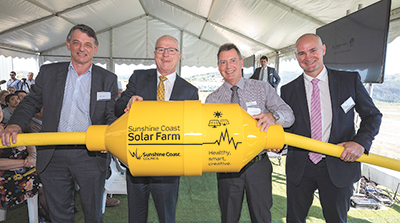
Last month Sunshine Coast Council in Queensland cut the ribbon on the first large-scale solar power plant built by an Australian local government.
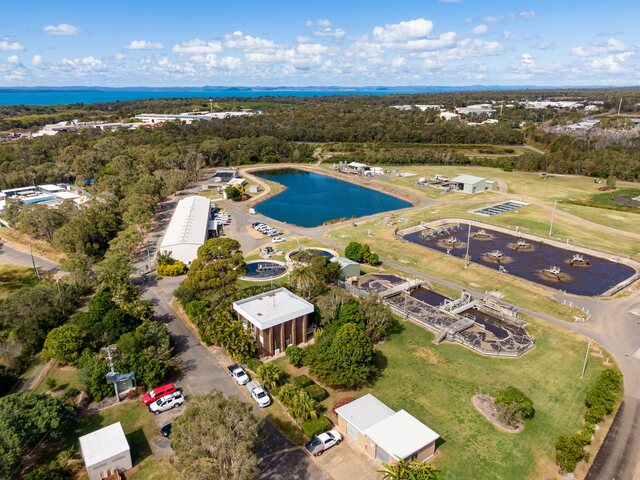
Located on an old sugar farm in Valdora in the municipality’s north, the 15MW farm will offset 100 per cent of the council’s energy usage and is estimated to deliver savings of $22 million over its 30-year lifespan.
The $50 million project was over four years in the making and, notably, it was delivered without State or Federal funding assistance.
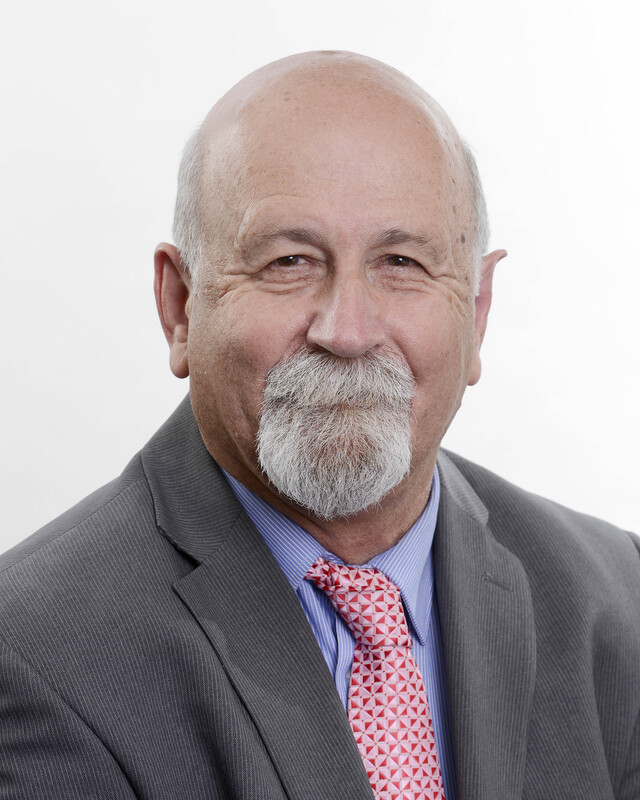
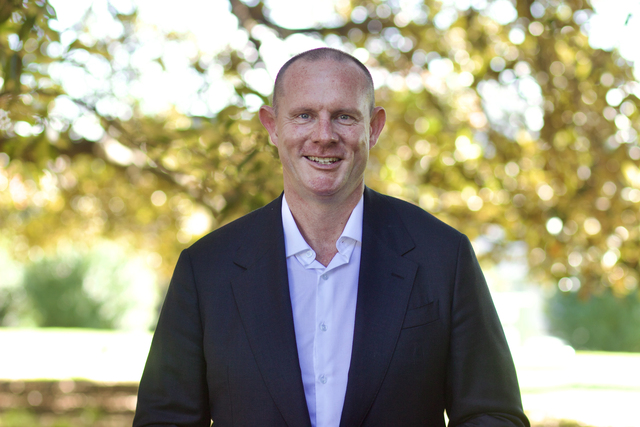
Mayor Mark Jamieson said the project has piqued the interest of other local governments: at least 15 councils around Australia have contacted Sunshine Coast seeking further information.
As a large council, Mayor Jamieson said Sunshine Coast is “lucky we are of significant scale that we can take on the challenges” of self-financing.
He said it is important local governments share knowledge on technology and financials to understand how renewable energy projects can be applied in different areas.
“When you are a pioneer you have to deal with more costs and challenges,” he said of the Sunshine Coast. “Other councils may be inspired by what we’ve done, but could utilise different technology.”
A report released by the Climate Council last month highlighted the climate-related work being done by local governments across the country.
Many capital cities were cited as leaders – Adelaide, Sydney, Melbourne, and the ACT – as were a number of smaller councils, including Alice Springs, Lismore, East Arnhem, and Yackandandah.
Professor Lesley Hughes from the Climate Council said it is heartening to see local governments moving ahead on climate action, despite Federal policy uncertainty.
“The thing that stood out as a theme in the report is that even when you’ve got a Federal Government who has been unable to put in place an effective climate policy for the last decade, we have the sub-national level – some of the states and many of the councils – that are just saying, ‘Well, we’re going to do it ourselves,’” Professor Hughes said.
Alongside the report, the Climate Council also launched the Cities Power Partnership (CPP), a benchmarking and knowledge-sharing network for local governments.
The plan is to encourage enthusiastic councils to talk to each other about climate work – even across regional or state boundaries. Local governments can work with the Climate Council to be matched with two other councils that they wish to learn from.
Professor Hughes said it was a trip up to Bundaberg and the enthusiasm shown in that region for climate action that planted the seed for the research.
“There’s lots of ambition to be 100 per cent renewable, to be carbon neutral, to help residents be more energy efficient in their homes,” she said of local government efforts.
“It seemed that we could facilitate that process, by connecting up and providing support for those local councils, and in doing so, encourage other local councils to get on this train.”
After signing on to the CPP, a local council pledges to take five actions – across areas of renewable energy, efficiency, transport and advocacy – and reports to the Climate Council every six months.
“We provide them with a portal with lots of tools to monitor energy use and water use; we help them buddy up with other councils,” said Professor Hughes of the program.
The Climate Council will also help local governments promote their projects in the national media.
At the time of the launch, 35 councils had signed up to the program.
Shoalhaven City Council on the south-eastern coast of New South Wales is interested in partnering with other councils in the area including Bega Valley, Eurobodalla and Kiama.
Shoalhaven Councillor Kaye Gartner said the neighbouring councils face similar challenges and would benefit from banding together.
“We’re all coastal communities; we are at sea level, if not below in some places; we are already impacted by increasing storm surges and our coastal infrastructure; our beaches are already impacted.
“We can support each other to get funding for big projects – like solar farms, street-lighting changes – we can move the cultures in each of our council administrations further and further into a clean, green future.”
Cr Gartner said conversations on climate were already happening between staff across councils – but they weren’t yet happening ‘in a cohesive way’ at a leadership level.
Mayor of Hawkesbury City Council Mary Lyons-Bucket said, although the buddy program hasn’t been formalised, she has been able to start networking with councils areas as diverse as Shoalhaven, Alice Springs and Fremantle.
The Mayor said Hawkesbury is looking forward to the chance ‘to tap into this knowledge and expertise that other councils have’.
“We live in quite a vulnerable geographic location. We are very prone to bushfire and flood; we have a lot of really big storms; we are nestled in a valley in the foothills of the Blue Mountains, so we have a lot of natural things that could be affected by climate change,” the Mayor said.
“The value is, when other people have already done things, they can tell you what works well, what pitfalls there may be; they can give you an idea of capacity. So essentially it saves us a lot of time – and potentially money – in finding all this out.”