Home » Funding, Productivity and performance at LGAQ conference

Funding, Productivity and performance at LGAQ conference

Funding and productivity have been the key themes of the Local Government Association of Queensland’s (LGAQ) annual conference.

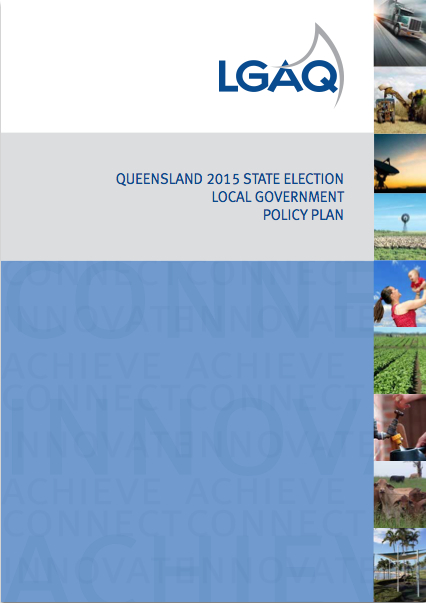
LGAQ has launched its 10 Point Policy Plan for the next election, and calls on the Government, Opposition and other parties to commit to proper funding programs for transport, water and flood mitigation infrastructure to better equip Queensland communities to meet economic challenges.

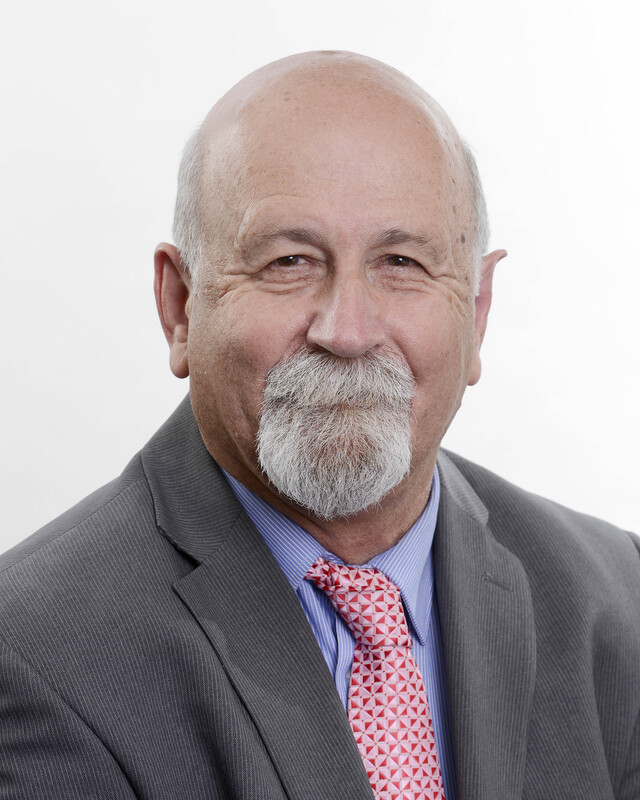
LGAQ President Margaret de Wit said Queensland communities needed hundreds of millions of dollars each year to ensure assets like roads, bridges and water treatment systems were able to support regional development and be more resilient in the face of disasters such as floods and cyclones.

“We need the Royalties for the Regions fund that we successfully fought for at the last election to remain a dedicated program with at least $200 million a year to invest in vital community infrastructure.”

“There should also be adequate and ongoing State funding for major investments in water treatment facilities, bridges, roads and other transport infrastructure so that the financial burden for building these vital assets to help the state’s growth is not transferred to future generations.”

Delegates also voted to support a return to the original intent of the Royalties for the Regions funding program, following recent changes to its structure by the Newman Government.

Changes to the funding criteria have made state government bodies eligible to access the funding pool.

Queensland Councils have also voted to reject the cuts to the Financial Assistance Grants.

The annual conference also saw the launch of a new productivity and performance project that will encourage Queensland councils to provide value for money and better connect with their communities by using a range of data to benchmark their performance against other councils.

The project, dubbed Better Councils Better Communities, is driven by the need for councils to improve their productivity in response to heavy cuts in funding and subsidies from the Federal and State governments as well as reductions in their ability to raise their own revenue.

President de Wit said Better Councils, Better Communities would help councils continue to deliver value to ratepayers and residents despite coming under increasing financial pressure.

“The combined effect of revenue limits and lower funding has cost the local government sector approximately $800 million a year – and this can’t be funded through more debt, rate rises or grants from external governments.

“As councils, we will need to manage this challenge through better productivity and financial performance as well as ensuring the community knows more about the essential work we do.”
Digital Editions


  • Stretching for a good cause

    Stretching for a good cause

    Ballarat residents stretched, smiled and snuggled their way through a unique Kitten Yoga event that combined relaxation with a heartwarming cause – helping kittens find…

More News

  • Kylie Davies beats strong field

    Kylie Davies beats strong field

    Flinders Shire Council is pleased to announce the appointment of Kylie Davies as its new Chief Executive Officer. Ms Davies will start in the role on 13 April following a…

  • Leaving on a high

    Leaving on a high

    Mount Alexander Shire Council’s Chief Executive Officer Darren Fuzzard will end his tenure at the council in July 2026, marking ten years of service to the organisation and community. Mr…

  • Safety first for transport corridor

    Safety first for transport corridor

    Traversing a major Townsville transit corridor spanning three suburbs will soon be safer for motorists, cyclists and pedestrians, with Townsville City Council commencing a $3.8 million upgrade of Hugh and…

  • Creating long-term employment pathways

    Creating long-term employment pathways

    The Shire of Carnarvon is creating long-term employment pathways and strengthening workforce capability through its participation in the Remote Jobs and Economic Development (RJED) Program, a national initiative designed to…

  • Cool summer plan for Campbelltown

    Cool summer plan for Campbelltown

    Extreme heat is the biggest killer of natural disasters in Australia, exceeding that for any other environmental disaster combined, including floods, storms, bushfires and cyclones. While high temperatures pose risks…

  • Bathurst has it’s scrap together

    Bathurst has it’s scrap together

    Bathurst Regional Council has successfully concluded its ‘Let’s Get Our Scrap Together’ campaign, launched on 1 September 2025 with funding from the NSW Government and delivered in collaboration with NetWaste…

  • Baw Baw acting CEO tenure extended

    Baw Baw acting CEO tenure extended

    Baw Baw Shire Council has extended the contract of Acting Chief Executive Officer Sally Jones until 30 June 2026. The matter was considered as a confidential item in the late…

  • Farewell to a much-loved bridge

    Farewell to a much-loved bridge

    Narrabri Shire Council hosted a special community farewell event in mid-January, Brekkie on the Bridge, ahead of the upcoming demolition of the Violet Street Bridge. The event brought together community…

  • Toolkit provides resources for staff to live values

    Toolkit provides resources for staff to live values

    Organisational values are at the core of every workday and task and Bundaberg Regional Council has developed a practical tool kit to support its workforce and promote its values. The…

  • New system for Blacktown

    New system for Blacktown

    Blacktown City Council has launched DAISY, a new digital planning assistant designed to help residents better understand planning requirements and prepare residential development applications. DAISY, which stands for Development Application…