Home » A strong sense of community in the wake of disaster

A strong sense of community in the wake of disaster

As the nation looks on in shock at the impacts of widespread flooding across Queensland and New South Wales, I’m also reflecting on my own recent experience with a natural disaster.

In April of last year, ex-tropical Cyclone Seroja tore through a 1,000 kilometre stretch of Western Australia’s mid-west region, devastating thousands of properties and impacting an area larger than Tasmania.

Although in the Mid-West and Gascoyne regions of Western Australia we consider ourselves to be fairly resilient, the sheer scale of this disaster has stretched the resources of Local Governments, and local communities continue to experience a range of emotional and physical challenges in their recovery efforts.

It is important to remember that after the event has passed, and even after the initial clean up phase is completed, a mammoth task stills remains in rebuilding homes and local facilities; and in reestablishing community connections.

The damage caused can still be seen throughout the district, with the delays in repairs being hampered by the lack of tradesman in this region and delays in insurance payouts. The Insurance Council of Australia estimates over 9,000 claims have been lodged for damage from the cyclone, with the current estimated loss value in the region being around $350 million.

In our experience post Seroja, one major issue has been families being displaced whilst their homes are repaired. At all levels of government, we have been working hard to prioritise support and make sure our residents can return to their homes and communities as soon as possible.

The State Government’s support throughout this recovery process has been vital for the region. Without this assistance, it would be beyond the capability of an individual Local Government to address the major infrastructure repairs and coordination of services and support that is needed.

The State’s Department of Fire and Emergency Services appointed State designated Recovery Coordinators, employed community recovery officers, and set up four recovery hubs in the towns of Kalbarri, Northampton, Geraldton and Morawa.

Perhaps though, in the very early recovery days our greatest resource was our volunteers. They worked tirelessly to ensure that everyone was safe, roads were clear and essentials were available. We are now working together, locally and within the region, to continue to support our local residents.

Across all of WA, but particularly in our regions so affected by our own recent experience, our hearts go out to the communities in NSW and QLD as they move out of the massive cleanup effort into the long and arduous task of rebuilding and reconnecting. I am confident that the existing strong sense of community in these towns will help them to provide each other with support that will only make them even stronger.
Digital Editions


More News

  • More rehabilitation works for Coffs

    More rehabilitation works for Coffs

    Scores of local flood-damaged roads will be improved after the City of Coffs Harbour determined to expand rehabilitation works. An initial program of stabilisation works had already been approved for…

  • First-class Pump Track opens in Ballina

    First-class Pump Track opens in Ballina

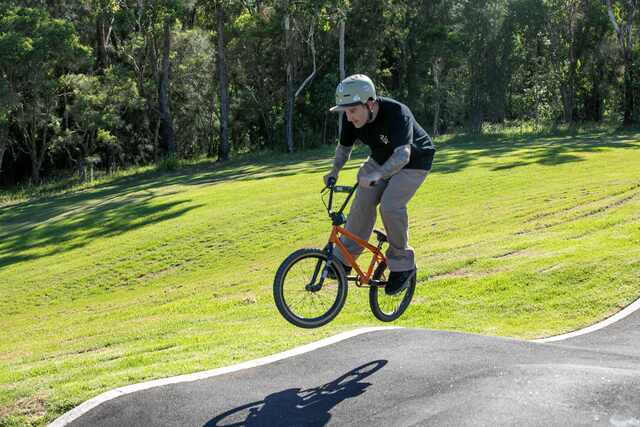
    Ballina Shire Council is thrilled to announce the completion of the new Ballina Pump Track at Kingsford Smith Reserve in the heart of Ballina. Designed to national competition standards, the…

  • Fraser Coast support announced

    Fraser Coast support announced

    Fraser Coast Regional Council has renewed and expanded its support for three key emergency services – the Royal Flying Doctor Service (RFDS), LifeFlight, and local Rural Fire Brigades. At their…

  • Council named among Australia’s most inclusive employers

    Council named among Australia’s most inclusive employers

    Lake Macquarie City Council has become one of only two local government organisations in Australia included in a benchmark list of inclusive employers. The Diversity Council of Australia (DCA) added…

  • New deputy in Griffith

    New deputy in Griffith

    Griffith City Council has elected Councillor Scott Groat as the new Deputy Mayor at the Ordinary Council Meeting held on Tuesday, 28 October 2025. Cr Groat will hold the position…

  • Planning for the future

    Planning for the future

    Cowes Primary School students brought plenty of energy and curiosity to Berninneit Cultural Centre in mid-October for a special Meet the Mayor visit as part of their Community Walk. Organised…

  • Wollongong named as host city

    Wollongong named as host city

    Wollongong has been announced as the host city for the 2026 Local Government NSW (LGNSW) Annual Conference, following a warm invitation from the Lord Mayor of Wollongong Councillor Tania Brown…

  • Grant secured for Northwood Street Road Safety Masterplan

    Grant secured for Northwood Street Road Safety Masterplan

    The Town of Cambridge, in partnership with the Flower District Town Team, has been awarded a 2025 Streets Alive Stream Two Grant to develop the Northwood Street Road Safety Masterplan.…

  • WSROC President re-elected, Board appointed

    WSROC President re-elected, Board appointed

    Councillor Brad Bunting has been re-elected as President of the Western Sydney Regional Organisation of Councils (WSROC) at its Annual General Meeting held at Blue Mountains City Council Chambers on…

  • Council seeks new voices for Advisory Committees

    Council seeks new voices for Advisory Committees

    Georges River Council is seeking new members for the Multicultural Advisory Committee and the Access and Inclusion Advisory Committee. They are part of Council’s ongoing commitment to diversity, inclusion and…