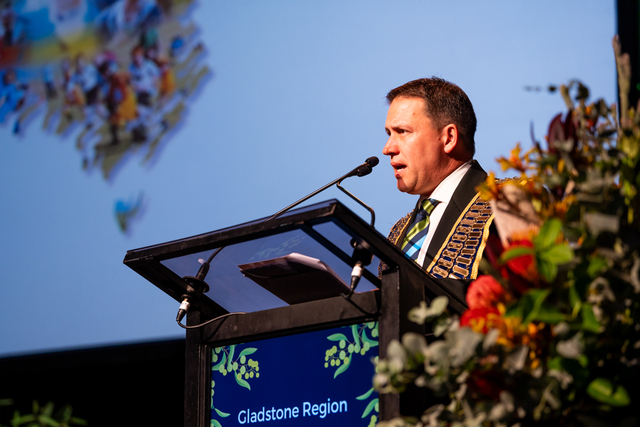
In each edition we feature the views of a Local Government Association President. The following is from Councillor Dr Sara Murray, President of the Local Government Association of New South Wales.
The Local Government Association of NSW has a busy year ahead, with Local Government elections coming up for most Councils in March, the State Government’s structural reform agenda in full swing and a swag of planning reviews to contend with. Indeed, there have been ten major planning reviews announced in recent months. Right now, the two of most concern to the Association are the report by the Local Development Task Force (Bird Report) and the review of Section 94 of the Environmental Planning and Assessment Act.
The Bird Report included a number of very worrying recommendations, including the standardisation of definitions and provisions in local plans, and mandating complying development. If these recommendations are adopted we will have a system where the neighbour notification process is all but decimated and where ill-conceived, homogeneous development will flourish.
At the same time, we are concerned that the Section 94 Taskforce could tie the developer contributions scheme to housing affordability or, worse still, introduce a new developer agreements scheme which would be open to manipulation by the State Government. These reviews are part of a wider program of what the Government calls planning reform. I am dubious about whether the system is in fact being reformed or ruined.
The Local Government Association has serious concerns that the Government’s planning reform agenda does not recognise the lead role of Local Government in the local planning system, and does not take account of the role elected members play. We support a planning system which delivers a built environment that matches community needs and expectations.
The underlying theme of local planning systems is that they are there to implement the wishes of the local community. Limiting the role of Councillors in the planning process flies in the face of that concept.
There is a concerted push from the developer lobby to take planning powers away from Councils, and the State Government seems to be playing right into their hands. What developers want – and what we fear the State Government will deliver them – is a system where development is rubber stamped with no community or Council input, and where developers can buy their way around planning controls.
It is disturbing to see the government paying so much heed to developers. The argument they use is that Councils supposedly have inefficient planning processes.
Frankly, I think the Government is on totally the wrong track with this criticism. Our own research has shown that Councils are, in fact, handling planning matters quite efficiently. Two-thirds of all development applications are processed within the relevant timeframes, and where delays do occur there are good reasons. For instance, almost half of all applications either lack information or do not comply with local planning regulations.
In some other cases, the process is slowed down simply because Councils are taking the time to get it right, by undertaking extensive community consultation and careful consideration of complex proposals.
In the whole planning review process, no one seems to be asking “who are we planning for?”, “What are LEPs, DCPs and the whole system for?” I would argue that they are there not for the sake of developers, but for the communities who live, work and play in our areas. A good planning system will always involve the community and will always involve their elected representatives. That takes time, but is both efficient and proper.
The Local Government Association will oppose any recommendation to erode community input or Council involvement in planning matters. We won’t allow the interests of our communities to be steamrollered by the interests of developers.