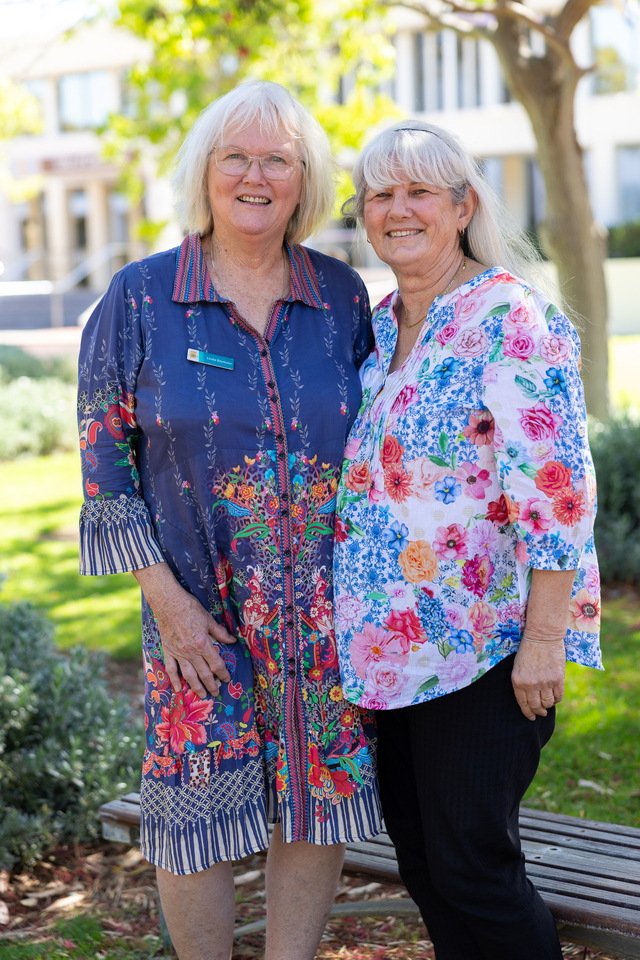
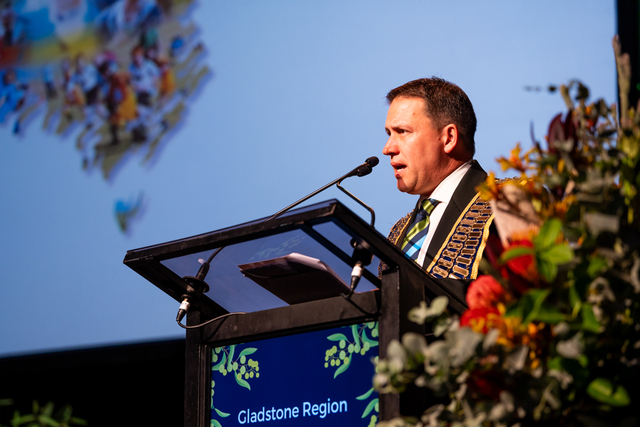
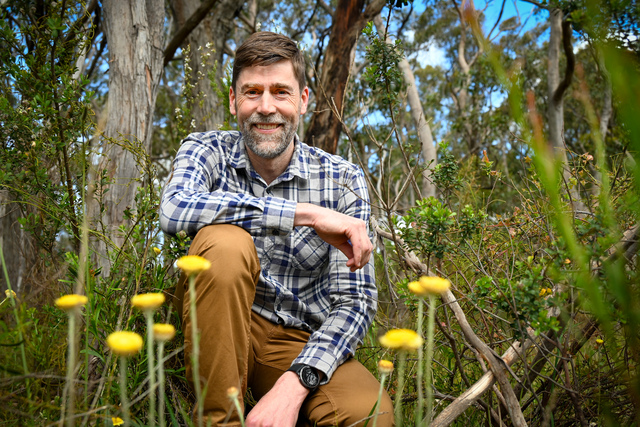
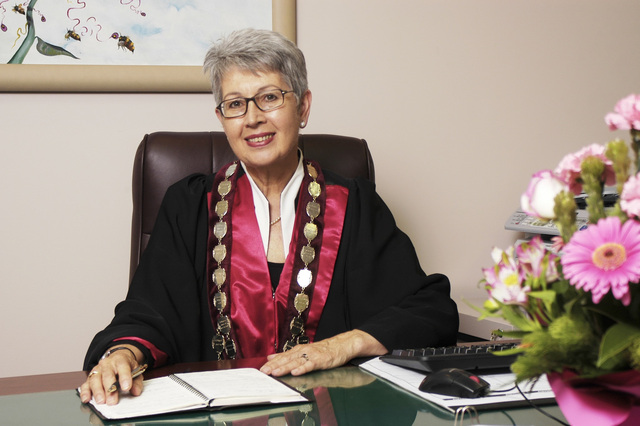
A regular feature this month featuring two Councillors from Victoria.
Councillor Beth Davidson, Surf Coast Shire Council, Victoria
Q. How long have you been on Council?
This is my eighth year, having just been elected for the third time. I was Mayor for four years from 2000 to 2004.
Q. Can you tell us about your municipality?
Surf Coast Shire contains one of Australia’s major icons – the Great Ocean Road. We have beautiful beaches, spectacular coastline, the diverse Otways Ranges and fertile rural areas. This makes us both a lifestyle and tourist destination. We have a relatively small rate base with a permanent population of only 22,000 who host about eight million visitors each year. Surf Coast continues to be one of the fastest growing non urban municipalities in Victoria, with most of the growth being centred in Torquay – the home of surfing in Australia.
Q. What are some of the challenges you’ve faced in Local Government?
Leading a very diverse Council through a period of great unrest and significant change involving a Commission of Inquiry was certainly challenging. However, one learns much about your community, about relationships, about good and open processes and about democratic governance. This can be used to move forward – building a strong and focused Local Government working towards meeting community aspirations.
Q. What are important issues to you?
At the local level working with the community to balance the quality of life with caring for our precious and sensitive environment is very important to me. This means encouraging greater community engagement so that those who are affected by a decision can participate in that decision. The issues of removing barriers to participation in Council activities is also important at a broader level; for example, the barriers that deny many people the opportunity to stand for election.
It has been shown that many skilled people, including women, youth, marginalised groups and even business people are denied the opportunity to stand for Local Government due to poor remuneration levels. There is an urgent need to establish a set of principles – similar to those set for State and Federal Governments – based around the value of work and contribution to society so that this sphere of government can be remunerated at an adequate level which means that it is open to all peoples.
Q. What are some of the issues facing your Council area?
The growth we are continuing to experience may be the envy of many regions, but is also our greatest challenge. This seachange growth means greater community expectations as urban dwellers bring their city experiences with them, it means less community connection as the part time residents come here to relax and switch off and it also means higher property prices reflecting metro earnings and mortgage capability. Ten years ago, government forecasts predicted this area as a coastal retreat for early retirees. However, this has not been the reality and we see people of all ages choosing to locate here. This is driving a new need that is not easily met from a modest rate base – more recreation reserves, kindergartens, footpaths and a secondary school. At the same time there is an expectation that we will provide tourism infrastructure far beyond the needs of the resident population, such as public toilets and car parks for nearly eight million visitors, visitor information centres and event support. It is a real paradox that housing and population growth are regarded as development, when in reality these are shaped by different factors than what shapes the creation of jobs and in fact may not be sustainable.
Q. What are the key aspects of being a good Councillor?
Relationships – with community, with fellow councillors and officers, and with other spheres of government. Good democratic governance has at its heart an understanding and commitment to building and maintaining good relationships, not based on personalities but on issues and on roles. Also – never being afraid to ask the hard or dumb questions – it’s easier than facing up to dumb mistakes!!!! …The most important aspect – goodwill and a sense of humour.
Councillor Joseph Cutri, Maribyrnong City Council, Victoria
Q. How long have you been on Council?
Since 1997, this is my third term and my ninth year as a Councillor with the City of Maribyrnong.
Q. Can you tell us about your municipality?
The City of Maribyrnong was created on 15 December 1994 when the former City of Footscray was merged with part of the City of Sunshine. The City of Maribyrnong is only just over 30 square kilometres in area and has a population of over 60,000, making it the smallest and most densely populated municipality in the region. This central location provides easy access to all the benefits of Victoria’s capital city, such as the ports, the best road network in Australia and an extensive public transport system.
Q. What are some of the challenges you’ve faced in Local Government?
Being on the Council of the one of the most culturally diverse and socio economically disadvantaged municipalities in the State always provides a challenge in terms of juggling limited resources and competing needs.
Q. What are important issues to you?
I am committed to standing up and battling for the people of the West by lobbying to improve existing services, as well as getting new or extra services where needed. I am also very conscious of the need to continue to balance the needs of new residents with the needs of others who have been in this City for many years, some of whom are among the most disadvantaged in Victoria. And of course I always strive to ensure Braybrook residents – my constituents – receive a fair share of services, programs and infrastructure.
Q. What are some of the issues facing your Council?
The key issues facing Maribyrnong include:
- The impact the expansion of the Port and Melbourne will have on this municipality with key transport elements include roads, trucks, freight movement, rail links and other associated issues.
- The building of the new aquatic centre and the consequent closure of the Footscray pool.
- Planning for an increased residential population of another 15,000 people within the next five years. This includes projects such as the revitalisation of the Footscray CBD, Footscray being earmarked as a future Transit City and plans for a number of multilevel high rise buildings to create a ‘Footscray Skyline’.
- Implementing meaningful initiatives to improve life for the many disadvantaged residents in the City, including community building and strengthening programs.
Q. What are the key aspects of being a good Councillor?
You need to be honest and trustworthy. Never be afraid to talk to your constituents and tackle the hard stuff. You also need to be active in the community and let people see you care passionately about the area you represent.