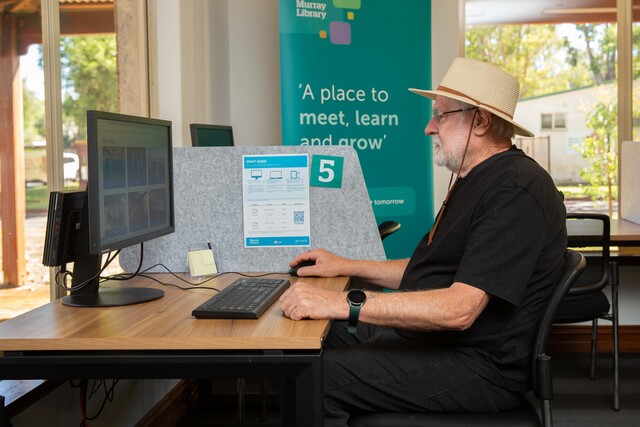
As shoppers and consumers we increasingly serve ourselves. We get what we want and then go to a central paying point. We have become part of the value chain process.
Societal culture and expectations have changed for the acquisition of a wide range of products and services. And in this evolution, retailers have invested massively in promotion and understanding the customer.
The power to influence consumers has enabled retailers to create an economically advantageous volume of demand for largely standardised products.
Retailers have been able to get the benefits of lower unit costs through volume procurement. They have been able to use their procurement power to develop a value chain system focused on delivering low consumer price points, relationship management with suppliers, and logistics to ensure that the right goods are on the shelves when consumers want to buy them.
Consumers know that if they go into a particular national store, they will get the same products and customer service everywhere, with the same or very similar prices.
Local managers are allowed little discretion, as their role is to deliver the formatted and proscribed company value offer to local consumers.
Online there is choice from a set menu.
The private sector provides self service with standardisation.
Contrast this with the public sector and councils in particular.
In the UK, the Coalition Government, through its Big Society initiative, wants local people to get involved in self service as individuals and communities, so that they are part of the value chain for the supply of services.
Through its ‘Localism’ initiative, it wants local people and communities to decide the specification of services they get to reflect local needs.
It wants councils to facilitate self service with local differentiation.
Self service with local differentiation is different to self service with the standardised offer seen in the private sector.
If self service is to reduce council costs, it needs a critical mass of consumers willing and able to self serve.
Self service is growing, but will take time and political will to achieve the volumes required.
Local differentiation (localism) equates to higher costs unless a significant volume of demand for that differentiation can be aggregated.
Any such aggregation would need to be achieved across many councils and would, if unit costs are to be driven down, require an organisational/sector cultural and value chain change.
This sort of change takes real political and managerial leadership, investment and a long time to achieve.
In the next two years, UK Local Governments are faced with delivering the largest cuts in expenditure in living memory. Given these financial pressures, councils are faced with choices about which services to continue to provide and how they can strip cost out of those services they will continue to provide/fund.
Pragmatism will drive councils towards a low cost increasingly standardised service involving the consumer/community as much as possible in its delivery – Big Society self service will get bigger.
The danger is that due to the severity of the financial constraints, the ability of councils to fund others or to deliver consumer choice themselves (localism) will get smaller.
*Malcolm Morley is Chief Executive of Harlow District Council and can be contacted via the Editor, email info@lgfocus.com.au The views expressed in
this article are not necessarily those of
his employer.