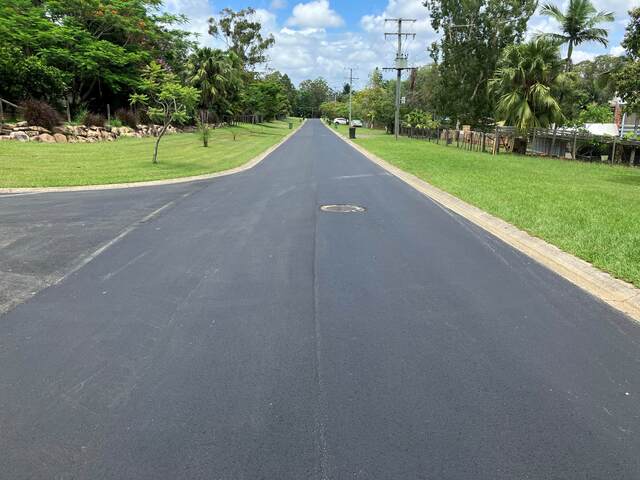
The Interface Councils are eight councils surrounding metropolitan Melbourne that define themselves as 30 percent urban / 70 percent rural, forming the interface between regional Victoria and metropolitan Melbourne. The Interface Councils are: Cardinia Shire Council, City of Casey, City of Whittlesea, Hume City Council, Melton Shire Council, Mornington Peninsula Shire Council, Nillumbik Shire Council, Shire of Yarra Ranges and Wyndham City Council.
For many years the Interface Councils have argued that they face specific challenges as a result of their geographic marginality and demographic diversity, many of which have been noted by successive state and commonwealth governments but few acted upon in any meaningful way. The distance from Melbourne’s CBD and a lack of vital local and connecting infrastructure continue to crop up as key elements in the interface’s concerns regarding the communities they represent.
A recent report by The University of Melbourne has found that an increasing number of students from outer urban areas are deferring tertiary education due to the high cost of living in and/or travel to inner urban universities. The researchers surveyed regional and metropolitan students to find out how many had deferred university courses and why, finding that in 2004 about 10 percent of regional students deferred, but by 2011 the number had risen to almost 16 percent.
The Interface Councils have responded to this study by arguing that more tertiary facilities should be located in the Interface, where there are a high number of young people and housing and travel is less of a financial burden.
Mayor of the City of Whittlesea, Councilor Stevan Kozmevski, points to Bundoora as a successful example, with RMIT and La Trobe University both offering a campus on the urban edge: “Locating high quality education facilities in the Interface region of Melbourne greatly improves accessibility for students who live in surrounding areas. It means they can continue living at home or can find more affordable housing alternatives which relieves some stress and cost of living pressures.”
While travel to the inner suburbs has become prohibitive in terms of cost, travel time is another disincentive for students from outlying regions. Mayor Kozmevski says that “For many young people living in the Interface of Melbourne, the ability to travel to Melbourne University or RMIT’s CBD campus can often exceed two to three hours a day. Students who wish to move closer may find it difficult to find affordable accommodation.”
The response by the Interface Councils makes perfect sense in light of some significant facts: they are home to almost a quarter of Melbourne’s population and the annual growth rate in some regions is more than eight percent, with much of this growth represented by young families. All this implies an increasing demand for tertiary facilities in Melbourne’s interface, not only for the young people living in these areas but also for the state’s country students, many of whom never go on to tertiary education due to lack of affordability.