Late last month, the Abbott Government announced $10.7 million for mental health initiatives for the Bush, as part of the Drought Relief package. This is much welcomed, given the farm suicide statistics coming through.
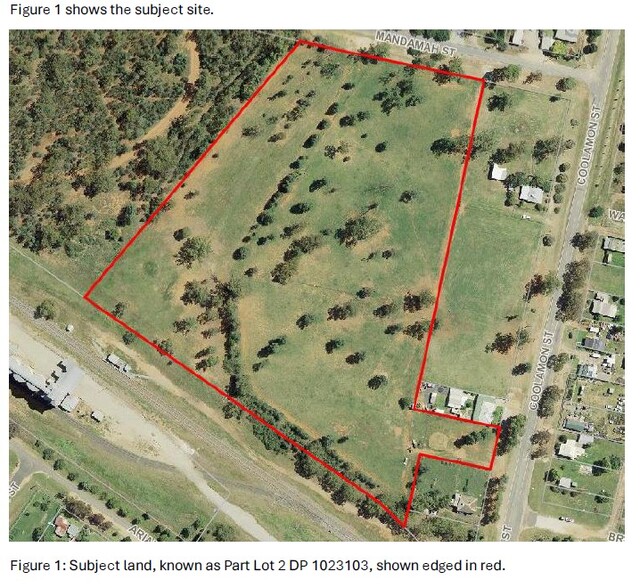
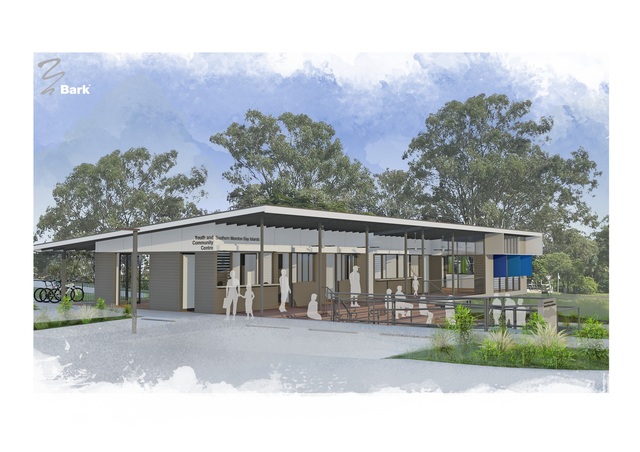
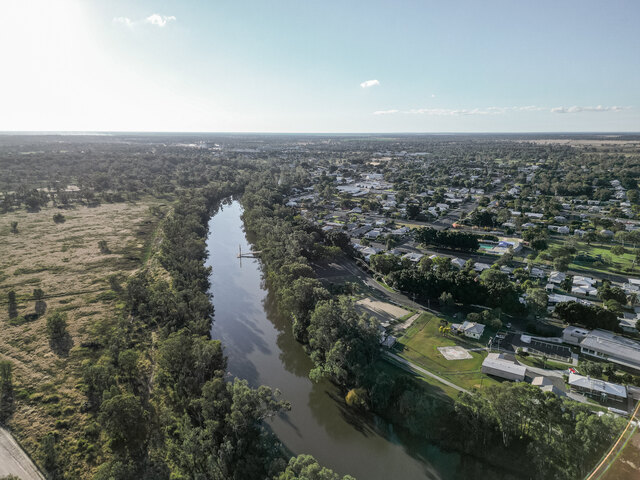
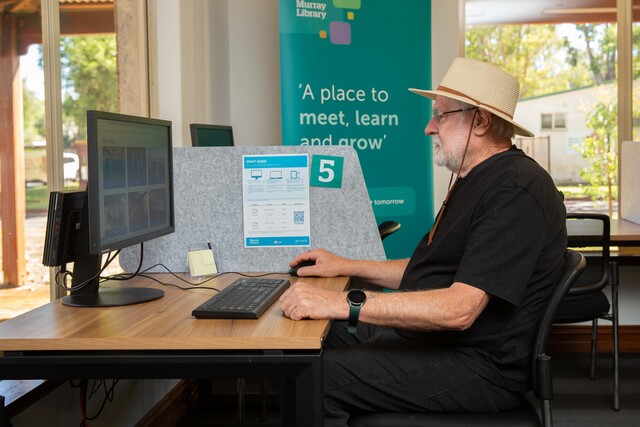
It was particularly timely too because I’d been in Moulamein (south west NSW) the previous week for a workshop for the proposed Moulamein Hub – involving the co-location of the ageing health centre, with a business centre (with Bendigo Bank) and civic meeting rooms, library etc. The aim is to energise the town (pop. 500) and improve service delivery across the three fields. Sadly, one of the town’s leading lights had succumbed to depression a few weeks before the workshop.
It transpires that mental health counselling services right across the Murray and Riverina regions are carrying very lengthy waiting lists. Similarly, the Barossa farmers and grape growers are still struggling with the effects of the drought years, and more recently the extreme heat and bucketing rains. This has had major financial and health implications for many farmers.
Now the anecdotal evidence coming in is that farmers or citizens generally with mental health problems don’t want to admit to it, let alone make formal appointments. And faced with lengthy queues, they could be putting treatment to one side.
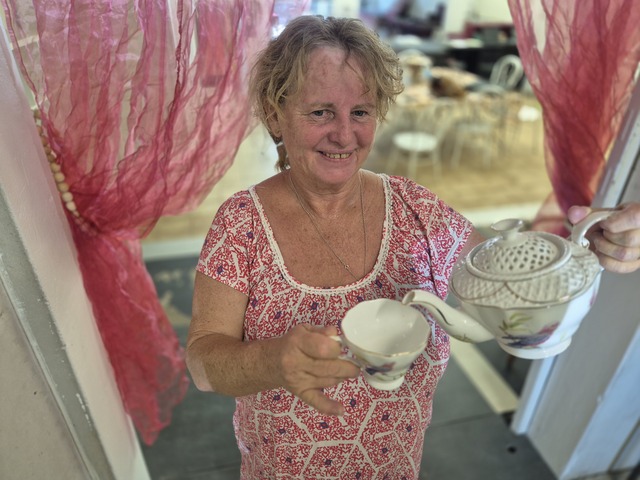
This issue came up at the Moulamein workshop, and it was suggested that a ‘farmgate’ approach would be smarter. It involves a counsellor driving out for a cup of tea and a chat with a farmer or businessperson – the topics ranging from the weather, cattle prices, the latest technology, good contacts at banks or financial advisory groups, and other advice and encouragement.
This type of work used to be performed by extension officers employed by the state agricultural departments. But these jobs disappeared a decade or so ago as part of budgetary cutbacks. This came at a bad time because social interaction opportunities were already drying up due to the decline of saleyards, footy comps and pub sessions. Men’s Sheds have since been a good response, but they may not be fitting the circumstances of folk some distance out of town.
The upshot is that we have begun lobbying the federal government to consider funding 5–6 ‘farmgate’ mentors on a pilot basis where a case can be made. We figure that these regions shouldn’t have to be ‘drought designated’ because the black dog is no respecter of lines on maps.
And states and local government should be kicking the tin here in collaboration with the feds. If you agree, please contact us.
Green Army ($300m)
This program starts in July and runs for 4 years. It was a pre-election promise of ‘up to $300 million’. The Commission of Audit process will result in some trimming.
The aim is ‘to build to a standing environmental workforce of 15,000 young Australians per annum to provide real and practical solutions to cleaning up riverbanks and creek beds, revegetating sand dunes, mangrove habitats and other environmental and/or heritage conservation projects.’
The youths will be paid $10–16 per hour for 30 hours/week. Bit miserly, and we’re tossing ideas around about how others might contribute.
Requests for tenders will be sought from service providers very soon. We are speaking to a couple of these about an alliance to inject some best practice elements e.g. career development, peer leadership, private sector sponsorship. There are also synergies with the Caring for Country and Biodiversity programs etc.
Small towns hidden from our youth and tourists
Have you noticed that most people under the age of 40 hardly ever read an old-fashioned map? They’re addicted to GPS programs to find their way around the world, like rats in a maze, failing to understand the bigger picture. Interstate and international tourists also stick to programs like Google Maps to save buying a hard copy.
But the rise of mapping software has a downside. It is being highlighted regularly in regional NSW where travelers are heading to major highways instead of the traditional routes. The reason seems to be that directional maps are usually organised around central nodes rather than specific GPS points. For example, from Devonport to Scottsdale, Tomtom takes you through the middle of Launceston rather than via the by-pass. Similarly, from NSW to Port Augusta, Tomtom takes you through Adelaide rather than Renmark etc.
What this means is that many towns are missing out on crucial tourist traffic because GPS programs are steering tourists away!
Given the significant public interest involved here, we’ve contacted Austrade (which now looks after tourism), the Department of Communications and the Department of Regional Development to see if their technical experts could investigate the matter.
Austrade has ducked it, but Communications shows intellectual interest. If you’re tourist numbers are down, you might dwell on the above.
Program update
Canberra is agog with the latest thoughts of Joe Hockey, the de facto Industry Minister. By the time you read this, the interim report of the Commission of Audit should be in his hands, but he may not release it to the public. Most departments are in intellectual lock-down. The Victorian Government is getting credit for its leadership on the industry and regional development front.
Rod Brown is a Canberra-based consultant and lobbyist specialising in industry/regional development, investment attraction and clusters, and accessing federal grants. He also runs the Cockatoo Network.
Phone: (02) 6231 7261 or 0412 922 559
Email: apdcockatoo@iprimus.com.au
Blog: www.investmentinnovation.wordpress.com (750 articles)