Reduce, reuse, recycle – the three Rs of waste management – are at the heart of the City of Nedlands waste management plan.
The City of Nedlands, in Perth’s leafy western suburbs, was one of the pioneers of the three-bin system in Perth.
Western Australia’s Waste Authority is now promoting the system across the Perth metropolitan area.
The system has saved the City millions of dollars in disposal costs, and has diverted many thousands of tonnes from landfill since its implementation in 2006.
The WA state government’s increasing landfill levy, which is designed to encourage councils to minimise the amount they send to landfill, has also been offset by the rising levels of diversion.
Before the three-bin system was implemented, Nedlands sent approximately 10,900 tonnes of waste to landfill per year.
Now, the City generates 11,800 tonnes of waste annually, of which 2,375 tonnes is recycled and 3,145 of greenwaste is diverted to composting.
This represents a 47 percent diversion rate from landfill.
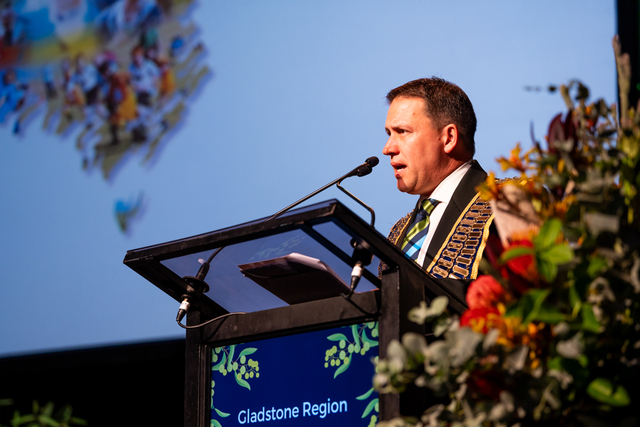
City of Nedlands Mayor Max Hipkins said, “This process has been very successful for the City and our system is the model of collection for the wider Perth metropolitan area”.
“Our process is held up as an exemplar of achieving the highest recycling and waste diversion rates at the lowest cost.”
The City has also installed new recycling stations at Swanbourne Beach and plans to roll out similar stations in other public areas, such as the foreshore of the Swan River, in 2016/17.
The three-bin system and the public recycling stations support resource recovery at source.
Having maximised what can be recycled at the source, the focus is now on finding innovative and appropriate ways to further improve on the diversion rate.
Recent initiatives include recovering mattresses, e-waste and metals at the twice-yearly bulk rubbish collections.
The City is now investigating options to further increase the percentage of waste diverted from landfill by improving the recovery levels from bulk rubbish collections.
These options must be effective and cost efficient – Nedlands’ waste charges are some of the most competitive in the Perth metropolitan area, an advantage the council wants to maintain.
“Having established ourselves as a leader in waste recovery, we’re now looking at further options to maximise recovery,” said the Mayor.
“We’re also looking to continually educate our residents about separating their waste.
“In the beginning, people were very diligent but recently rates have dropped slightly.
“Education about the importance of getting it right is vital.”
The City also encourages composting and worm farming.
‘Worm cafés’ and compost bins and buckets are offered to residents at subsidised prices.
There is even a worm farm at the administration building, food scraps from staff lunches go directly to feeding the ‘pets’.
The worm juice is then used to fertilise herbs, tomatoes and chillies planted in the courtyard.
Recycling stations at the administration centre and libraries allow residents to safely and easily dispose of common household hazardous waste, such as used mobile phones, compact fluorescent light globes and tubes and household dry cell batteries, which cannot be disposed of in their waste bins.
All these measures aim to fulfil the City’s commitment to achieving a 65 percent waste reduction target by 2020, a target set by the WA State Government’s Waste Authority.
The City continues to work closely with residents to reduce household waste going to landfill and maintains its sustainability message – reduce the amount of resources you consume, reuse the ones you have, and recycle the ones you cannot use.
Western Australia has the highest rate of waste generation in Australia.
In the greater Perth region, waste generation is expected to increase from around five million tonnes in 2012-13 to about six million tonnes in 2020.