Richmond Valley Council has welcomed the release of the NSW Flood Inquiry response, which highlights many of the concerns raised by council in its submission to the independent expert inquiry.
The inquiry’s report addressed 11 of council’s 12 concerns, outlined in its May submission.
Council’s general manager Vaughan Macdonald said housing needs were key issues for Richmond Valley residents.
Mr Macdonald said the two flood events at the start of the year highlighted the need for a buy-back scheme and a voluntary house raising scheme, with many houses experiencing over floor flooding for the very first time.
He said extensive riverbank erosion had also left many property owners vulnerable to future weather events.
He said residents needed certainty back in their lives.
“We requested the NSW Government to assume full responsibility and funding for comprehensive buy-back and voluntary house raising schemes in liaison with council, with potential solutions identified through the Flood Property Assessment Program,” Mr Macdonald said.
Mr Macdonald said temporary housing and Back Home grants also warranted reviews.
He said the NSW Government was doing a lot of good work to help the rebuilding process, but more needed to be done – and quickly.
“Council asked the NSW Government to consider a permanent State Corporation model to address emergency housing needs following disasters, and we asked for an urgent review of processing times and criteria for Back Home assistance to help expedite families’ return to their homes,” he said.
Mr Macdonald said council’s call for better management around housing tied in neatly with its proposal for better land use planning, which must be done in consultation with council and our community.
He said it was imperative local knowledge was used to determine appropriate flood risk planning controls, such as improving the consistency of flood modelling and risk management planning, improving the information provided to prospective home buyers on property risks and constraints, improving the resilience of house design and construction materials, and improving warning and evacuation systems to ensure residents are removed from high-risk areas in advance of flood events.
“While council acknowledges that nothing could have prevented this event, it is clear local councils and their communities are not equipped to deal with large scale disasters on their own – and neither should they be expected to do so,” Mr Macdonald said.
“Council is confident the Inquiry’s recommendations will go a long way to make sure we are in a better position to support our community the next time natural disaster strikes.”
Other council recommendations included:
• Business and Primary Producer assistance.
• Evacuation centres.
• Government support.
• Improving telecommunications services.
• Improving warning systems.
• Infrastructure restoration.
• Reviewing Pacific Motorway impacts.
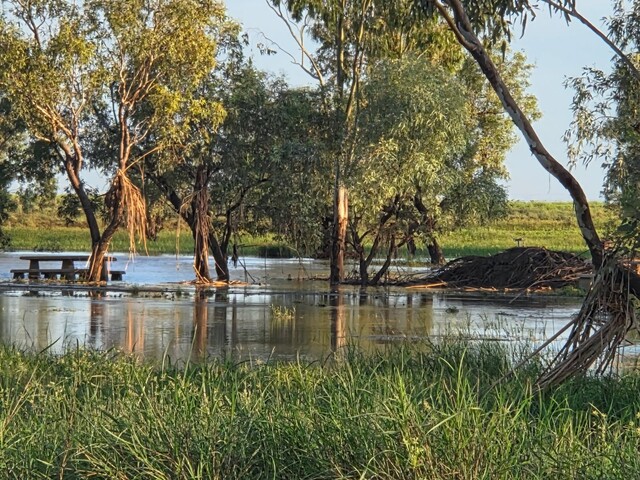
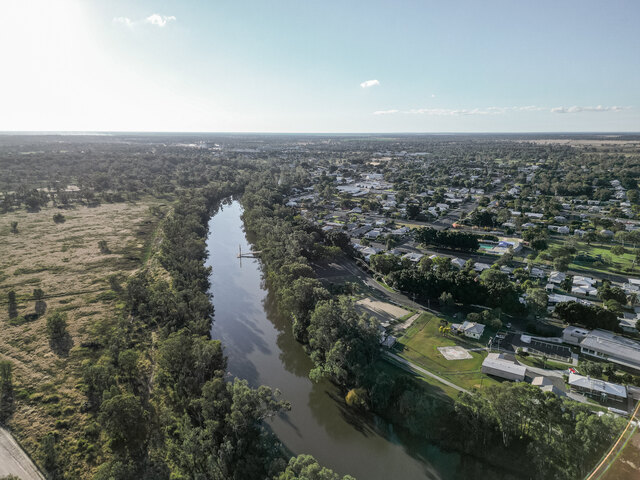
Mayor Robert Mustow said the February and March floods changed the face of the Northern Rivers and the Richmond Valley.
Cr Mustow said the Inquiry’s findings and recommendations were important to the future of our region, and for those residents who experienced the deep distress, despair and anger brought on by these events.
He said people needed answers, and he was pleased the Inquiry took on board many of Council’s recommendations to rebuild from this latest challenge.
He said of critical importance was council’s call for the development of a new consolidated model for emergency services, which combined the key response agencies SES and RFS under one administration.
He said disasters of this magnitude must be addressed through a state-wide and, in some cases, national response that was sufficiently nimble to deliver resources and make decisions when and where they were needed, without delay.
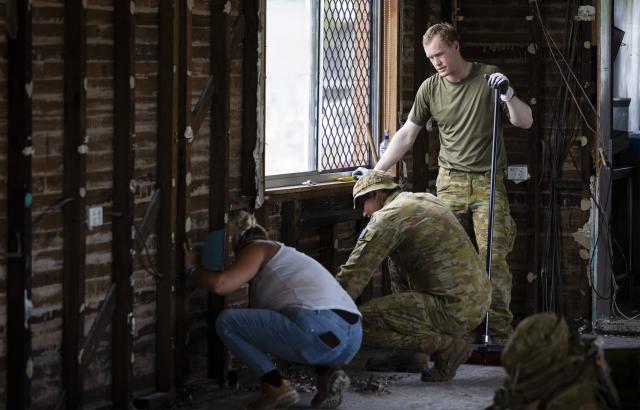
“We must reduce the heavy reliance on volunteers to be our front line responders, and consider options for paid first-responder personnel, as well as provide opportunities for ongoing support from the Australian Defence Force,” Cr Mustow said.
“Our climate is changing, and the way we prepare for, respond to and recover from future disasters of this scale must also change.
“Local government cannot do this alone. Volunteer organisations cannot do this alone. We need strong, decisive and coordinated leadership from all levels of government.”