Home » Editorial

Editorial

At the Australian Customer Service Awards in 1998, the then Chief Executive of Qantas, James Strong, commented to FOCUS how well Local Government had done with six of the 18 finalists being Councils. It was Wollongong City Council that took out the coveted Qantas Special Award for Outstanding Customer Service, with both Brisbane and Melbourne City Councils receiving High Commendations.

When it was pointed out by FOCUS ‘that if Local Government couldn’t win customer service awards then who could?’ James Strong concurred. He agreed that, as the sphere of government closest to the coalface in meeting the day to day needs of residents, customer service is paramount to Councils.

Most Councils have put extensive time and effort into improving customer service and introducing new technology to increase avenues and speed up response times when residents and ratepayers need to interact with Council.

Dedicated customer service staff are now clearing a large proportion of queries at this first point of contact.

Long gone is the outmoded bureaucratic ethos where residents and ratepayers were often seen as a nuisance.

In a metamorphic turnaround over the past decade, Councils readily adopted a number of new management approaches. This included a stronger emphasis on customer service, an approach firmly entrenched in private sector operations.

Like their private sector counterparts, Councils strode enthusiastically down the road towards greater efficiency and effectiveness. Best practice via quality service at the best price became second nature.

However, at the same time, Councils are very aware that they differ in a number of respects to the private sector. This includes less emphasis on the profit motive; that residents are actually constituents rather than customers; and Local Government is largely a monopoly with people having little option to ‘shop’ elsewhere, unless of course they move house!

It is interesting that recent studies are indicating that many of the large private sector operators, namely banks, insurers, telecommunications, large retail operators and so forth, have moved so zealously down the path of downsizing and greater efficiencies through new technologies, that they have lost sight of their primary focus – their customers.

With people information rich and time poor, they do not want to wait on a phone queue or be selecting menu options that pass them from one set of instructions to another or message bank to message bank, they simply want someone to answer their query. In banks and retail stores, they just want someone to serve them and to avoid long queues.

The private sector may have cut costs by reducing staff numbers but it seems they are now losing out in respect to their customer relations. Councils should take heed of this and keep on ensuring their emphasis stays firmly on what they do best – delivering quality customer service.


Digital Editions


  • Major repairs for levee

    Major repairs for levee

    Goondiwindi Regional Council has endorsed its largest-ever capital works project to repair and reinforce critical sections of the Goondiwindi levee, following significant erosion after recent…

More News

  • Acknowledging women’s role in councils

    Acknowledging women’s role in councils

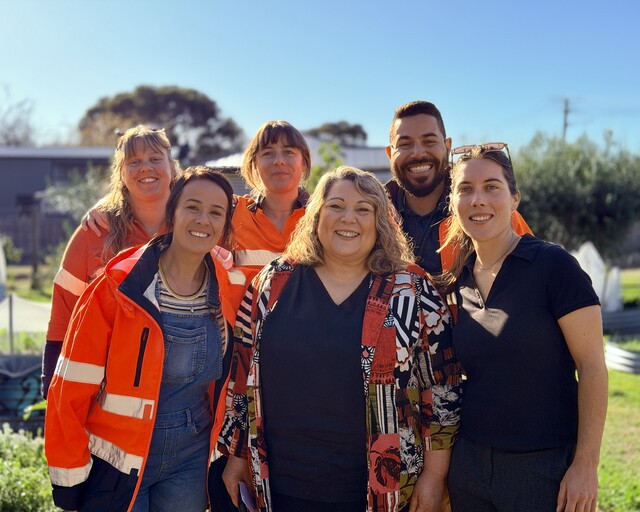
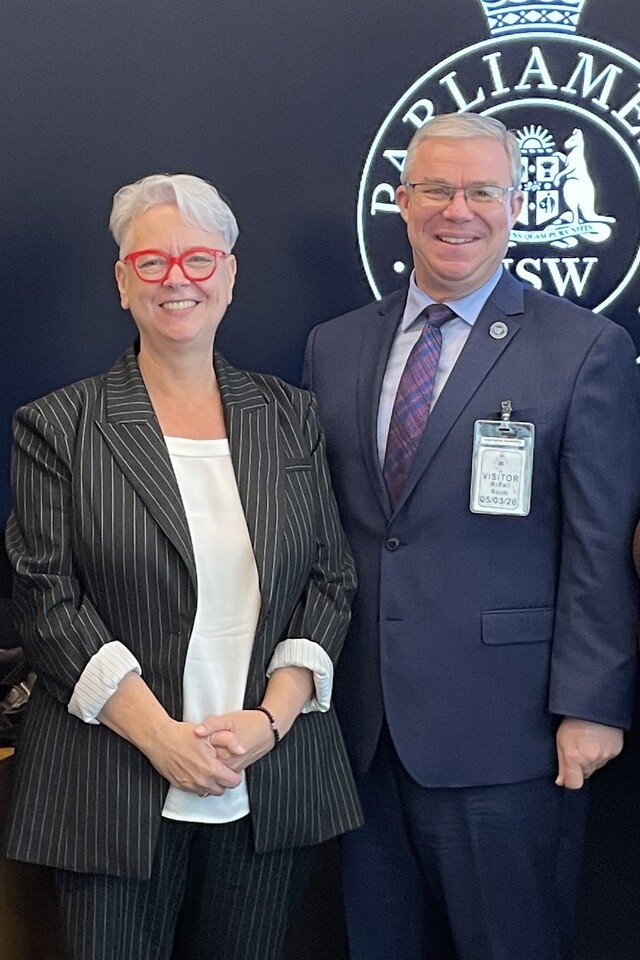
    Council representatives from across the state gathered in Sydney today for Local Government NSW’s (LGNSW) International Women’s Day event. Mayor Darcy Byrne, President of LGNSW, said the event was an…

  • Kylie Davies beats strong field

    Kylie Davies beats strong field

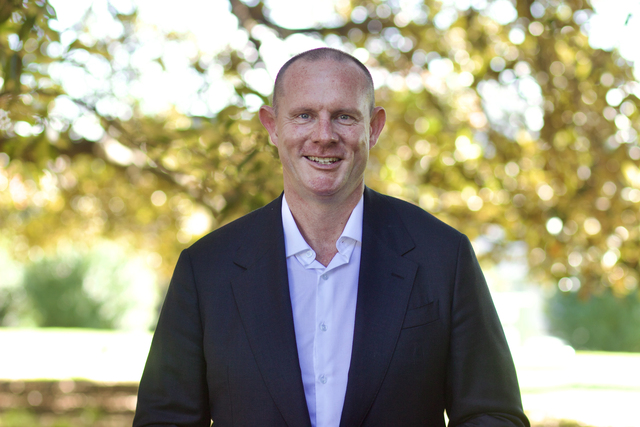
    Flinders Shire Council is pleased to announce the appointment of Kylie Davies as its new Chief Executive Officer. Ms Davies will start in the role on 13 April following a…

  • Leaving on a high

    Leaving on a high

    Mount Alexander Shire Council’s Chief Executive Officer Darren Fuzzard will end his tenure at the council in July 2026, marking ten years of service to the organisation and community. Mr…

  • Safety first for transport corridor

    Safety first for transport corridor

    Traversing a major Townsville transit corridor spanning three suburbs will soon be safer for motorists, cyclists and pedestrians, with Townsville City Council commencing a $3.8 million upgrade of Hugh and…

  • Creating long-term employment pathways

    Creating long-term employment pathways

    The Shire of Carnarvon is creating long-term employment pathways and strengthening workforce capability through its participation in the Remote Jobs and Economic Development (RJED) Program, a national initiative designed to…

  • Cool summer plan for Campbelltown

    Cool summer plan for Campbelltown

    Extreme heat is the biggest killer of natural disasters in Australia, exceeding that for any other environmental disaster combined, including floods, storms, bushfires and cyclones. While high temperatures pose risks…

  • Bathurst has it’s scrap together

    Bathurst has it’s scrap together

    Bathurst Regional Council has successfully concluded its ‘Let’s Get Our Scrap Together’ campaign, launched on 1 September 2025 with funding from the NSW Government and delivered in collaboration with NetWaste…

  • Baw Baw acting CEO tenure extended

    Baw Baw acting CEO tenure extended

    Baw Baw Shire Council has extended the contract of Acting Chief Executive Officer Sally Jones until 30 June 2026. The matter was considered as a confidential item in the late…

  • Farewell to a much-loved bridge

    Farewell to a much-loved bridge

    Narrabri Shire Council hosted a special community farewell event in mid-January, Brekkie on the Bridge, ahead of the upcoming demolition of the Violet Street Bridge. The event brought together community…

  • Toolkit provides resources for staff to live values

    Toolkit provides resources for staff to live values

    Organisational values are at the core of every workday and task and Bundaberg Regional Council has developed a practical tool kit to support its workforce and promote its values. The…