Despite having one of the most water efficient communities in New South Wales, Coffs Harbour faces the challenges of a growing population and the need to ensure a secure water supply for future generations. Coffs Harbour City Council partnered with the NSW State Government and with the other members of the former Lower Clarence County Council (now known as North Coast Water), to develop a strategy to provide a secure bulk water supply to 2021 and beyond.
The $110 million Regional Water Supply project involves construction of a 30,000 megalitre storage facility at Shannon Creek, with provision for expansion, in addition to pipeline construction to serve communities from Iluka in the north to Sawtell in the south. A water efficiency strategy has also been developed, to maximise the lifetime of the supply.
Drought conditions in 2002 saw action by North Coast Water (NCW) and the NSW Department of Land and Water Conservation (DLWC) to fast track pipeline construction. The complete pipeline component involves 82 kilometres of pipe linking the existing Nymboida Weir to Council’s Karangi Dam, the existing Rushforth Road reservoirs near Grafton (which supply water to the Clarence Valley area) and the proposed 30,000 ML, Shannon Creek dam.
The project is designed to supply, in conjunction with Coffs Harbour’s existing scheme at Karangi Dam, a secure yield of 22,766 ML/a (12,090 ML/a for Coffs Harbour). This project will deliver a secure bulk water supply to the region for the foreseeable future.
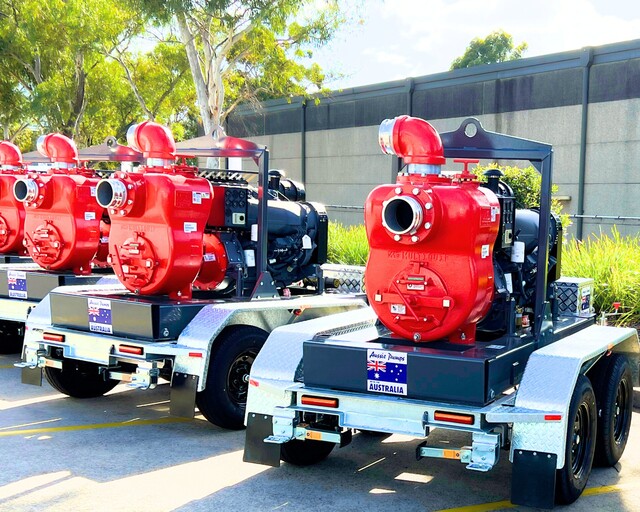
As part of the Drought Management Plan, Coffs Harbour City Council, NCW and DLWC accelerated the pipeline linking the Nymboida River to Coffs Harbour’s supply. In less than six months, 62 kilometres of 600mm diameter pipeline was laid and a booster pump station was constructed, enabling Coffs Harbour to supplement its supply at a critical period.
The contract for the remaining sections of pipeline is expected to be let by April 2003 and will be a 12 month contract.
Designs for the Shannon Creek Dam are taking place and are expected to be completed by August 2003, with tenders being let for the construction by the end of 2003, with a two year construction period.