Local Government in the Northern Territory continues to grow in its capacity to provide the services required by residents. There are now 68 local governing bodies, 38 of these created under the Local Government Act. The Act provides for two streams of Local Government &endash; Municipal Councils and Community Government Councils.
The other 30 Councils are Incorporated Associations with limited powers. The Northern Territory Government is committed to encouraging these bodies to change their status to full Local Government Councils.
“This process is one of encouragement, never pressure,” said David Coles, Assistant Secretary, Department of Housing and Local Government. “Before a new Council is created, the Government must be sure that a substantial majority of the residents is in favour of the new Council.”
While over 85 percent of Territorians reside within Local Government boundaries, these combined only cover five percent of the land area. This point emphasises the vast tracts of the Territory that exist between population centres. In fact, only four Councils share common boundaries.
The largest Council, Darwin, has 70,000 people, while some of the remote and predominantly Aboriginal Community Government and ‘Association’ Councils have populations under 300 people. While the Municipal Councils, such as Darwin and Alice Springs, have very well developed infrastructures and self sustaining economies, many small centres have not achieved these levels.
“Community development is an important task for these smaller Councils and for the Department of Housing and Local Government,” David Coles said. “The core strategy is for social, economic and administrative development to improve quality of life, enhance social stability and create future opportunities for residents.”
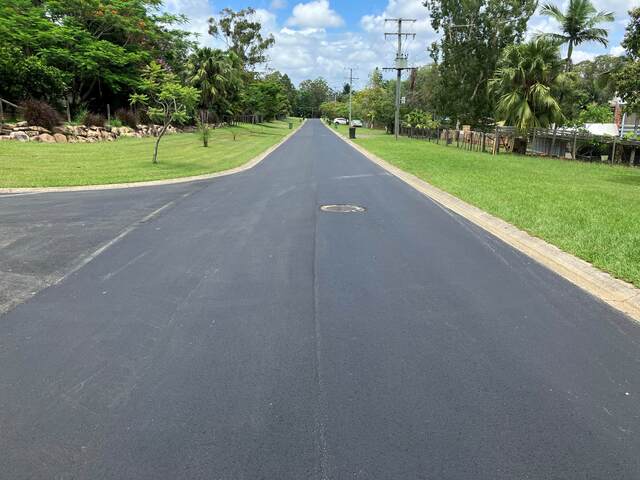
These are some of the challenges that are being met by Councils, together with the provision of core services such as waste management, road maintenance and community leadership. Community Government Councils often have an importance beyond that accorded similar sized Councils elsewhere in Australia. They are expected to operate as the community’s primary interface with a wide range of government agencies, non government organisations and entrepreneurs that deal with communities.
Most Community Councils have an extended range of functions that can include responsibilities for social security, power, water and sewerage agents, community store, mechanical workshops, post office, radio and TV rebroadcasting, airstrips and barge landings. Balancing the demands of community management, service delivery, local politics and traditional and cultural obligations, can often be a daunting task for elected members and Council staff.
A unique feature of Local Government in the Territory is that there are some 600 elected Aboriginal members of Councils. The NT clearly leads the way in having successfully achieved this degree of involvement.