Home » Sustainable growth in reginal Australia

Sustainable growth in reginal Australia

Urban and northern population drift, combined with a continued low reproduction rate, will lead to the depopulation of some regional areas, according to statistician, Brian Doyle. Brian Doyle, from the Australian Bureau of Statistics, was speaking at the second annual Sustainable Economic Growth in Regional Australia conference, held in south east Queensland in November.

Conference organisers included the Shire of Beaudesert, Ipswich City Council and the Southern Corridor Regional Economic Development Organisation. Using the theme ‘Developing Economic Sustainability in Regional Areas’, during the three day program some 140 delegates were addressed by a range of speakers. They covered issues from industry down sizing to tourism.

Brian Doyle said almost no inland areas, apart from a couple of sparsely populated Shires in Western Australia, experienced high population growth, defined as more than one percent per year.

Most high growth areas are on the coast. Conversely, nearly all high decline areas (more than one percent loss per year) are in the pastoral and cropping zones of the States. ABS projections suggest that, if current trends continue, Tasmania’s population will almost halve over the next 30 years.

From 1991 to 1996, Queensland had a net population gain from all States and Territories, while WA gained from all States except Queensland. While the demographic trends are not good news for some regions, speakers at the conference offered some ideas to boost regional development.

Archbishop of Brisbane, Peter Hollingworth, who is also a Director of Foundation for the Bush, suggested that regional areas could be sustainable, if they had certain core characteristics. These included community pride, awareness of competitor regions, a realistic view of local resources and a belief in the future.

Associate Professor Rod St Hill of the University of Southern Queensland, said regional communities were sometimes badly affected by current macroeconomic policy, which did not allow for regional economic ‘lags’, or persistent recessions. He said one way to offset this, would be for governments to provide money for local projects which could be quickly switched on and off.

For example, having government buildings painted is easy to organise and does not require an ongoing commitment by the government. Professor St Hill said local authorities and community organisations could prepare a list of similar projects and have them ready for regional recessions.

“This type of local stimulation has never been tried in Australia and it would require some political will,” he said.

Other speakers gave details of various Federal and State Government programs which might provide funds and advice for those interested in regional development.
Digital Editions


  • Greater Geraldton bridge lauded

    Greater Geraldton bridge lauded

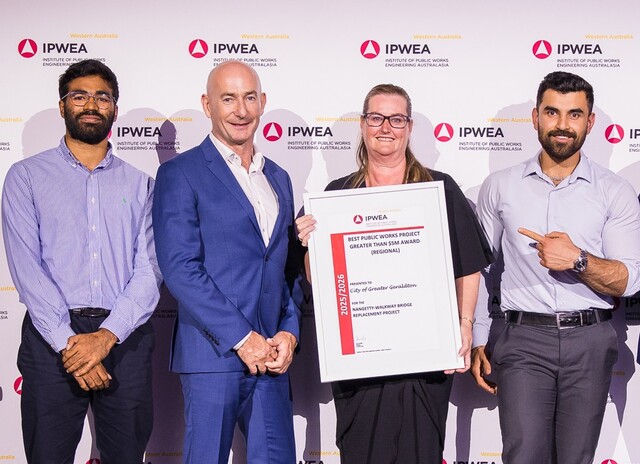
    City of Greater Geraldton bridge replacement project wins prestigious engineering award Inovative engineering has earned the recently completed Nangetty-Walkaway Road Bridge Replacement Project top honours…

More News

  • Big attraction for tiny town

    Big attraction for tiny town

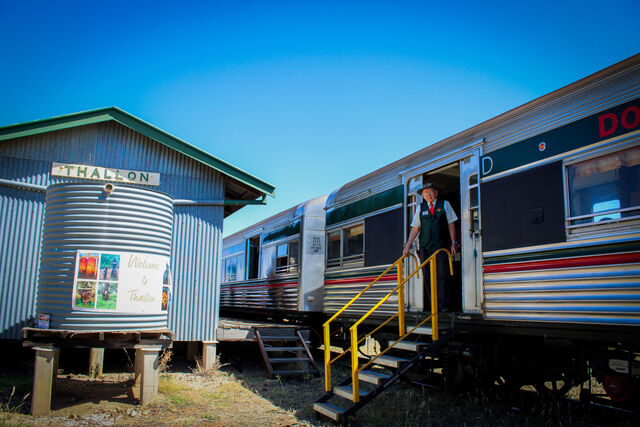
    Dozens of tourists have created history as the first passengers in decades to arrive in the tiny southern Queensland town of Thallon by rail. Excited passengers travelled for hours on…

  • Together Butchulla Talk

    Together Butchulla Talk

    A new Indigenous book celebrating the Butchulla language and local animals was launched at Hervey Bay Library earlier this month with storytime, language, dance and art activities for families to…

  • New Logan arena

    New Logan arena

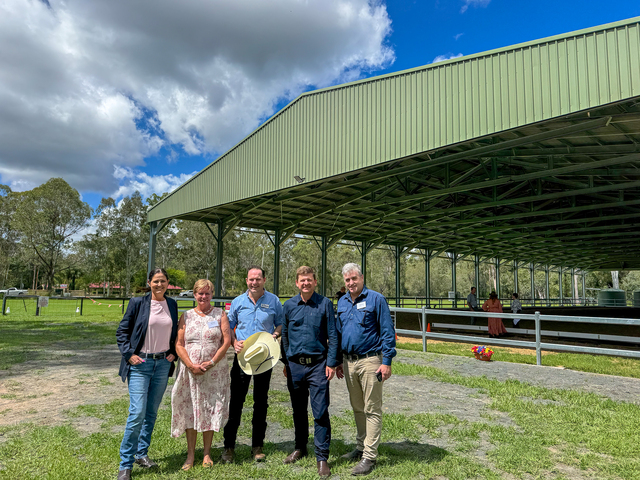
    An upgraded arena for equestrians has officially opened at Skerman Park in North Maclean. Logan City Council delivered the $928,000 project, which includes a weatherproof roof, to support members of…

  • Noosa mastering AI

    Noosa mastering AI

    Digital Hub is trying to help Noosa locals get the most out of AI. Mastering AI can make life easier in countless ways. From planning weekly meals with specific dietary…

  • Change in the weather

    Change in the weather

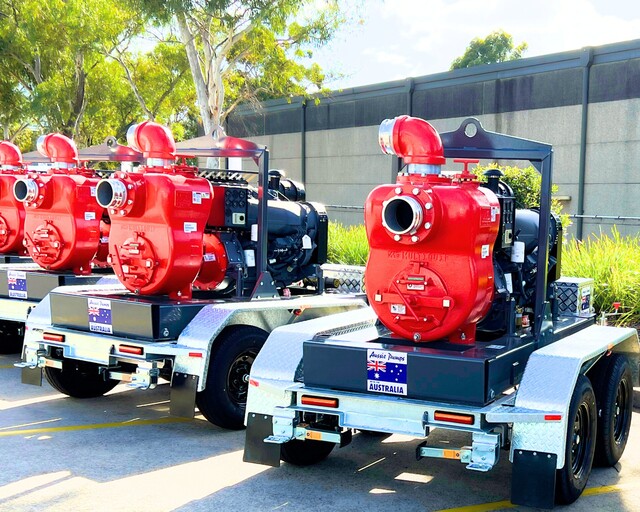
    AUSSIE FLOOD RESCUE It’s obvious to everybody that we are seeing weather changes. It appears to be more erratic and frequent than ever before. Local government bodies are plagued by…

  • Dandycon set to return

    Dandycon set to return

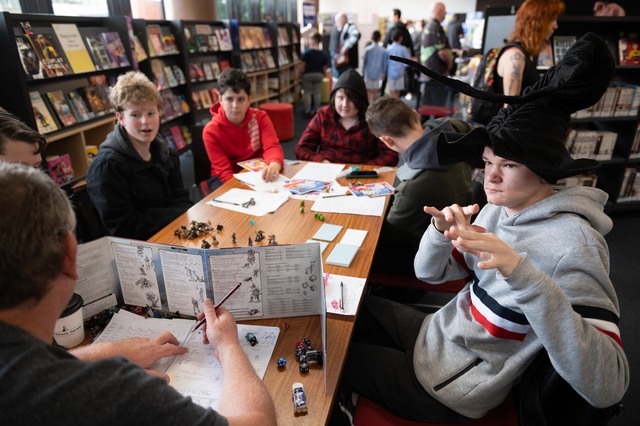
    Dandy Con, Greater Dandenong’s much loved comic and pop culture festival, returns on Saturday 11 April 2026 between 11am–4pm, bigger than ever. This free, all ages event fills Dandenong Library,…

  • A creative future for Kingston

    A creative future for Kingston

    The community has been invited to help shape Kingston’s creative and cultural future. Kingston residents are being invited to help finalise the city’s cultural roadmap, with the Draft Creative and…

  • Tweed residents gunking up wastewater

    Tweed residents gunking up wastewater

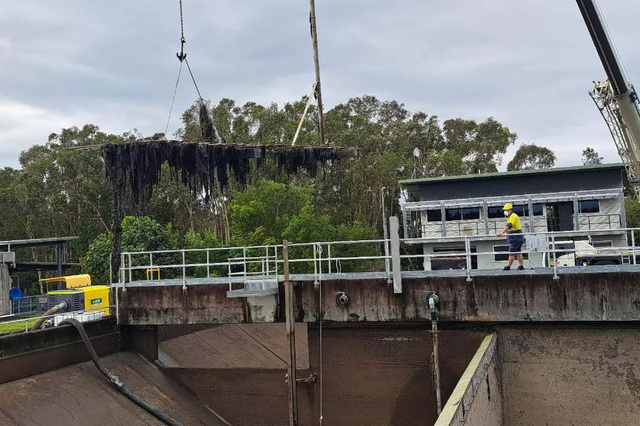
    Tweed Shire Council is urging residents to rethink what they flush down the toilet and pour down the drain, after revealing that crews remove around 156 tonnes of rubbish and…

  • In memory of Chris Quilkey

    In memory of Chris Quilkey

    It was with great sadness that we learned that former Blacktown City Deputy Mayor and Councillor Chris Quilkey has passed away. First and foremost, our thoughts are with Chris’s family,…

  • Unit demolished as Ipswich flood recovery continues

    Unit demolished as Ipswich flood recovery continues

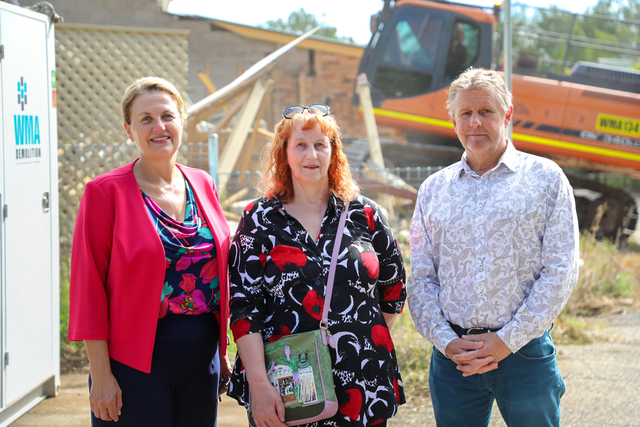
    Ipswich Mayor Teresa Harding has welcomed the demolition of Mihi Grove, a flood-hit 42-unit complex in Brassall purchased as part of the Queensland and Australian Government’s Resilient Homes Fund Voluntary…