Home » Making renewable gas a reality

Making renewable gas a reality

When Australians think about renewable energy, solar panels, wind turbines and renewable electricity probably spring to mind.

However, considerable work is underway to develop an Australian renewable gas industry, providing more options for households and businesses to reduce their carbon footprint.

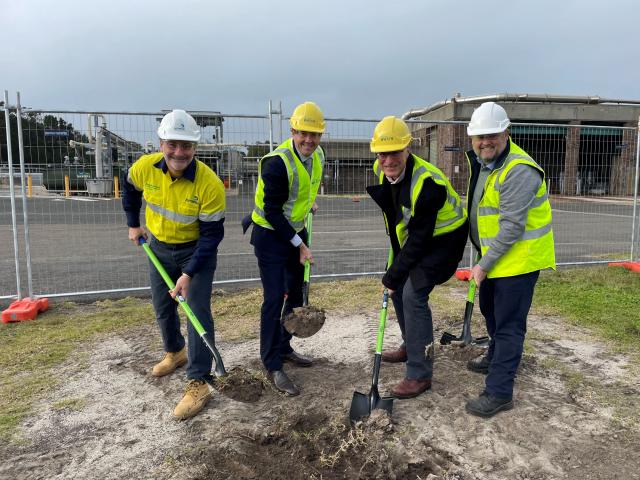
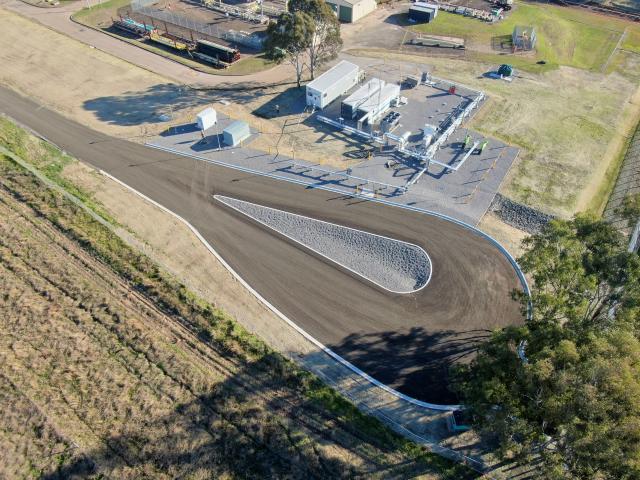
Energy infrastructure company, Jemena, which owns and operates New South Wales’ gas distribution network, is focusing on a renewable gas future with projects including its Western Sydney Green Hydrogen Hub, and Malabar Biomethane project, both co-funded by the Australian Renewable Energy Agency.

Green hydrogen is generated using renewable electricity to split water (H2O) into hydrogen (H2) and oxygen (O), through a process called electrolysis. Jemena’s Renewable Gas General Manager Peter Harcus says the Western Sydney Green Hydrogen Hub is already injecting the renewable gas into the NSW gas network.

“Over 23,000 of our residential customers, 100 commercial customers, and seven industrial customers are already using a mix of natural gas and green hydrogen,” Peter says.

Hydrogen offers huge potential, for transport, industry, and residential use, both here and as an export. Considerable work is underway to develop and invest in the technology and infrastructure, as part of Australia’s efforts to achieve net-zero emissions by 2050.

Biomethane – creating energy from waste

Carbon-neutral biomethane is generated from sources like wastewater, agricultural waste, household green waste and landfills.

“Biomethane can be used in exactly the same way – and in the same cooktops and hot water systems – as natural gas today,” Peter says.

“It’s already successfully used in gas networks in Europe and the United States, as part of their efforts to decarbonise.

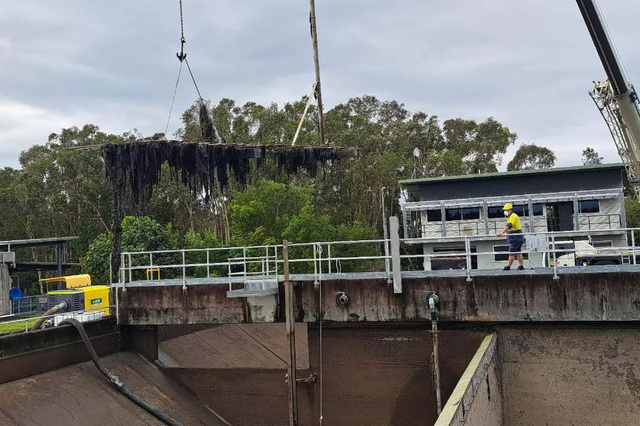
“As a first Australian step, we’re partnering with Sydney Water to generate biomethane at the Malabar Wastewater Treatment Plant, to generate enough renewable gas for 6,300 homes by the end of this year.

“We’ve also identified enough potential sources of biomethane, from landfills, agricultural waste and wastewater, that if utilised, could meet the gas demands of all 1.5 million NSW residential customers.

“We know councils are great champions of developing local circular economies, so we’re planning to engage with councils and green waste, wastewater and landfill operators to discuss unlocking these potential local renewable energy resources.”

Australia’s future energy system

Renewable gas is still in its early days. However, conservative projections show a future energy system which continues to use Australia’s extensive existing gas infrastructure to transport renewable gases, complementing renewable electricity, is likely to provide increased energy security, and be more cost effective than full electrification of Australia’s energy system.

For more information, visit gorenewablegas.com.au
Digital Editions


  • Jack Iori honored by the Hills.

    Jack Iori honored by the Hills.

    The Hills Shire Council has officially named the grandstand at Kellyville Memorial Park Community Centre the Jack Iori Grandstand, recognising the enormous impact Jack Iori…

More News

  • Unwavering support and thanks in Bondi aftermath

    Unwavering support and thanks in Bondi aftermath

    Councils across NSW are being encouraged to continue to provide direct support for the Waverley community in the wake of December’s devastating terrorist attack at Bondi while Waverley has paid…

  • Redlands Koala population stable

    Redlands Koala population stable

    Redland City Council has become the first local government in south-east Queensland – and within the koala’s federally-listed northern endangered range – to report stabilisation of its city-wide koala population.…

  • Looking for “Red Fleet” Solutions

    Looking for “Red Fleet” Solutions

    The Country Mayors Association of NSW (CMA) has met with NSW Emergency Services Minister the Hon Jihad Dib MP about the Red Fleet issue, which refers to local Councils currently…

  • Three small changes making big differences in grand programs

    Three small changes making big differences in grand programs

    Local government grant programs are designed to create community impact. Yet for many councils, the effectiveness of those programs is shaped less by intent and more by the processes that…

  • Alice skating program a success

    Alice skating program a success

    Free ice skating, packed programs and smiling faces have marked the end of a hugely successful school holiday program delivered through a partnership between Alice Springs Town Council, the Northern…

  • Supporting Waverley

    Supporting Waverley

    Councils across NSW are being encouraged to continue to provide direct support for the Waverley community in the wake of December’s devastating terrorist attack at Bondi. In the aftermath of…

  • New deputy for Liverpool

    New deputy for Liverpool

    Councillor Peter Harle has been elected Deputy Mayor of Liverpool City Council following the resignation of Cllr Dr Betty Green. Councillor Harle, who has served the office in the past,…

  • Erosion reef wins awards

    Erosion reef wins awards

    A West Australian-first coastal erosion research reef installed off C.Y. O’Connor Beach in 2022, reducing wave height and energy and blossoming into a thriving habitat, took out the 2025 WA…

  • More rehabilitation works for Coffs

    More rehabilitation works for Coffs

    Scores of local flood-damaged roads will be improved after the City of Coffs Harbour determined to expand rehabilitation works. An initial program of stabilisation works had already been approved for…

  • First-class Pump Track opens in Ballina

    First-class Pump Track opens in Ballina

    Ballina Shire Council is thrilled to announce the completion of the new Ballina Pump Track at Kingsford Smith Reserve in the heart of Ballina. Designed to national competition standards, the…