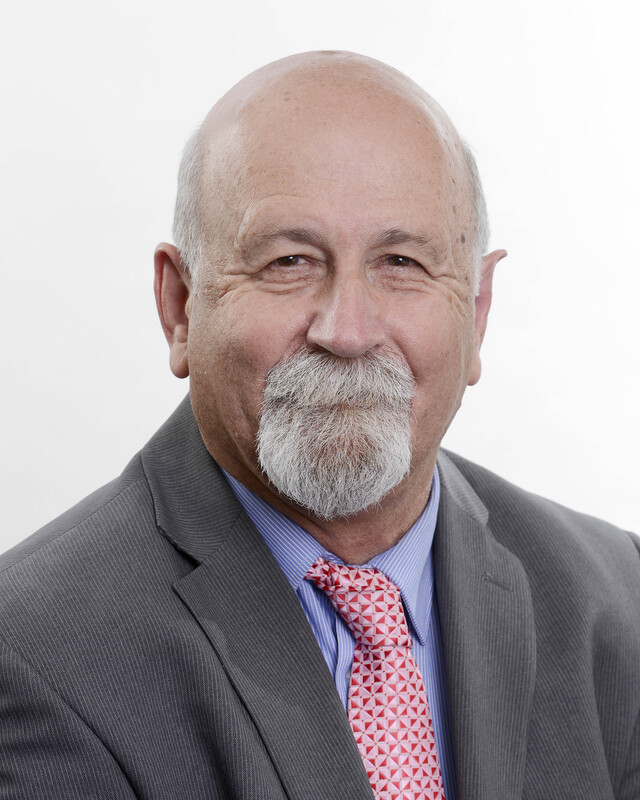
Councillor Stephen Mayne, Manningham City Council, Victoria
Stephen is a journalist and founder of Crikey.com.au – an independent news service. He is also a self described shareholder activist.
Q. Briefly tell us about your council area.
Manningham City Council is in Melbourne’s northeast, where the suburbs of Doncaster, Bulleen, Donvale and Templestowe meet the green wedges of Warrandyte, Wonga Park and Park Orchards. It largely comprises Kevin Andrews’ Federal seat of Menzies, one of the safest Liberal strongholds in Melbourne.
Manningham polls very well on happiness and life expectancy, but unfortunately has the highest car ownership rate in Victoria because we are the only metropolitan council in Victoria without any rail or tram service.
Our finances are very strong and we have been scandal free over the years.
Q. Why did you run for Council?
As a professional candidate who has run in contested elections on more than 40 occasions, I was keen to experience a local council poll, but had no particular grievance with Manningham’s leadership. Now elected, I’m keen to improve transparency and community infrastructure, while driving the ratepayer dollar further and contributing constructively to Council deliberations.
Q. In several past interviews, you have mentioned that you want to push the issue of greater transparency. How will you achieve this?
Increasing the amount of relevant information on the Manningham website, persuading colleagues and officers that ‘sunlight is the best disinfectant’ and bringing important issues to public attention in the Council chamber.
Q. What other issues are important to you?
Reducing the damage caused by the $65 million a year lost playing poker machines in Manningham, improving community sporting facilities, and ending the practice of rates rising faster than inflation.
Q. In the past, your role as a journalist has enabled you to commentate on the performance of many things, including Local Government. Do you think it will be a challenge to be on the other side of the fence?
Yes, I’ll need to be very careful talking about Manningham to ensure Council solidarity, and bite my tongue on sensitive issues of confidentiality. The roll is very different and so far, after ten years of being a work from-home business, media and politics critic, it is great being back inside the tent making real decisions with good resources.
Q. What will your experience as a ‘share holder activist’ bring to Council?
Financial insights, a good understanding of accountability mechanisms, an ability to publicly debate issues around governance and the experience of asking questions at more than 300 public company AGMs. While council officers have impressed so far, years of probing large institutions should make it easier to detect if the wool is pulled over our eyes in the future.
Q. What is the difference between corporate governance and Local Government?
Public company boards self select, turn over slowly, focus largely on shareholder returns and are dominated by men over the age of 50. Council elections throw together a diverse group of citizens to lead their community and are far more accountable, while paid a relative pittance. The diverse backgrounds and agendas of Councillors can be a recipe for public disunity and dysfunction, which is rarely seen at public companies. While ASX company directors are re-elected with an average 96 per cent of votes in favour, incumbent Councillors are regularly defeated. Public companies have one public meeting a year, the AGM, whereas the community can observe monthly council meetings.
Mayor Lyn Gunter, Murrindindi Shire Council, Vic
Editor: This profile was completed by Councillor Gunter just prior to the devastating bushfires that took place in Victoria on 7 February. Murrindindi Shire suffered greatly with many lives lost, people injured and extensive property damage. A number of its townships were almost totally destroyed. We decided to go ahead with the profile as, like many other areas impacted by such disasters, Murrindindi Council and its community will rebuild their towns and villages to become a stronger and even more beautiful Shire than it was previously.
Q. How long have you been on Council?
This is my 16th year on Council. I served two terms
pre amalgamation on Yea Shire Council from 1986 to 1992. Post amalgamation, this is my fourth term on Murrindindi Shire, beginning in 2000. It has been my privilege and honour to serve as Mayor for several terms.
Q. What interests you about Local Government?
My main interest is working with the community to achieve results on their behalf. Trying to find solutions to problems is a real challenge and one that I enjoy as I believe you can turn a negative into a positive if you go in with the right attitude. I enjoy providing the community with information on how they can work within the Local Government system. Helping them through issues and problems, and hopefully enjoying a positive outcome, is a reward for them and me. I truly believe if the community understand ‘the systems’, it will empower them and us.
I was the second woman to be on Yea Council and I believe it was and still is a real honour and privilege to be a Councillor.
Q. What makes your council area special or different?
The Great Dividing Range runs through our Shire, with about
47 per cent of our land mass being under the control of National or State Parks. Our magnificent natural vista generates tourism, as we are within a two hour drive of the Melbourne metropolitan area.
Murrindindi is one of six Peri Urban Councils in Victoria, meaning we have non urban land, fringing on a metropolitan centre. The southern boundary of our Shire is approximately 60 kilometres from Melbourne CBD, and the majority of residents living in this area travel out of our Shire to the metropolitan surrounds for work. While in transit, they usually pick up the goods and services they need, which can make it difficult for local businesses to survive.
The northern areas of our Shire are largely rural, and due to the close proximity of Melbourne, there is pressure for development. There is a fine balancing act, as we need new, well planned development to be sustainable around existing towns, as they have the capacity for further development.
Q. What key challenges are currently facing rural councils?
With such diverse communities to service, we don’t always get it right. Communicating with the community and other levels of government is really important.
Transport, financial sustainability, keeping at least some of our youth or getting them to return to settle, and water are also important. The drought and current economic circumstances are having an overall impact on our communities, rural residential and business. Understanding and planning for these challenges is vitally important. We must endeavour, while being realistic, to send positive messages to the community that we can get through by working together. By doing this we give ourselves the best chances for the best outcomes.
Q. What impact do you hope to have on your community?
I hope I can persuade those I meet that Local Government does care about the community. As Councillors, we are part of our communities and any decision we make impacts on us too, especially rates. We endeavour to do our best on the communities behalf, but it is a two way street. We are only as good as the information we receive. There are always two sides, if not more, to any situation, so we need to encourage residents to tell us their issues and problems and if they don’t like what we are doing, so that we can do it better.