The ‘Our Town, Our Future’ strategy for Ingham was the most awarded revitalisation project in Queensland in 2007, after receiving a total of six State and international awards for its innovation in community planning, process and communication. Expected to deliver more than $330 million in direct benefits to the region, the Ingham strategy provides a catalyst for sustainable change, and is now on its way to achieving great things for both the town and the Shire.
Ingham is the social and economic heart of Hinchinbrook Shire in North Queensland. However, in 2005, after decades of economic and social decline, the community of Ingham and the broader Shire united to embrace a new future. They sought a future that would ‘protect their lifestyle and provide jobs for the kids’.
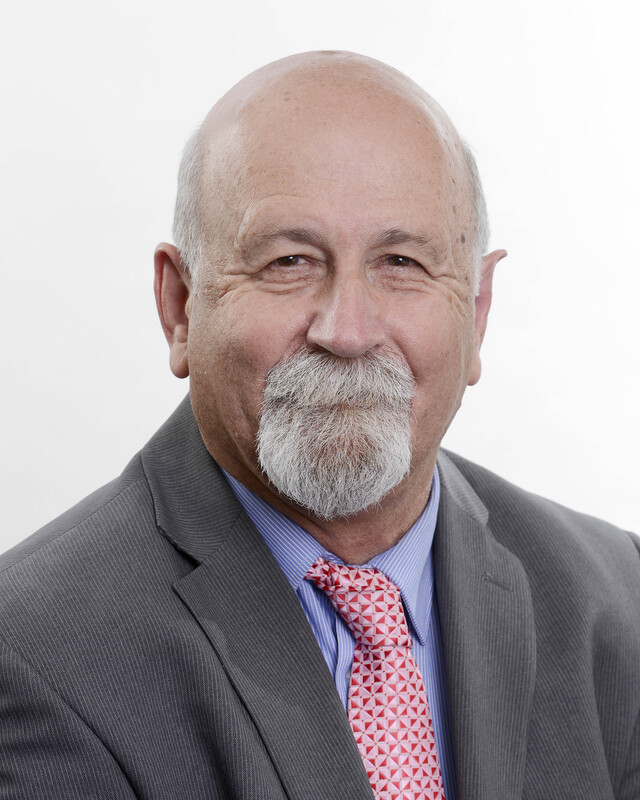
Hinchinbrook CEO, Robert Clark, said this community vision posed the challenge of keeping things the way they were, yet making bold enough changes to reinvigorate the local economy.
“Council engaged consultants, Vital Places, and embarked on the ‘Our Town, Our Future’ revitalisation process in August 2005,” he said. “Vital Places immediately recognised that revitalising Ingham required far more than streetscaping.
“We needed to keep the main streets local and grow the town to be a world class tourism and lifestyle destination.”
Through extensive community consultation and visioning, and strengthening Council’s ability to lead the change, Vital Places guided the creation of the
20 year Ingham Revitalisation Strategy. This strategy provides an innovative master plan for the Ingham CBD, based on the identification of four distinct commercial precincts within the town.
Each precinct builds on existing uses and opportunities to help create a vibrant town centre where public assets benefit the local community and provide a catalyst for increased economic activity.
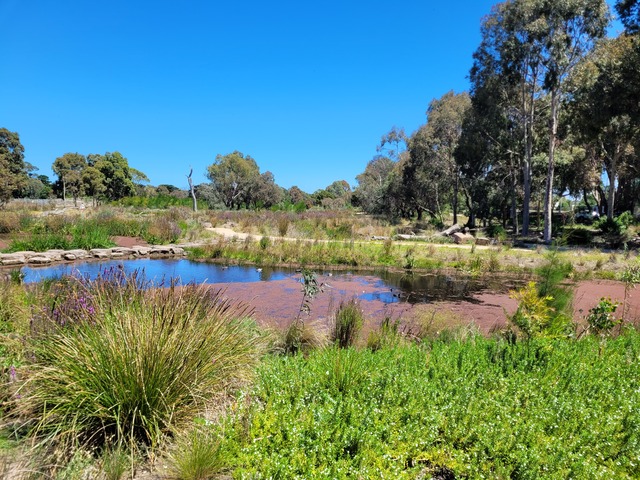
An Integrated Action Plan provides the tools – a range of physical, cultural and economic activities to cost effectively and quickly deliver triple bottom line benefits for Ingham. These activities include ‘Ingham Heartbeat Projects’, such as a Town Trail, the launch of a wetland centre and a yearly events program. They also include ‘Enterprise Initiatives’, which are focused on elements such as a cultural and technology centre, sustainable housing, a parkland, lagoon and elevated walkway. Robert Clark said the Tyto Wetlands Centre, which was completed under the strategy in July 2007, has already seen a large increase in visitor numbers.
“Named after the Tyto owl, which lives in nearby wetlands, the $2 million centre is located 500 metres from the main street,” he said. “It incorporates a visitor information centre as well as an interpretation centre and is easier to access and more noticeable than the previous visitor centre.
“We are now getting a lot more visitors and people are staying an extra night than they planned because the centre is showcasing all there is to do here.”
Robert Clark said plans are now also under way for the development of a 25 room motel, located adjacent to the Tyto centre.
This is the first new hotel development in at least 30 years and will capitalise on visitors to the centre.
While the strategy is in the early stages of implementation, it is expected to deliver significant regional benefits including:
- a 70 per cent benefit flow
to the neighbouring areas of
Townsville and Thuringowa - delivery of a multiplier of
11 for every dollar spent in
the Shire - the creation of 200 new jobs
within ten years, which will
boost the local economy by
$12 million to $20 million
per annum and attract 400 to
500 new residents - establish the Shire as the ‘wet tropics gateway’ for the
Townsville region.
Robert Clark said the strategy will start the ball rolling for great things in the region.
“The private sector needs to see public investment before they will follow,” he said.
“In the future, I hope to see tours starting up, taking visitors out to local attractions and showcasing local food and products.”
Further development in Ingham will kickstart early this year, with some finished by the beginning of 2009 and the balance of the project due for completion by 2010.
For further information contact Robert Clark on
(07) 4776 4600.