Home » Northern Territory LG reform process update

Northern Territory LG reform process update

by Ron Banks*

Eight new Shire Chief Executives are now in place as the Northern Territory gears up for the biggest reform in Local Government in its
30 year history of self rule. The reforms, 18 months in the planning, have reached the stage where Chief Executives and Directors of Corporate and Community Services are at their desks and preparing to recruit
more staff in readiness for the official start up
on 1 July.

Shire elections will follow in October, which will see 54 mostly Indigenous Community Councils replaced by eight Shires with headquarters in Alice Springs, Katherine, Tennant Creek, Jabiru, Nhulunbuy and Nguiu on the Tiwi Islands.

The Federal and Territory Governments have committed $65 million to the reforms, with more funding to follow. There will also be $386 million available from Federal and Territory sources for the development of roads.

Opposition to the reforms in the Top End region led the NT Government to take four Councils out of the process, but the focus is now on working closely with Indigenous communities to get the Shires running.

A vital link in the reform chain has been the establishment of Shire Transition Boards to work with communities in explaining and implementing the processes of change.

There has been some confusion in the bush over the Intervention process and Local Government reform, but NT Local Government Department officers have been on the ground in communities explaining the changes.

A new Local Government Minister, Daly River MLA Rob Knight, has taken over the portfolio after the departure of Elliot McAdam, who had initially driven the reforms.

Unaffected by the amalgamations are the town municipalities of Darwin, Palmerston, Alice Springs and Katherine.

Two of the Shires – Central Desert and MacDonnell – will share headquarters in Alice Springs, with the Shires of Victoria Daly and Roper Gulf to be based in Katherine.

The complex structure of the reforms will see the old Councils in Indigenous communities sending ward representatives to the Shires – with no more than three representatives in each ward.

With elections scheduled for October, the new CEOs will have some breathing space to bed down the changes and set up their new structures.

A key component of the reforms will be the establishment of local boards within Indigenous communities, with advisory powers only. These boards will not be paid a sitting fee, unlike the old boards.

Rates for pastoral leases and mining tenements have been struck at a very low rate – a move designed to bring these industries into the reform process. Some pastoralists may find themselves with a rate bill of only $300

It is expected the reforms will eventually pay off in an increase in Shire employment and new business opportunities within the Shires.

The new shires will also be able to tap into new Federal funding sources.

*Ron Banks is Senior Communications Officer Local government Reform in the NT Department of Local government, Housing and Sport.

 

Digital Editions


  • Fuel prices hurt country LGAs

    Fuel prices hurt country LGAs

    The fuel crisis is hitting remote, rural and regional communities hard, with farmers, freight carriers, tourism operators and local government all expressing concerns about the…

More News

  • Mayors call for waste levy

    Mayors call for waste levy

    Mayors across NSW have called for waste levy to soften the blow of fuel price increases. More than 60 Councils from across NSW have issued a call for the NSW…

  • Lismore four years on

    Lismore four years on

    Four years on: How Lismore is building back and setting a national benchmark. When the 2022 flood inundated Lismore, it was not simply another extreme weather event. It became Australia’s…

  • A golden celebration

    A golden celebration

    Cockburn Libraries will mark a major milestone in 2026 – 50 years of serving, supporting and connecting the community. Spearwood Library opened its doors on 23 March 1976 as one…

  • Local Governments vital for fuel supply

    Local Governments vital for fuel supply

    Fuel supply constraints and rising costs are putting councils and communities under increasing pressure across Australia, with implications for essential services and community infrastructure. The Australian Local Government Association is…

  • Nathan Daniell elected Mayor of Adelaide Hills Council

    Nathan Daniell elected Mayor of Adelaide Hills Council

    Adelaide Hills Council is pleased to advise that Nathan Daniell has formally been elected Mayor following confirmation of results from the supplementary election. Mr Daniell has served as a councillor…

  • Community mourns beloved former mayor

    Community mourns beloved former mayor

    The NSW local government sector is deeply saddened by the passing of former Lismore Mayor Jenny Dowell OAM, a widely respected and much-loved leader who dedicated her life to serving…

  • New-look reserve reopens

    New-look reserve reopens

    Toongabbie’s Sue Savage Reserve has reopened after a $4 million upgrade featuring a new skate park, BMX pump track, fitness equipment, an amenity building, park furniture, drainage upgrade, landscaping and…

  • Temora address housing shortage in tiny hamlet

    Temora address housing shortage in tiny hamlet

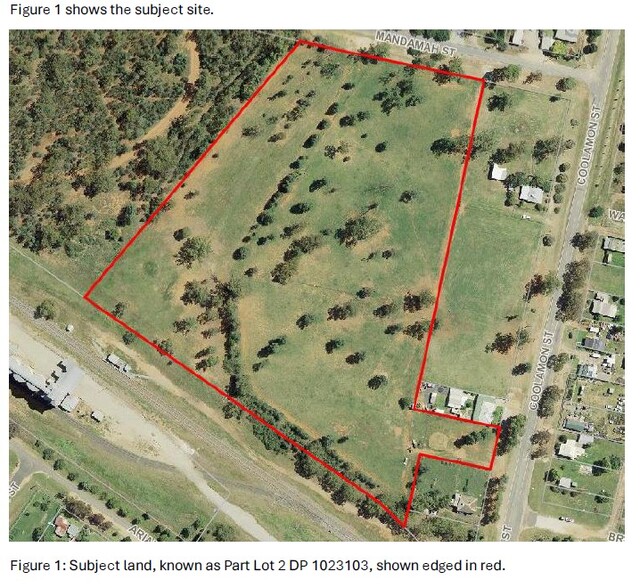
    Proposed Ariah Park Village Subdivision to Address Housing Shortage – Lots from $90-000 to $110,000 in the small picturesque hamlet. Temora Shire Council is investigating the delivery of a proposed…

  • Douglas Shire seeks renewal

    Douglas Shire seeks renewal

    Creative store opens in Mossman through empty spaces program. A new store and community art space has opened in Mossman thanks to a program designed to breathe new life into…

  • New youth and community centre for McLeay

    New youth and community centre for McLeay

    A new Youth and Community Centre planned for Macleay Island will service the needs of the growing community and will also be designed so it can support community recovery following…