A Focus on Excellence and Innovation
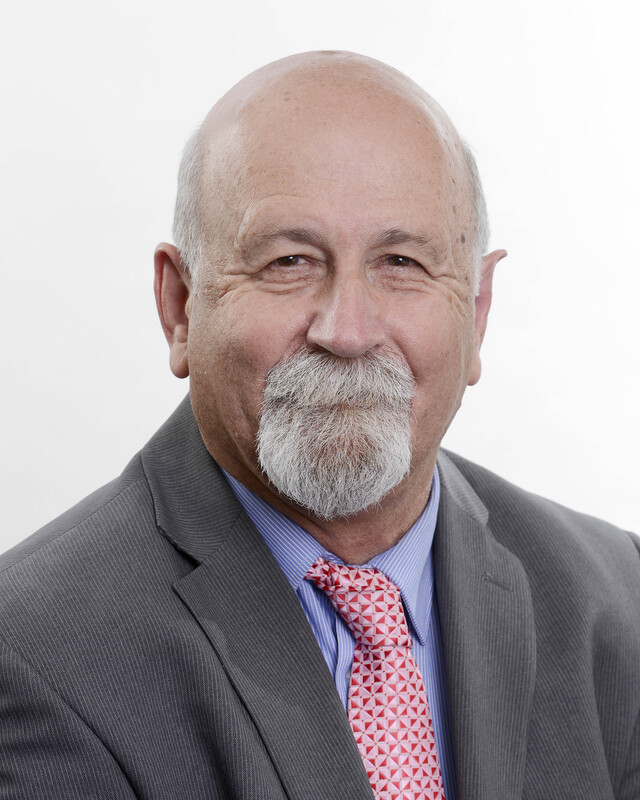
In opening the Local Government Association of Tasmania (LGAT) 98th Local Government Conference, Association President Barry Easther said that it is an important time for Local Government as it strives for excellence and uses innovation to shape the future.
“There are many challenges ahead of us, but we will face them with confidence,” he said.
Staged in Hobart from 12 to 14 May, the conference was themed ‘Up, Up, Up: A Focus on Excellence and Innovation’. It was centred around striving for improvements to ensure a sustainable future and highlighted the necessity for Local Government to be continually mindful of the need for improvement in all aspects of their activities.
In his official opening address, Tasmanian Governor Peter Underwood recognised Local Government’s journey to be recognised in the Constitution, but said that the system is currently working very well, with more people trusting their councils than Federal and State politicians.
“The strength of Local Government lies in the support of the people,” he said. “It’s the same with all governmental institutions. Their strength rests not on words, in constitutions, or other Acts of Parliament, but in the support of the people.”
The Governor said that all governments are powerless in the face of widespread public dissatisfaction and that public acceptance is vital.
“I am not saying that Local Government should not have Constitutional recognition, nor am I saying that there should not be a push for it,” he said. “However, I am saying that Local Government has been around for a long time now. It has worked very well and you must never lose sight of the fact that Local Government’s real strength lies in the extent of support that it wins from its local communities.
“At the moment it seems pretty clear that the level of that support is very high, and indeed, it might be said that it is the envy of many politicians who practise in other spheres of government.”
Keynote speaker Dominic Thurbon said that ‘disorganised collaboration’ through the use of new technologies could be the key to innovation in the future.
He said that sometimes, it is not the people that you would expect to work together that come up with new ideas and that technology can facilitate in bringing together these partnerships and working groups.
“The problem is often not that organisations don’t have the information they need – the problem is generally that no one has captured it,” Dominic Thurbon said.
“Social networking is not something to be afraid of – traditional networking has been embraced by people for many years.
“The only difference with social networks is that they have wider access geographically, are portable and searchable.
“The biggest barrier to expanding a network is the size of your existing network – you can only expand at the size of people you know who can introduce you to more people. But social networks are a phenomenal tool – they externalise expertise and interests and make them searchable.
“For example, if you wanted to find information on a group like Pink Floyd, you could type it in and be inundated with information. But type in information about planning and you probably couldn’t find much at all.”
Dominic Thurbon said IBM has developed an internal Facebook like tool to improve internal collaboration. It is set up and looks just like Facebook so that people are familiar with it and know how to use it, but rather than asking about hobbies, likes and so forth, it asks about where people work, what their skills are, what their job title is, and what department they work in.
“Imagine the possibilities this could create if a similar tool was developed for Local Government across the State, the nation or even the world,” Dominic Thurbon said.
“The smartest people in the room are not always the smartest people. It’s about finding potential wisdom from everywhere.”
Tasmanian Minister for Local Government Bryan Green agreed that collaboration is key.
He said that with an uncertain Parliamentary future for Tasmania following the recent State election, Local Government is critical to ensuring that Tasmania can continue to grow and remain positive.
“Local Government has an opportunity to participate in a way that it couldn’t before – it can act as a catalyst for growth,” he said.
The Minister said that while reform has been implemented, there is much to be done.
“Together, we must ensure that the reforms move forward as smoothly as possible, while looking for further opportunities to improve,” he said.
The Minister said that one of the most important issues confronting Local Government as a whole is sustainability and reform.
“We must address issues in an inclusive and holistic manner,” he said.
“We must ensure that we are in a position to change as we need to, not after years and years. You must change flexibly as you move forward, so things like the planning system are modern and reflect current standards.
“We are in a space where there are great opportunities available if we work together.
“It is a very important time with the downturn of industry, but if we work together with a clear agenda, we can take the State forward.”