Rockhampton Regional Council (RRC) has been a member of the Reef Guardian Program since 2010.
Together with 12 other Queensland Councils, RRC actively participates in this programme to promote Great Barrier Reef protection through education, information–sharing and involvement in on-ground actions.
The focus of the program is on improving land management practices and water quality in the Great Barrier Reef catchment. It centres on what councils are doing under five categories – land management, water management, waste management, community involvement, and climate change.
One of the key projects that RRC is working on with the Reef Guardian program is the Lammermoor Native Gardens project. The Lammermoor Native Gardens project contributes to the key Reef Guardian outcome of coastal biodiversity protection and conservation. RRC joined with various community groups and other agencies to improve the amenity of the Lammermoor Native Gardens.
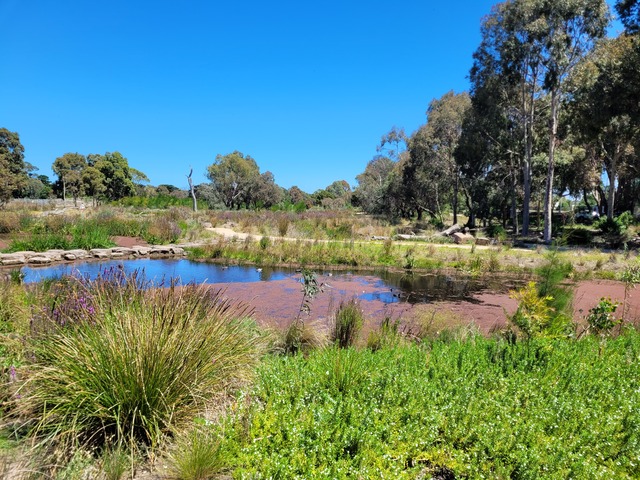
Lammermoor Native Gardens is an area of around 14 hectares of threatened coastal ecosystem. It is a significant preserve for coastal vegetation, including native grasses, and a source of seed for rehabilitation works in other degraded coastal environments.
Within the area a number of coastal ecosystems and habitats exist in small plant communities. These includes rainforest, melaleuca wetlands, littoral rain forest or beach scrub, mangroves, riparian corridor and poplar gum woodland with kangaroo and other native grasses.
A creek system runs through the area, travelling from the freshwater wetland in the west through to the mangroves, before flowing out over Lammermoor Beach into Great Barrier Reef waters. There are over 120 local native plant species present complete with attendant butterflies, insects and 95 bird species have also been recorded.
In 2011 a grant was obtained from Caring for Country Community Action Grants, to develop an interpretive walkway through the coastal beach scrub reserve and the native gardens. The interactive pathway was officially opened in May 2012 and provides great access throughout the gardens. This combined area contains a diverse range of coastal ecosystems and habitats including beach and foreshore, beach scrub (an important and vulnerable vegetation community), mangroves, freshwater wetlands and woodlands.
The area also provides an excellent resource for both residents and visitors in providing education about the natural features and biodiversity of the Capricorn Coast.
To complement the physical works, including track construction, weed control and revegetation, RRC in conjunction with the Livingstone Remnant Vegetation Study Group developed a website to provide detailed information about the environmental values of the site. The website can be found at www.remveg.com and provides easy access to a wealth of information about the environmental values of the Lammermoor Native Gardens.
Various activities continue to take place on the site, including a recent planting exercise during the April 2013 school holidays.
This is one of several projects that RRC is involved with as part of its affiliation with the Reef Guardians Program and has proven to be a great benefit to the community and the environment.