Future Directions is a regular feature. This month we interviewed Michael O’Sullivan, Team Leader Organisational Development, at the City of Onkaparinga, South Australia.
With over 20 years experience in training positions in the public sector, Michael O’Sullivan moved into Local Government for the first time ten months ago. Currently Team Leader of Organisation Development at the City of Onkaparinga, Michael ensures that Council progresses towards best practice through structured and compliant use of its Continuos Improvement Model. His responsibilities include service and process reviews, project management, training and development, special projects and managing associated recording and reporting tools.
Michael believes the key factors for success in training and development stem from two differing approaches.
“Firstly, identifying the most relevant and correct training is critical, whether it be an organisational, corporate or personal development requirement,” he said. “The second approach is to ensure there are distinct pathways that can be followed by the participant.”
At the City of Onkaparinga, a Personal Development Plan (PDP) is used to identify individual training requirements. Every March, all staff are interviewed in a direct report and have a one on one opportunity to discuss issues ranging from their position description to their training requirements for the following 12 months (either corporate or personal). Once completed, this PDP is distributed to the Training and Development Coordinator. The best training avenues available are then identified and relayed back to the staff member’s manager for action. In September another similar meeting is scheduled to discuss how the previous six months progressed and to check that all issues and tasks raised in the initial meeting are on track. If necessary amendments are made to the PDP.
Michael O’Sullivan said he finds face to face group training sessions, face to face individual (resource intensive) sessions, mentoring and coaching, and online e-learning strategies to be the most effective methods.
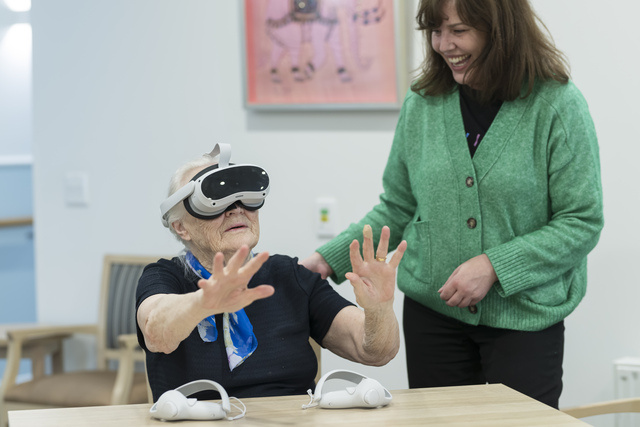
He said a future challenge for training and development is ensuring that all staff have access to grow their technical ability by training in an electronic environment.
“Effective and supported workplace learning strategies will address the continued training needs of staff in a workplace that has no foreseeable end to the ongoing growth in technology,” he said. “We also need to identify how training impacts on roles and tasks within the workplace and create a process that promotes alignment of workplace training opportunities to transportable and recognised qualifications.”
In addressing these projected needs, Michael said the sector needs more flexible access to training; more self paced electronic learning opportunities; more e-learning opportunities in the workplace; better business networks that input the consistency of competency requirements; and the development of easily accessible coaching and training networks.
“I like to think that Onkaparinga is taking a proactive approach to addressing the training and development needs of staff as they grow towards the future,” he said. “Our PDP process, which has recently been upgraded to ensure we have an accurate method of identifying staff training needs, is a particularly useful tool.
“Targeting training that addresses legislative changes that may influence different positions and creating larger training and development networks inclusive of other Councils, various Local Government sector networks, the Local Government Association and professional providers is a key focus. Onkaparinga is currently in the process of introducing a structured workplace coaching and mentoring system. However, I believe that the most effective approach to addressing the ongoing training and development needs of staff and management into the future is to apply the methodology of continuos improvement to the equation.
“This allows for an ever growing process that is being continuously reviewed and updated in an always changing work environment.”