By John Clark*
In this third article for Local Government FOCUS, I wish to challenge Councils to do more with their community consultations. Whilst annual telephone surveys measure small percentage changes in ‘Importance’ and ‘Performance’, such reports can also generate a lot of “feel good, do nothing” responses. But any good marketer will tell you: “People’s expectations are constantly rising, so if you are delivering the same level of service this year as last, you are actually going backwards!”
Panels provide depth
Last month we outlined the way to set up household panels. More Councils are now following this research industry trend of building panels of residents who are predisposed to contributing views on products, services and social issues. CATI (random Computer-assisted Telephone Interviewing) is steadily being replaced by targeted telephone, self completion and online surveys using panel respondents.
A panel can be as small as 100 people sourced through earlier surveys, or tens of thousands, such as members of a ‘loyalty program’. The total number on your panel must be sufficient to allow you to select a sample who are representative of “the whole” community or target group, and recruiting panel members is just the beginning.
Training your panel
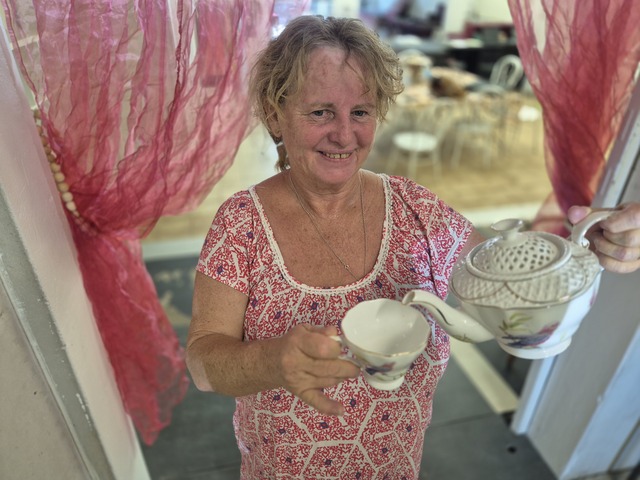
Once recruited, it is important to keep in touch and “manage” your panel. All participants must complete a demographic questionnaire so they can be grouped by gender, age, district or ward, family composition, and so forth so single topic surveys can target specific demographic groups. Then at an initial briefing meeting, usually a morning tea held at Council’s offices, or in community halls, respondents should be advised of the importance and privilege of being a panel member; and that their views will be taken as representative of the community or group.
If initially your panel numbers are small, ask members to canvas the views of friends, neighbours or others in their group, so when interviewed, they can expand on the views of others in their circle.
Panel members should be educated on better ways of answering questions; to add depth to their responses, and offer more than one or two word answers to any open ended question. They can also be trained to provide quality responses and considered views.
Active democracy
Initially, panels are being used as a cost effective replacement to random telephone surveys. But as Councils become more confident in sharing information and accept the concept of pre-testing new planning proposals before they are introduced, panels will be used to develop democratic discussions.
Information can be supplied to panel members in advance of a survey, so when they come together in a focus group format, they are each fully aware of all aspects of an issue; can engage in deliberative discussion, or be asked to evaluate trade off implications of one proposal compared to another.
Panel consultations can also be used very effectively to tackle “big issue” problems such as improved recycling, water restrictions, or energy saving. Solutions which emerge from informed debate will have a greater level of community support and better conformance, because solutions will have been developed by the community, not imposed on them. See the Case Study of Hornsby Shire Council below.
Feedback is essential
For panels to work well and grow, Councils must develop more sophisticated methods of providing feedback. All panel members should receive their own newsletter every three months by mail or email, providing information about how their feedback is being used, what new initiatives are being developed; how much is being saved as a result of panel-driven solutions.
In turn this greater level of communication between Council and the community will generate greater community understanding about the complexity of many issues which councils face today. Research shows lack of community support is invariably a result of poor communication.
Case Study
At the start of 2006, Hornsby Shire Council’s Waste Management division engaged OWL to conduct a community consultation on the subject of waste and recycling. In February, 10,000 self completion questionnaires were mailed out to random households. From the 3,300 replies, over 1,000 people self nominated as ‘panel’ members.
Two rounds of focus groups held in June and August, with respondents ranging in age from primary school students to senior citizens; families to unit-dwellers, provided in-depth feedback. Throughout the discussions, attitudes to recycling were exposed, past successes and failures in communication evaluated, a range of new slogans and graphics tested, preferred media choices assessed.
As a result, OWL has prepared a full marketing strategy for Council, recommending a new campaign slogan, a new “brand” (logo) for recycling, an array of communications devices, and a media plan – all developed with knowledge from community members.
* John Clark is a director of OWL Research and Marketing Pty Ltd. If you would like further information on setting up panels or conducting community consultations using panel members, contact him on (02) 9489 8888 or email: john@owlresearch.com.au