Regional farming leaders made an urgent appeal to government ministers at the Southern NSW Drought Summit on Monday, 4 August, calling for immediate financial and practical support as worsening drought conditions continue to impact farmers across Southern New South Wales.
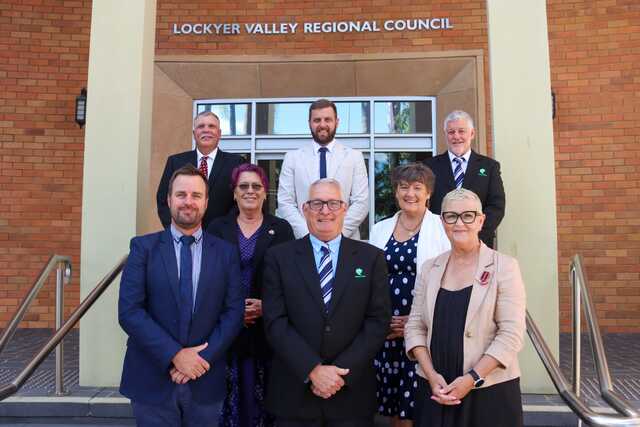
The summit brought together government representatives – including NSW Agriculture Minister Tara Moriarty and seven members of the NSW Parliament – alongside local farmers, agronomists, rural support services, and Mayors from Greater Hume, Snowy Valleys, Cootamundra-Gundagai, Wagga Wagga City and Yass Valley, all drought-affected regions across southern NSW, to develop a coordinated drought response.
Farmers spoke passionately about the growing toll of fodder and water shortages, record-high freight costs, and widespread pasture loss – not just on their livestock and livelihoods, but also on their mental health and family wellbeing.
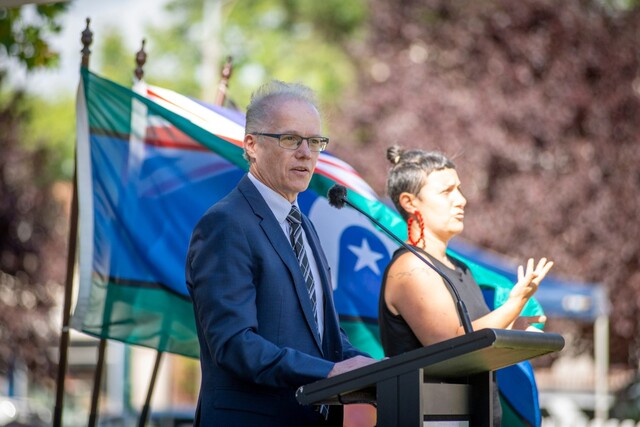
“With 49 per cent of NSW now affected by drought even our most resilient producers are reaching breaking point,” Greater Hume Council Mayor Lea Parker said.
This summit highlighted that NSW farmers are being left behind compared to other states offering direct drought subsidies, and the mental health of our communities is deteriorating under the pressure. There is a clear disconnect between government policy and on-ground reality.”
In a video screened at the event, Holbrook sheep farmer Phillip Locke detailed the crippling costs of feeding livestock.
“Because of the two years of drought, we had no harvest and we’ve been buying in thousands of tonnes of grain. That’s a huge expense – two big B-double semi-loads of grain coming in every week.”
Meanwhile, Gerogery farmer Mr Dwerryhouse shared his frustration online.
“I’m haemorrhaging money due to a green drought. It’s every bit as bad here as what it ever has been in western Victoria,” he said.
“No one really understands that we’re in drought, except for those absolutely involved in it – because it’s green. Everyone else thinks ‘oh yeah, it’s not too bad’.
“I’ve been through eight droughts, a flood and a bushfire, and this one – going 18 months without rain – is virtually unprecedented.”
Mayor Parker presented the Key Actions from the Drought Summit.
“This summit called for drought to once again be recognised as a natural disaster, and we’re calling on the Government to support a coordinated, three-phase plan – one that delivers immediate relief of emergency feed and water, supports medium-term recovery of restocking, debt-management and supply chain issues; and invests in long-term drought resilience for our farming communities – such as breeding herd restocking and policy reform,” the mayor said.
A key outcome of the summit was the proposal to establish a NSW Government-led, producer-informed Drought Taskforce, to oversee implementation of the summit’s recommendations.
The taskforce would bring together local farmers and producers, rural support services, and government agencies to ensure that policy and action reflect on-the-ground realities.
The Summit outlined a clear roadmap for action, including:
• Immediate financial relief through freight and fodder subsidies, emergency grants, and Local Land Services (LLS) waivers;
• Targeted recovery programs to support restocking, pasture regeneration, business support and mental health services; and
• Long-term reform of the National Drought Agreement to recognise drought as a natural disaster and incentivise resilience through tax incentives and on-farm preparedness measures.
Mary Hoodless, Karoo Consultancy director and Drought Summit facilitator of the Drought Summit Mary Hoodless said there was no time to wait.
“We are calling on Government to establish the Taskforce, reclassify drought as a natural disaster, provide targeted financial relief, and reform of outdated support frameworks to reflect modern farming and community needs. Without action, we risk the collapse of local industries, rural communities, and food production capacity.
“The recovery from drought is painfully slow and precarious”, she continued.
“A failed spring would be catastrophic, further delaying the replenishment of critical fodder reserves and compounding already severe financial and mental health strain. Producers face the brutal combination of soaring input costs, potential declines in commodity prices, and the emotional toll of rebuilding with no guarantee of stability.
“The Summit made one thing clear: producers have done all they can. The current drought has exposed systemic gaps in how we support rural communities before, during and after drought.
“Government leadership is now essential. Support must be timely, coordinated and practical – and rooted in the experience of those on the land.”
For those doing it tough and if any of the issues surrounding drought are affecting you, please
contact Lifeline on 13 11 14 or reach out to the local Rural Adversity Mental Health Program (RAMHP) ambassador for support at RAMPH, or contact Mental Health Line on 1800 011 11.