Fuel supply constraints and rising costs are putting councils and communities under increasing pressure across Australia, with implications for essential services and community infrastructure.
The Australian Local Government Association is advocating for local government to be recognised as a key part of the national response to fuel supply challenges, and to be included in national-level decision-making.
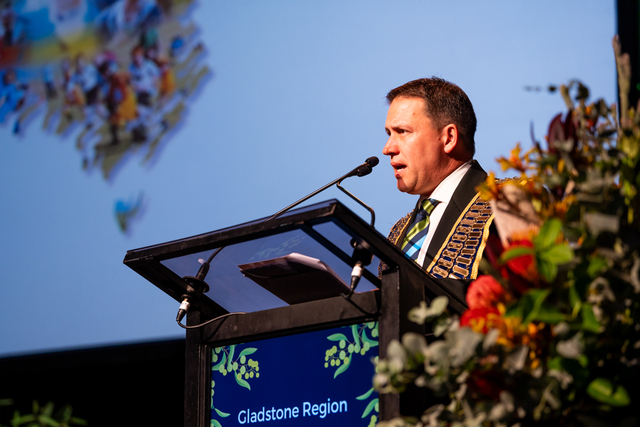
ALGA President, Mayor Matt Burnett, said councils are already feeling the impacts of supply uncertainty and escalating costs.
“Local government is a key piece of the puzzle when it comes to fuel supply and service delivery across Australia,” Mayor Burnett said.
“We know how hard it is for councils to continue delivering essential services when their bottom lines are affected by rising fuel costs.”
Councils rely on fuel to deliver a wide range of services that communities depend on every day, including road maintenance, waste and recycling collection, water and sewerage operations, and community transport.
There are also challenges with the safety of residents storing large quantities of fuel in communities. Councils are often the first to respond to community safety concerns like these.
Mayor Burnett said many councils are already feeling the impacts of rising fuel costs flowing through contractor arrangements and limiting the scope of infrastructure works.
“Councils and ratepayers can’t continue to absorb ever-increasing costs,” he said.
“Without recognition of these pressures, there is a real risk to service delivery and infrastructure outcomes, particularly in regional and remote communities that are also at risk of missing out on essential deliveries of food and other goods.”
ALGA is calling for practical, coordinated policy responses that recognise the essential role of local government.
“We welcome every opportunity to engage with the Federal Government on this issue, including through forums like National Cabinet,” Mayor Burnett said.
“It’s important that local government perspectives are part of these discussions, so councils can continue to deliver for their communities.”