As we start another year, an unfortunate reality of the recent festive season is the fact that some of us did not make it into 2006 and others who did, will not see in another New Year. Over the recent holiday season, from midnight 23 December to midnight 6 January, 78 Australians lost their lives on our roads. This is an alarming 29 more lives lost than for the same period last year and the highest toll for seven years. Many more are laid up in hospital, some with dreadful injuries that they will carry with them for the rest of their lives.
Only the Northern Territory and ACT had no deaths on their roads. Queensland had 19 deaths, Victoria 16, New South Wales 20, Tasmania two, South Australia 12 and nine people lost their lives in Western Australia. In just two weeks, if this number of people had died from an outbreak of disease or terrorist attack there would be great alarm and an urgent demand for action from across the nation.
It is true that in recent years the road toll has been reduced thanks to road safety campaigns and police blitzes, but still there are far too many senseless deaths, grieving families and friends and many more individuals trying to put their lives back together after suffering horrific injuries. In addition to emotional costs, it is estimated a spinal injury can cost in the order of $10–15 million per victim.
Speaking recently on the ABC’s The 7.30 Report, Professor Raphael Grzebieta, from the Australasian College of Road Safety, said that if you have a safe driver, in a safe car on a safe road, driving at the speed limit, and they’re involved in a crash, they shouldn’t die. So the key elements are: the human factor, the quality of our vehicles, the state of our roads and then back to the human factor, namely driving according to specific road and weather conditions.
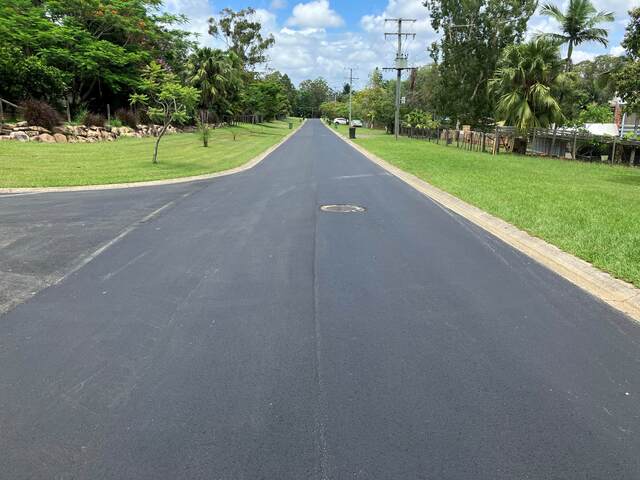
Local Governments certainly play a major role in regard to upkeep of local roads. Successful lobbying for additional Federal funding, particularly through the Roads to Recovery programs, has enabled Councils to carry out much needed upgrades based on local priorities. Professor Grzebieta believes we could go even further with safer roads by giving star ratings to our roads. This would put pressure on the other spheres of government in regard to the standard of various sections of their national and state highways.
Turning to the human factor, many Councils in New South Wales, through a joint program with the State Government titled Road Safety 2010, employ Road Safety Officers. For a number of years, these officers have worked with their local communities to develop a range of programs tackling specific behavioural areas identified as high risk in their community. They may target younger drivers, children or older pedestrians, people from non English speaking backgrounds, drink driving, speeding and so forth. The key here is a local approach to find solutions for local issues, backed up with appropriate funding from the other spheres of government. And another example of Councils playing a vital role in our communities.
Good luck for 2006 and stay safe.