
Four years on: How Lismore is building back and setting a national benchmark.
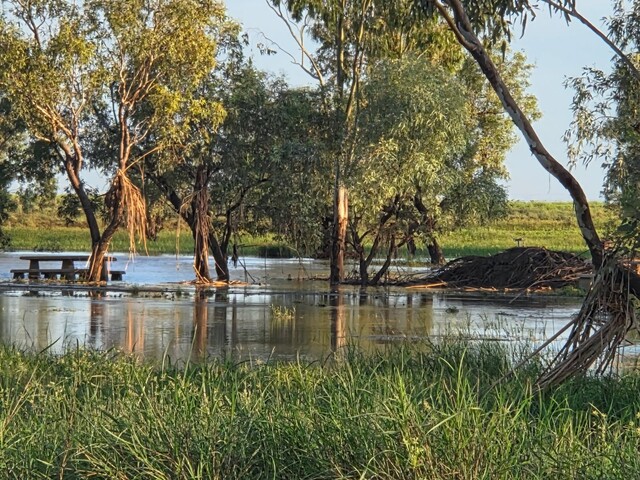
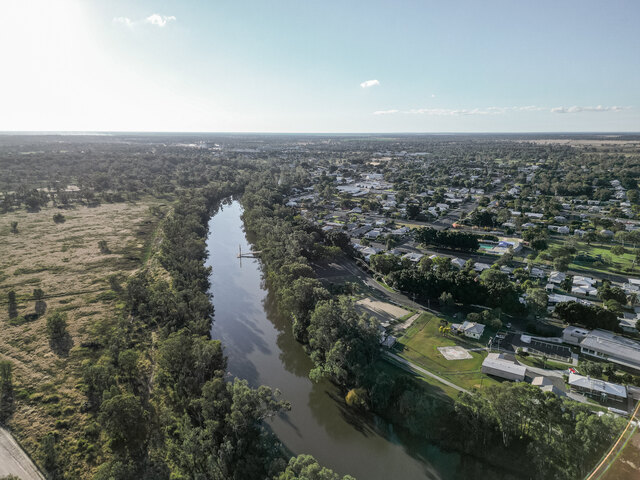
When the 2022 flood inundated Lismore, it was not simply another extreme weather event. It became Australia’s most significant natural
disaster in recorded history, devastating homes, businesses and critical infrastructure across the city.
Four years on, the defining story is not just about restoration. It is about reform.
Lismore did not have the benefit of a precedent.
Unlike in Queensland, there were no established guidelines or templates for a disaster of this magnitude. That meant Council had to develop the
settings as the work rolled out. In doing so, Lismore has helped reshape how large-scale recovery programs are structured, governed and
delivered, setting a new national standard.
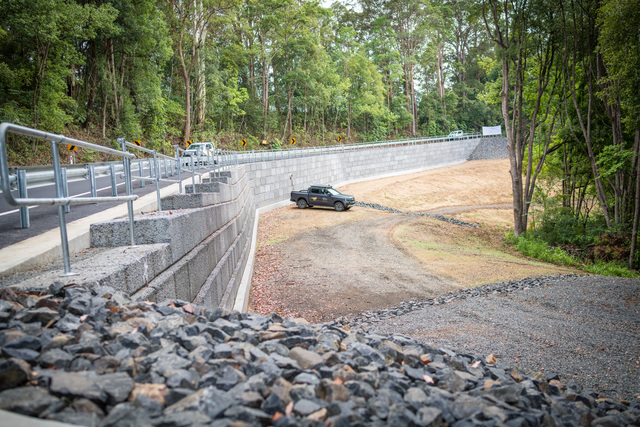
Since 2023, Council has been managing a $1 billion flood restoration portfolio spanning 338 projects, the largest capital works program ever
undertaken by a council in NSW and unprecedented nationally in a local government context.
The portfolio spans roads and bridges, landslip remediation, public buildings, and water and waste infrastructure. It is a complex program
typically associated with state agencies.
At the four-year milestone, 133 flood-restoration projects are complete, another 142 are in active delivery, 135 contracts have been executed,
and $145 million in works are underway. More than $200 million has flowed directly into local and regional businesses, supporting jobs and
economic recovery.
Administering a program of this scale required a fundamental reset of internal systems. Procurement frameworks were redesigned. Contract
management disciplines were strengthened. Risk oversight and reporting processes were recalibrated to align with the heightened scrutiny and obligations.
Importantly, these have not been temporary overlays.
The governance uplift required has been embedded into Council’s permanent operating model.
The result is award-winning practices and a regional council operating at a program management maturity level on par with major infrastructure
agencies.
Physical reconstruction has been equally deliberate.
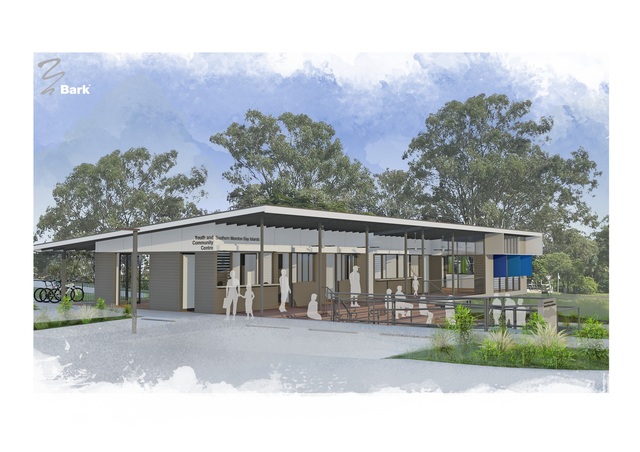
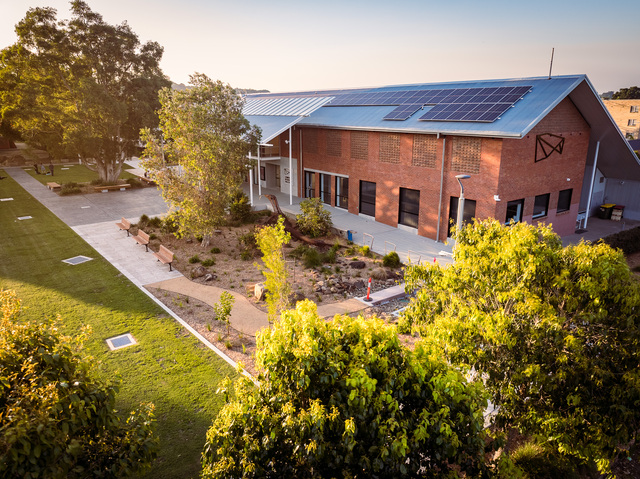
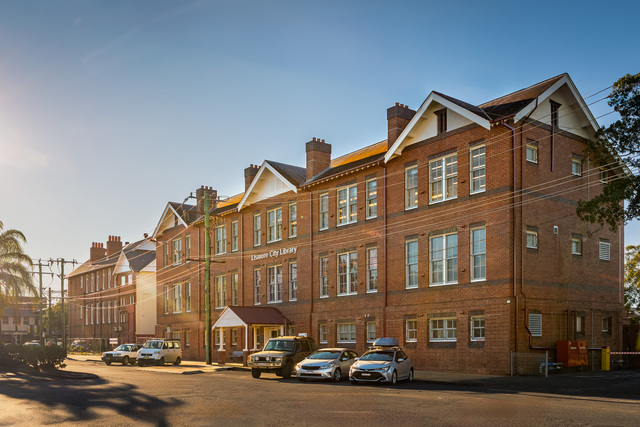
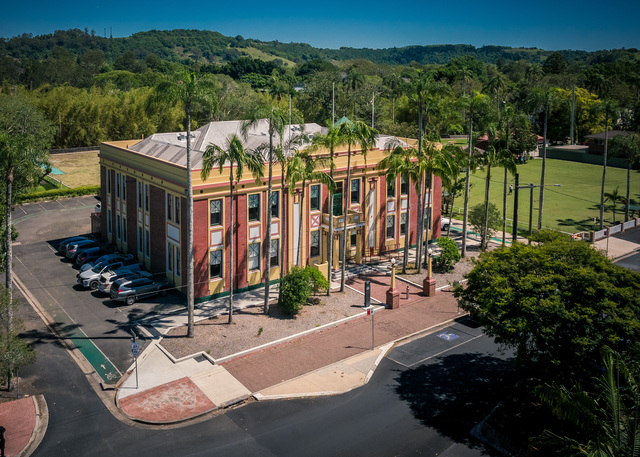
Key community assets have been restored with resilience upgrades designed to better withstand future events. Lismore City Library, Lismore
Memorial Baths, the Lismore Municipal Building and the Lismore Regional Gallery are once again operational, not just reopened but
strengthened by design.
Technology has been a practical enabler of this resilience shift. Council completed a new 10-kilometre fibre optic network to support remote
monitoring and operation of critical wastewater pump systems, improving response times and safety during flood events.
Flood monitoring cameras also now provide real-time visual updates, reducing unnecessary travel into high-risk zones and helping the
community stay informed.
Four years on, the lesson from Lismore is simple: when disaster strikes, rebuilding is only part of the task. The greater opportunity is to rebuild
institutional capability that underpins it. Lismore has done both and is ready for the future.