Home » French reforms enhance the power of Local Government

French reforms enhance the power of Local Government

Professor Jean Claude Lugan from the University of Toulouse in France is head of Social Sciences, and since 1977 has been Deputy Mayor of Figeac. As a visiting Professor at Swinburne Institute for Social Research, he recently delivered a paper titled ‘The New face of Local Government in France’.

He said despite political and administrative domination of the central state, traditionally Local Government in France is viewed very highly by the public.

“Even in these days of political disenchantment, public opinion polls show that, of all political mandates, the Mayor is most highly regarded, and it is generally agreed that elected local representatives perform the most useful roles,” Professor Lugan said.

He said Local Government or ‘communes’ remain the traditional preserve of local community cooperation and the main prize after Presidential elections.

At the time of the French Revolution in 1793 there were 44,000 communes based largely on the old parishes, in 2001 there are still a massive 36,000 (more than the total for all other European Union members). Some 80 percent of communes have less than 1,000 residents.

“All attempts to amalgamate communes have failed,” Professor Lugan said. “Thus, for 200 years the communes and state have been the two fundamental decision making poles on the French political map.”

If the strength of French Local Government was ever in doubt, in a nation of 61 million, there are no fewer than 500,000 elected members and some one million employees working at this level.

As encouragement, specific grants from the central government to ‘amalgamated’ communes has brought about some change in recent years. There are two forms of amalgamations possible – for the urban areas, communities of agglomerations, and in the rural areas communities of communes.

However, as local identity and representation remains as strong as ever in France, individual communes that have agreed to ‘amalgamate’ retain their own elected members and local administrations.

Professor Lugan said that the reform process has simply created new levels in Local Government, releasing new energies and expanding local initiatives.

“The increased number of levels and their growing powers result in projects being financed from different sources leading to constant negotiations between representatives in local, national and European spheres,” he said. “In a way problems tend to be addressed more at the local than the national level. The state is no longer the absolute centralised regulator.

“This process of amalgamation of communes, more than any other factor, is leading the way towards an increasingly autonomous Local Government administration and a new delineation of Local Government power.”

Digital Editions


  • Redlands on the runway to the Olympics

    Redlands on the runway to the Olympics

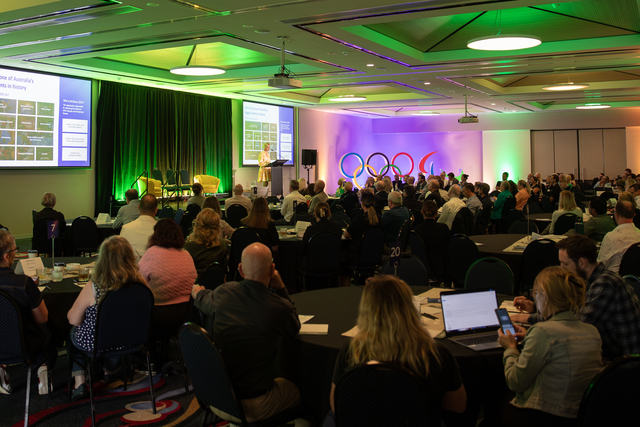
    Redlands Coast businesses and industry leaders have come together at a special event in Alexandra Hills to share ideas, network and forward plan for the…

More News

  • New paint technology at Alexandrina

    New paint technology at Alexandrina

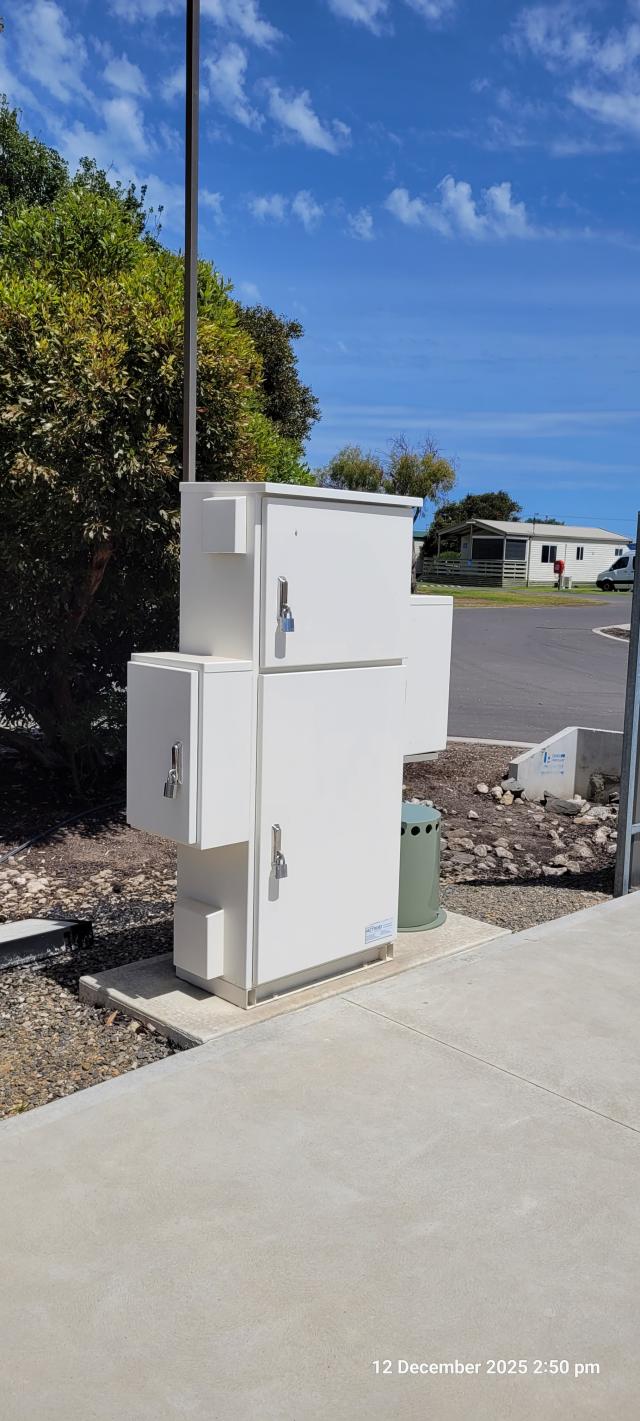
    A paint trial is taking the heat out of Alexandrina’s council infrastructure. Alexandrina Council’s Alexandrina Wastewater division is trialing new paint technology to cool down the temperatures inside cabinetry housing…

  • Rotary honours library employee

    Rotary honours library employee

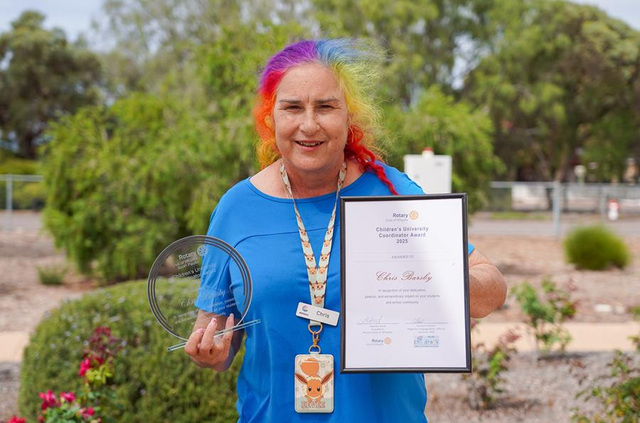
    Whyalla Public Library’s Chris Barsby has been recognised for her outstanding contribution to youth learning, receiving a Special Community Award from the Rotary Club of Whyalla. The award celebrates her…

  • Surfcoast Ecotourism champs

    Surfcoast Ecotourism champs

    Ecotourism Australia is proud to announce that the Surf Coast Shire has officially earned ECO Destination Certification, formally recognising the region’s adherence to global best practice sustainable tourism and environmental…

  • Special transformative project for Bayside

    Special transformative project for Bayside

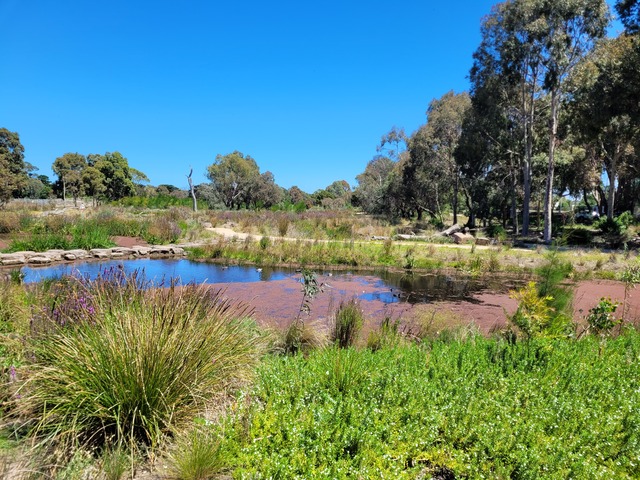
    In the northwest pocket of Bayside City Council’s municipal boundary, something very special is happening. Yalukit Willam Nature Reserve is a transformative project. The former golf course-to-nature reserve conversion is…

  • Big attraction for tiny town

    Big attraction for tiny town

    Dozens of tourists have created history as the first passengers in decades to arrive in the tiny southern Queensland town of Thallon by rail. Excited passengers travelled for hours on…

  • Together Butchulla Talk

    Together Butchulla Talk

    A new Indigenous book celebrating the Butchulla language and local animals was launched at Hervey Bay Library earlier this month with storytime, language, dance and art activities for families to…

  • New Logan arena

    New Logan arena

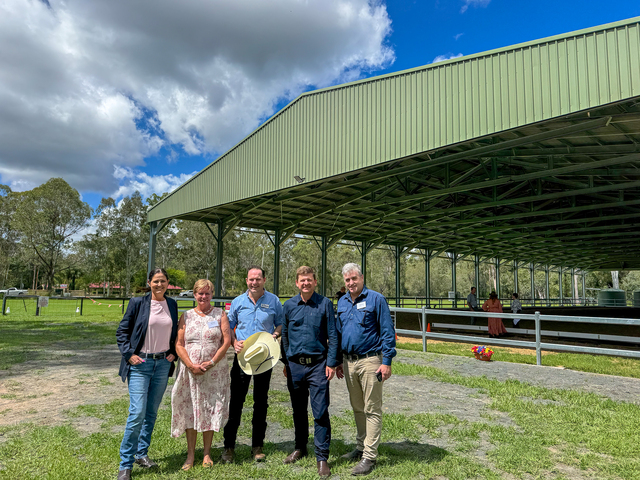
    An upgraded arena for equestrians has officially opened at Skerman Park in North Maclean. Logan City Council delivered the $928,000 project, which includes a weatherproof roof, to support members of…

  • Noosa mastering AI

    Noosa mastering AI

    Digital Hub is trying to help Noosa locals get the most out of AI. Mastering AI can make life easier in countless ways. From planning weekly meals with specific dietary…

  • Change in the weather

    Change in the weather

    AUSSIE FLOOD RESCUE It’s obvious to everybody that we are seeing weather changes. It appears to be more erratic and frequent than ever before. Local government bodies are plagued by…

  • Dandycon set to return

    Dandycon set to return

    Dandy Con, Greater Dandenong’s much loved comic and pop culture festival, returns on Saturday 11 April 2026 between 11am–4pm, bigger than ever. This free, all ages event fills Dandenong Library,…