The City of Marion has recognised the need to identify and manage the environmental aspects of its own activities by committing to the establishment of an Environmental Management System (or EMS).
“An EMS is a dynamic system based on environmental performance and criteria standards, and aims for continual improvement and a contribution to sustainable development,” said Brigitte Schulz, Environmental Management Project Officer.
“Council has implemented plans to achieve sustainable business practices in its work areas, and environmental performance standards have been established in all sections of operations, activities and services.”
Marion has recently completed a comprehensive corporate and community planning process.
“The EMS is a priority project of Council, and is embodied as a corporate strategy in Marion’s Corporate Plan,” said Mark Searle, Chief Executive Officer.
“The organisation is progressing towards an integrated approach to its management systems as part of its commitment to continual improvement.”
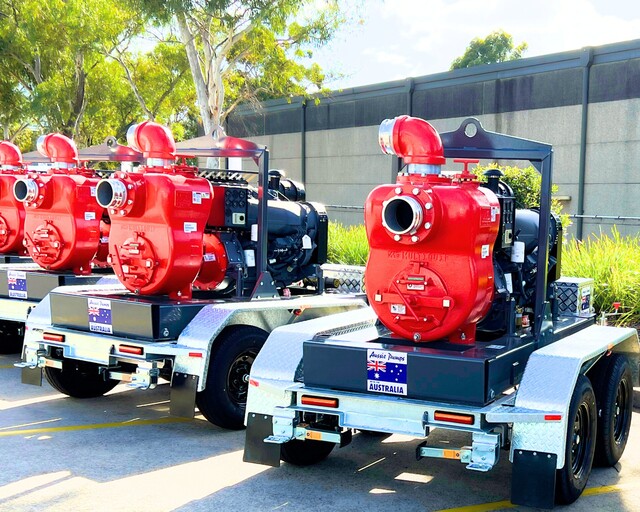
Works, Parks and Depot staff have played an important role in the development of the EMS. Initiatives they have developed include spill response kits on weed control vehicles, relocation of depot material storage areas, surfacing of the depot yard, sediment pits to reduce dust and stormwater pollution, and bunded chemical storage areas to contain any spills. A special suction unit has been purchased to capture runoff when cutting concrete and bitumen.
“The person who does the job usually comes up with the best suggestions,” Brigitte Schulz said.
“There are many cases of staff taking the initiative. For example, a natural hand cleaner is now used in the maintenance workshop area instead of a kerosene based cleaner.
“There have also been significant improvements initiated by staff at Marion’s commercial facilities. A state of the art acid storage shed has been installed at the Marion Golf Park. At the swimming centre, important improvements have been made to chemical storage facilities, and a public recycling program has been initiated.
“In total, over 60 actions have been completed as a result of implementing Marion’s EMS.
“The International Standard AS/NZS ISO 14001 is a recognised standard for EMS development, which Marion is following, and against which it has been recently accredited. The award is a special achievement it covers all Marion’s business functions and services.”
What does an EMS involve?
Implementation of the EMS involves the identification of the environmental aspects and impacts related to Council’s activities. Risk assessments are undertaken to determine the probability of undesired effects occurring, enabling aspects to be prioritised for corrective action and internal auditing purposes.
“Establishment of an EMS greatly assists in managing situations where an environmental offence may occur,” Brigitte Schulz.
“The EMS provides evidence through records and the documented system, that the organisation is controlling operations that could cause environmental harm.”
Environmental improvement plans contain the actions, timelines and responsibilities for addressing the identified environmental aspects and impacts relating to Marion’s activities, operations and services.
These plans are implemented and maintained by the respective business areas. Around 50 action items are currently being actioned across the organisation.
How is the community involved?
Marion’s EMS is focused on Council’s own services, including internal operations, contracting and lease arrangements. The ISO 140001 Standard requires an organisation to have systems and procedures in place for both internal and external communication.
The principle mechanism of ‘external’ community involvement has been through the Community and Corporate Planning consultation process, and the LA21 Environment Policy Advisory Committee. The Advisory Committee meets on a monthly basis and comprises both elected member and community representatives.
Council also has EMS procedures in place for receiving and handling environmental communications, complaints and non conformances. These may come from internal or external stakeholders.
What other partners are involved in the EMS?
The Environment Protection Authority (EPA) is a key stakeholder in the EMS. Where there are regulatory imperatives, site management plans and improvement programs are developed in consultation with the EPA.
Exemptions may be sought from the EPA when undertaking voluntary internal audits. The EPA and other regulatory bodies are also involved in licensing and monitoring activities. Contractors for goods and services are involved in Council’s EMS through purchasing and procurement arrangements.
Provisions for improving environmental performance are in Marion’s contracting and purchasing conditions, and apply to all relevant conditions of contract, contract specifications, consultancies, tender documents and lease arrangements.
What methods are being used to review, monitor and evaluate the efficiency and effectiveness of the project/initiative?
The EMS is currently evaluated both as a stand alone process and is being integrated into Council’s overall review and evaluation processes for its corporate and business planning. There is an annual management review of corporate planning environmental objectives, strategies and targets to the documented system.
Operational objectives and targets are periodically reviewed and updated in accordance with the ongoing maintenance of the Environmental Management Plans.
What results have been /or will be achieved?
Over 60 actions have been completed as a result of implementing Marion’s EMS, representing a range of initiatives from all areas of Council’s operations and services. Some examples include the following.
- Improvements to operations and services to minimise any environmental impacts
- Purchase and/or installation of environment protective equipment, such as bunding and spill kits
- ‘Housekeeping’ improvements and clean up procedures
- Monitoring and measurement of soil, water and air quality, and noise
- Establishment of procedures and registers and checklists
The greatest challenge for establishing an EMS is to create an environment where change can occur and be accepted, and to obtain the commitment and participation of staff at all relevant levels, organisation wide.
Some essential elements are senior management commitment and involvement of staff in problem solving and decision making. An ongoing challenge will be to maintain this commitment.