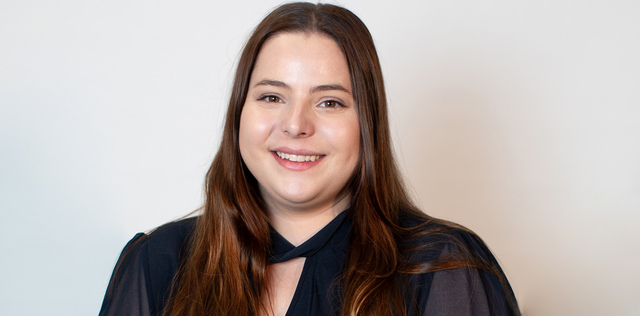
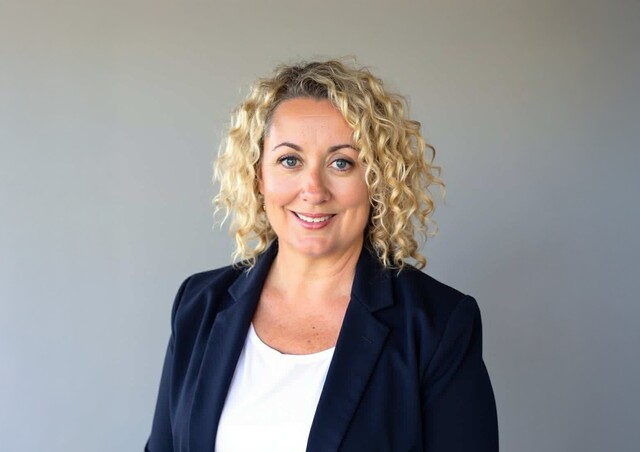
With its conference titled ‘Future Shock – Tasmania Towards 2020’, keynote speaker at Tasmania’s 91st Local Government Annual Conference, Dr Natalie Jackson, left delegates in no doubt that all regions need to be planning and preparing themselves for the shock waves of a ‘demographic roller coaster’. A lecturer in Social Demography at the University of Tasmania, she said to some extent the future has already happened, the ageing of our population began many years ago.
Using Tasmanian statistics, currently there are 65,000 people aged over 65 years and 94,500 aged less than 14 years. By 2020, these figures will be 100,000 and 81,500 respectively.
“Around 2014, we will have more older people than children,” Dr Jackson said. “Achieving population growth will become increasingly difficult as the birth rate continues to drop. Replacement migration will not solve the problem.”
She said that all States in Australia are facing the same dilemma, however, in Tasmania’s case, already having the nation’s second ‘oldest’ population, it is expected to overtake South Australia and become the ‘oldest’ State next year.
“Although economies need an increase in population to sustain growth, our economy will not die,” she said. “A greater proportion of older people will generate a whole new industry. As the baby boomers reach retirement, they will in many cases be wealthier and healthier – more women in this generation have worked, people have generally planned for their retirement and they intend to make the most of it. This will create a range of new jobs for our young people.”
However, she added that it is predicted one in four older people will suffer some form of dementia creating additional pressures on aged care and health services.
“There will be opportunities and problems associated with these changing demographics and it is vital that they are identified and planned for,” she said. “For example, unemployment rates will drop with less young people entering the workforce compared to those retiring. This will lead to regions and nations having to compete for both skilled and unskilled workers.
“At the same time, Local Government must be prepared for additional costs in aged care. Current funding models will become even more inadequate, and the spread of ageing will differ markedly from area to area. Tasmania will not be alone in this. Half of Australia’s Local Government areas will have suffered population decline by 2020 and have a larger number of older people.”
Dr Jackson highlighted the following points.
- The world’s population is expected to peak at eight billion by the middle of this century. It will begin to decline rapidly after this.
- Many developed nations are already in decline with their falling birth rates not replacing those dying. Developing nations are slower in this regard but will begin to lose population by 2050. By 2100, the world will be in absolute decline.
- Australia currently has a net migration of 110,000 people per annum. By 2050, we will need at least 300,000 per year to offset natural decline. However, skilled migrants are not having as many children, so are not adding to the population. They will also age and add to the proportion of older people.
“In Tasmania’s case, things will be worse,” Dr Jackson said. “With more people leaving than coming here, we must stimulate migration as a natural increase is just not going to happen.”
She said that over the last 20 years, Tasmania has lost 24,000 people aged between 18 and 34 years. The State has also lost the children they would have had. This age group is vital to the local economy because they will have the children, buy houses and so forth.
Dr Jackson said that Tasmania has the opportunity to head Australia in developing strategies to address this demographic roller coaster. She advocates an ABC approach – Accept, Buffer and Celebrate.
“Celebration is because, for the first time in human history, we will not have to be investing dollars and resources to meet the needs of more and more people, but will be able to invest more and more to improve the quality of life for the people we already have,” she said.