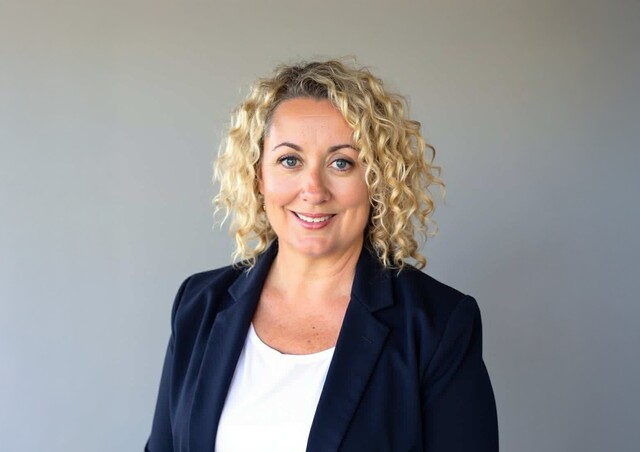
A regular feature, this month we have interviewed two Councillors from the Northern Territory
Mayor Rod Swanson, Tennant Creek Town Council, Northern Territory
Q. How long have you been on Council?
I am the newly elected Mayor for Tennant Creek. This is my first term on council and I am only the third Mayor to be elected. Each of the previous Mayors, Alf Chittock and Paul Ruger, completed 12 and 16 years respectively. I look forward to the challenge of holding this office in such esteemed company.
Q. Tell us about yourself?
I was born in Adelaide in 1949. I have been married to Cheryl for 35 years and we have three adult children, Aasta, Chantel and Marc. I have an accounting background and have held senior management positions within the automotive industry throughout my career.
We moved to the territory in 1987 and located in Tennant Creek to take up the opportunity of becoming involved in private enterprise. In the past 17 years, we have run a very successful service station and automotive parts business and have enjoyed our involvement in every aspect of community life in the town. I am a past president of the Tennant Creek Swimming Club, the Tennant Creek Athletics Club, Tennant Creek Speedway Club. I am active member of the Tennant Creek Golf Club.
Q. Tell us about your community?
Tennant Creek is situated in the centre of the Northern Territory. Our nearest neighbours are Alice springs 505 kilometres to the south, Katherine, 600 kilometres to the north and Mount Isa, 600 kilometres to the east. The population of Tennant Creek is approximately 3,500, but increases to 4,200 during the dry season. A significant proportion– about 51 per cent – are Indigenous people.
Tennant Creek is the hub for the Barkly Region and the cattle industry is an integral part of the area. As we have no industrial or manufacturing base, we rely heavily on tourism and economic development initiatives by the Aboriginal Corporations to progress our town into the future.
Q. What is the most important issue facing Council?
The most important issue in our area is government funding. The town Council raises 56 per cent of its total revenue from rates and charges and this is far higher than the national average for councils. The economic development of the Aboriginal Corporations together with a rationalisation of service providers will be paramount to the prosperity of the town in the future.
We, like most councils in the Northern Territory, grapple with a number of social issues that create a misconceived image of our town. We are currently involved with community harmony projects that will address these problems. The mining industry, which for years has been in decline, is now showing signs of improvement and will again contribute to the town’s economy.
Q. What are most important features of being a Councillor?
Accessibility, making sure that you are available at all times to listen to the concerns of members of the community. A good understanding of Local Government and communications skills are also very important. Recognition of the time required to be committed to your role is essential.
Q. What are the major developments for your area?
From a town Council perspective, the introduction of a Council Plan, a Business Plan and a full set of corporate documents were significant developments. The increase in mining activity is very encouraging for the area. Bootu resources which will mine manganese just north of the town expect to extract 500,000 tonne of ore per annum for the next ten years. Rationalisation of service providers and partnership agreements with Aboriginal Corporations are currently being considered for the region’s development. The completion of the rail to Darwin, passing through Tennant Creek is beginning to bring rewards to the town’s economy.
Councillor Veronica Birrell –Nyirranggulung Mardrulk Ngadberre Regional Council, Northern Territory
Q. How long have you been a Councillor?
I have been a Councillor for 12 months having previously been on the steering committee for the Council for seven months. Council was gazetted on 1 July 2003 incorporating the communities of Wugularr, Barunga, Manyallaluk, Mardrulk, Werenbun and Jodetluk.
Q. Tell us about yourself?
I came from a European and Aboriginal family. I lived in Barunga and was educated in Katherine and Adelaide. I have two sons, a daughter and now one grandson. For years, I was a housewife and travelled with my partner through the top end. When we settled down to raise children, I was employed by an Aboriginal community as a bookkeeper and then moved to Wugularr. I started a feeding program for young children in Wugularr and this work was eventually noted by the Fred Hollows Program. I am currently doing a course in management to expand my role at the Council.
Q. Can you tell us about your Council?
Council has 30 contract staff and 284 people employed under the Community Development Employment Program. We have a population of 1,750 in an area of 28,700 sq kms. When the regional council was elected, it used traditional culture to make the Council stronger; made sure Aboriginal people worked with non Aboriginal people as equals in making decisions; worked to give children the skills they needed to be part of outside society; helped start businesses in the region and made our society stronger and safer by making culture stronger.
Q. What challenges have you faced in Local Government?
Housing is big challenge. Planning has started to develop a Nyirranggulung housing organisation. This will have more power to get positive things done. Countrymen will have a big say in seeing that resources are fairly and efficiently distributed and that there will be a better level of housing – in line with socially and culturally important matters. For this to work the people will need to learn more about housing issues.
Q. What are important issues to you?
I think the key challenge facing the area is reconciling Indigenous and non Indigenous laws. This is a difficult area to work on. Improving the quality of life, of each individual countryman is also vital.
Q. What are the key aspect of being a good councillor?
There is a need to communicate with people in all walks of life. I went to an Indigenous conference a while ago. People from other countries and all parts of Australia spoke. A lot of the time they were saying the same thing – but in different ways. They were saying that is that for any Indigenous movement, like Nyirranggulung, to work properly, it has to have what is called cultural match.