SA Councils bite the bullet on financial sustainability
Responding to a spate of inaccurate reporting by some media, in February this year the Local Government Association of South Australia (LGASA) established an independent board of inquiry to investigate the financial sustainability of Local Government in South Australia. The inquiry considered external impacts on Council resources, including the fairness of Federal grants, the cost of Council services and infrastructure and possible alternative funding sources.
In announcing the inquiry last February, LGASA President, Councillor John Legoe, said it was important to focus on the real issues and not be distracted by inaccurate reporting repeating myths, such as ‘windfalls’ which are not legally possible under the current Act.
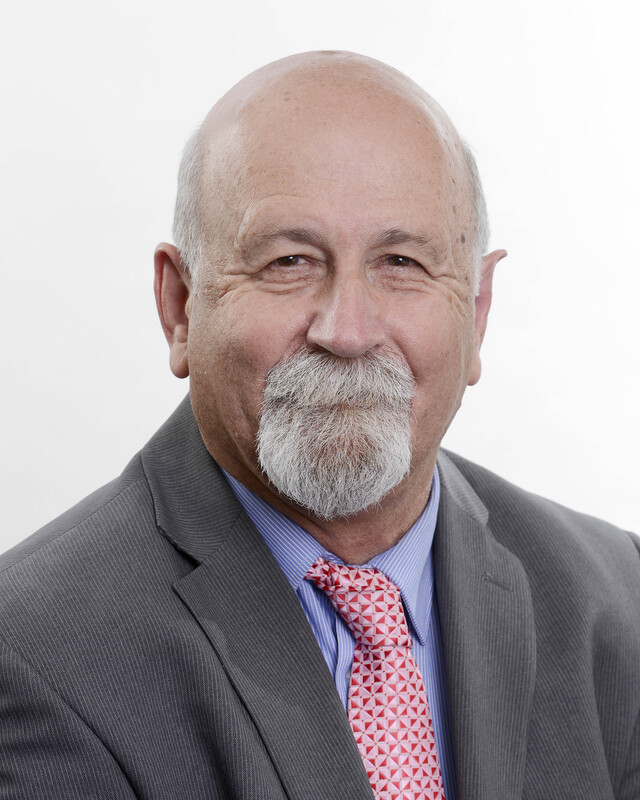
The Financial Sustainability Review Board was established comprising three members. The Chair was Bill Cossey, a former public servant who has held executive management roles in various South Australian Government Departments. The other board members were Juliet Brown, President of the Royal Automobile Association of South Australia and Wayne Jackson, former Australia Football League CEO.
In releasing its findings on 17 August 2005, Bill Cossey said that SA Councils manage almost $10 billion of community infrastructure and more than $1 billion worth of services each year, and other governments are increasingly relying on local advice from Councils.
“Local Government is vital to the future of this State,” Bill Cossey said. “On a range of indicators, it is in the order of 15 per cent of the size of the SA Government.
“We were interested in this challenge – particularly as we understand this to be the first time in Australia’s history that the Local Government sector has commissioned such an inquiry. None of us had previously had any direct involvement with Local Government so we were not sure what we’d find and Local Government had no idea what we’d say!
“In our observations over the six months, we saw no evidence to suggest anything but the utmost dedication to community from more than 8,000 paid employees and some 750 unpaid elected members of SA’s 68 local Councils. We did find some did not have a clear long term understanding of where their policies will lead but we also found that many of the stereotypes of Local Government in the media are incorrect.”
He said that Councils are not flush with funds as a result of windfalls from property valuation growth, that Councils have not reaped windfalls in the same way as the State Government had with land tax.
“The majority of Councils are running deficit budgets, which means they do not have enough money to pay for the services they are providing and to renew the local roads, footpaths, sporting facilities, libraries, storm drains and other infrastructure on which communities rely,” he stated.
He said if this continues communities will face very tough choices in the medium term – substantial cuts to services, substantial rises in Council rates, or hand the infrastructure to our children in a dilapidated state. He added Councils rely heavily on support, leadership and funding from other spheres of government.
“We agree with the Federal Government’s Hawker Inquiry that they have been let down in many ways,” Bill Cossey said. “Our Councils do not get a fair share of federal funds and they get the lowest per capita State grants of any mainland State. But Local Government must take responsibility for its long term sustainability. In our view it can because a number of Councils – both in metropolitan and country South Australia – are doing well already. We have provided a path through our 62 recommendations.”
Recommendations include that Councils need to move beyond a one year horizon – not simply by having a strategic plan but by ensuring it is linked to annual budgets and that progress can be tracked. They need to set long term financial targets for management. They must also help the community better understand their position, the financial consequences of new service demands and of neglect of infrastructure. Councils’ extremely low debt levels are not serving future generations well in relation to decaying infrastructure and we believe prudent borrowing for this purpose is justified.
“In SA, State and Local Government have a sound working relationship but we did not see a clear vision as to where this relationship is leading,” Bill Cossey said. “State and Local Government should build on current approaches to explore more dramatic changes to responsibilities to deliver greater effectiveness for communities – and to gain more Commonwealth involvement. Local Government was very brave in commissioning our Inquiry. It is now up to Local Government to show similar courage in its response.”
Copies of the report Rising to the Challenge – Towards Financially Sustainable Local Government in South Australia can be found at www.localgovinquiry.net.au