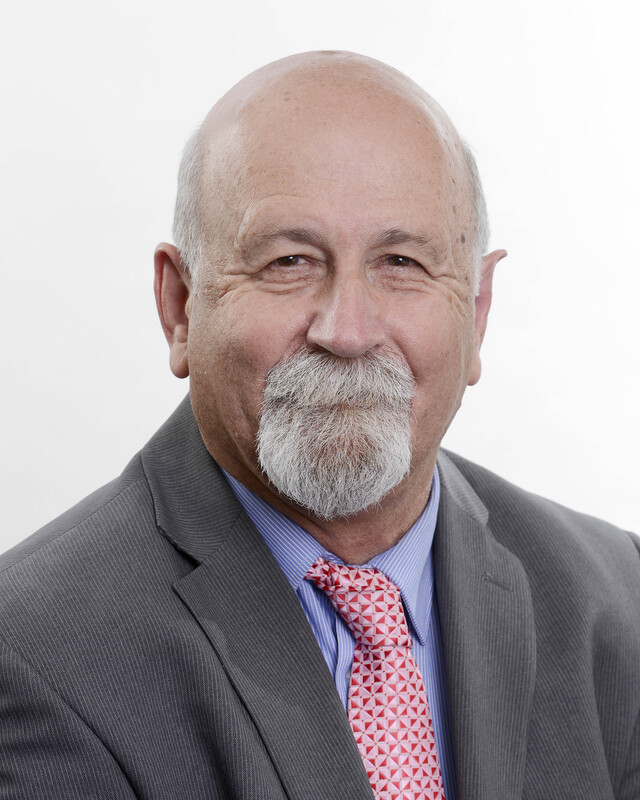
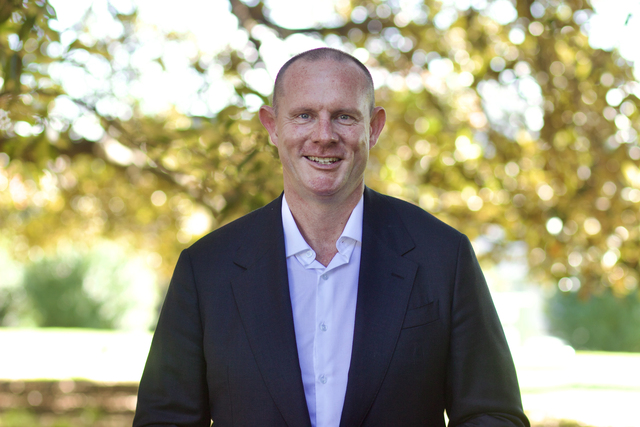
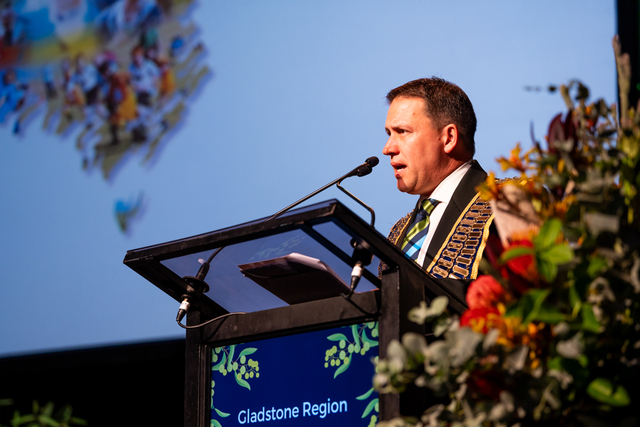
In each edition we feature the views of a Local Government Association President. The following is from Mayor John Rich, President of the Local Government Association of South Australia.
Getting the relationships right between Local, State and Federal Governments is fundamental to servicing local communities. I am proud of the way that SA Councils and the LGA have established and are managing the State/Local relationships agenda. The maturity of our relationship with our State Government was recently demonstrated by the signing of an historic agreement with the State, indexed for 30 years, to address stormwater infrastructure issues together.
SA has a State/Local Relations Agreement which sets the framework for how we work together. It requires consultation on legislation impacting on Local Government prior to introduction into Parliament, clear statements in the State Budget about the financial transfers between State and Local Governments and a schedule of key annual priorities. Some of these priorities are stormwater infrastructure, governance arrangements in Councils, environmental and social issues. I now want to really push the envelope with the Government to better manage State/Local financial relationships.
Our State Agreement is a key reference point for the work of our Minister’s Local Government Forum, chaired by the State/Local Relations Minister, comprising four other Cabinet Ministers and five LGA representatives including myself. Like most agreements and structures, when an issue arises and State Government is wanting to partner with Councils we get bogged down in debate and discussions about fair funding and cost recovery. There just hasn’t been an appropriate set of principles and processes about how we determine whose responsibility it will be to fund a service, how we arrive at fair arrangements for sharing costs and so on. This is a clear agenda for our LGA this year.
I congratulate Councillor Paul Bell on the signing of the Federal/State/Local intergovernmental agreement.
It will assist us, together with our State agreement, to negotiate a ‘fair share’ and better outcomes for our communities.
In 2005 our LGA initiated an independent inquiry into financial sustainability of Councils, and it reported in August. One of the 68 recommendations from the report was for Councils to adopt a funding policy. The policy would guide decisions regarding services provided and whether services should be ‘user pays’ or funded by rates or other sources. Implementation of this recommendation alone is central to getting financial matters better sorted with the State and Federal Governments.
We are coming up to our ‘rating season’. Most people don’t like paying taxes. Our research tells us that there has been a 75% reduction in complaints to radio about Council rates over the past 12 months; and more Councils are offering relief for those who are struggling to pay their rates.
There are a number of tools available in our State Act to assist Councils to manage fluctuating valuations and many of our Councils are applying a rate cap. We thankfully have had a Government and Parliament (to date) that respects that rates are a local taxation issue that Local Government must manage and deal with.
New legislation in SA will require Councils to consult with our communities on annual budgets and rating proposals prior to setting rates. Despite extensive efforts by many Councils to consult ratepayers we still get low turnouts at public meetings and low numbers of submissions. The media continues to suggest that Councils (or their administrations) make decisions with very little regard to community views.
Makes you question whether the media ‘beats up’ on this issue and makes a story out of a tax that the majority of the community is willing to pay, especially when independent surveys indicate a different story. The media must be as accountable as they expect Councils to be.
With four year terms coming into operation at the November elections, some of our experienced, long standing members are likely to reassess whether they wish to continue. This is an exciting time for people to enter Local Government and we will probably see a number of new members. We are focusing our promotions on targeting young people, women and other underrepresented groups. We all know that one of the great strengths of Local Government is that it can get communities engaged and we do know where our rates are to be spent. Our interactions with our residents and ratepayers paint the real story of support for what we do.
The new intergovernmental frameworks at the State and Federal levels if used wisely by us all will set the scene for a stronger, more dynamic and focused relationship between all our spheres of government.
I believe that all spheres of government are now starting to talk the same language. Intergovernmental agreements place a level of accountability on all governments to work towards delivering real benefits to communities. I’m optimistic about the future.