Home » Future directions in environmental management

Future directions in environmental management

An interview with Adele Gliddon, Environmental Health Officer at the City of Launceston in Tasmania

There have been many changes in the environmental health field since I commenced my career in Local Government in 1975. At that time I was employed as an Administration Officer with the Westernport Health Group (Shire of Phillip Island and Shire of Bass). I undertook environmental health studies and then acted in a part time capacity in the environmental health area.

In 1986, I accepted a position with the Launceston City Council and was ultimately appointed Departmental Manager. Launceston City Council, Environmental Services Department has 15 people when fully staffed as well as a part time immunisation team. Managing this team within budget and ensuring that the activities are coordinated to fulfil the commitments toward implementation of the Council’s Corporate and Annual Plan is always an interesting challenge. I believe that the key factors involved in ensuring the success of any Local Government area are communication and involvement of the team as a whole in decision making processes.

The Tamar Valley has a major seasonal air quality problem primarily due to the use of wood heaters during the winter period. This was identified in the late 1980s. A cooperative approach between all levels of Government – Commonwealth, State and the Councils of the Tamar Valley has seen improvement over the past four years, but there is still a long way to go before Launceston and the Tamar Valley reach the National Environment Protection Measure – Air Quality.

Community education programs conducted since 1990 have had a positive effect in raising the community’s awareness, but targeted education has been particularly effective, especially when linked to a Commonwealth funded program of subsidy to replace old inefficient wood heaters.

The air quality issue is complex and consideration must be given to socioeconomic conditions as well as health and environmental impacts. Cooperation of all the agencies is imperative if the NEPM standards are to be met. The Launceston community, indeed all communities, are now more aware of the adverse health effects of environmental pollution and the work load for Local Government is sure to increase as a result. Communities want, and indeed deserve, clean environments.

In these difficult times, there are the added pressures of the ageing workforce and recruitment difficulties. These issues are sure to become critical in the rural and regional areas where recruitment is generally more difficult. One of the ways in which this may be overcome is to provide training pathways for local people in a format which allows for part time distant education and employment opportunities.

Digital Editions


  • Stretching for a good cause

    Stretching for a good cause

    Ballarat residents stretched, smiled and snuggled their way through a unique Kitten Yoga event that combined relaxation with a heartwarming cause – helping kittens find…

More News

  • Kylie Davies beats strong field

    Kylie Davies beats strong field

    Flinders Shire Council is pleased to announce the appointment of Kylie Davies as its new Chief Executive Officer. Ms Davies will start in the role on 13 April following a…

  • Leaving on a high

    Leaving on a high

    Mount Alexander Shire Council’s Chief Executive Officer Darren Fuzzard will end his tenure at the council in July 2026, marking ten years of service to the organisation and community. Mr…

  • Safety first for transport corridor

    Safety first for transport corridor

    Traversing a major Townsville transit corridor spanning three suburbs will soon be safer for motorists, cyclists and pedestrians, with Townsville City Council commencing a $3.8 million upgrade of Hugh and…

  • Creating long-term employment pathways

    Creating long-term employment pathways

    The Shire of Carnarvon is creating long-term employment pathways and strengthening workforce capability through its participation in the Remote Jobs and Economic Development (RJED) Program, a national initiative designed to…

  • Cool summer plan for Campbelltown

    Cool summer plan for Campbelltown

    Extreme heat is the biggest killer of natural disasters in Australia, exceeding that for any other environmental disaster combined, including floods, storms, bushfires and cyclones. While high temperatures pose risks…

  • Bathurst has it’s scrap together

    Bathurst has it’s scrap together

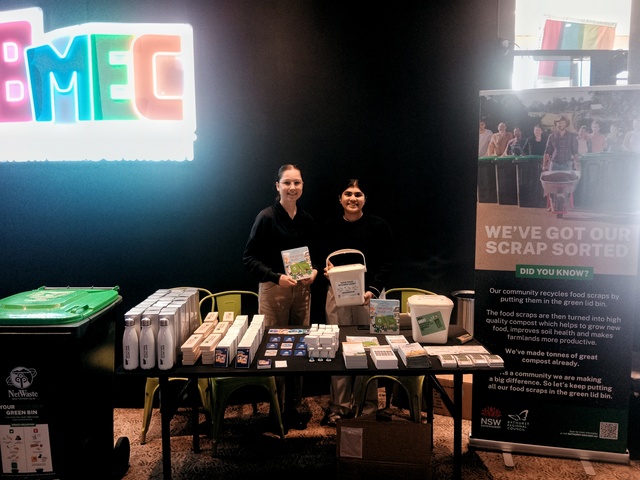
    Bathurst Regional Council has successfully concluded its ‘Let’s Get Our Scrap Together’ campaign, launched on 1 September 2025 with funding from the NSW Government and delivered in collaboration with NetWaste…

  • Baw Baw acting CEO tenure extended

    Baw Baw acting CEO tenure extended

    Baw Baw Shire Council has extended the contract of Acting Chief Executive Officer Sally Jones until 30 June 2026. The matter was considered as a confidential item in the late…

  • Farewell to a much-loved bridge

    Farewell to a much-loved bridge

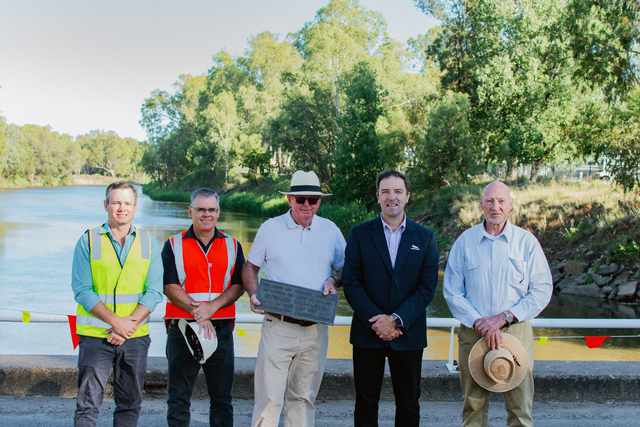
    Narrabri Shire Council hosted a special community farewell event in mid-January, Brekkie on the Bridge, ahead of the upcoming demolition of the Violet Street Bridge. The event brought together community…

  • Toolkit provides resources for staff to live values

    Toolkit provides resources for staff to live values

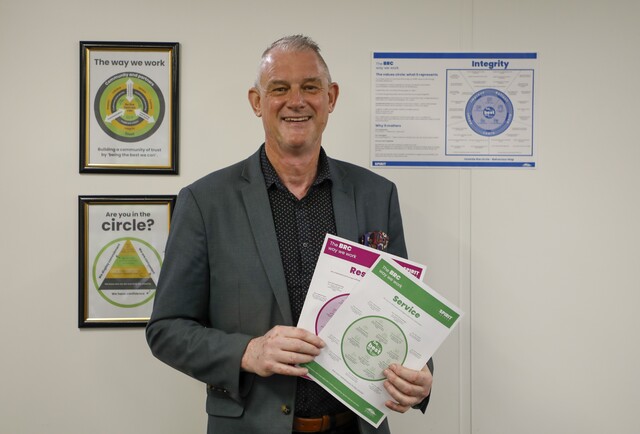
    Organisational values are at the core of every workday and task and Bundaberg Regional Council has developed a practical tool kit to support its workforce and promote its values. The…

  • New system for Blacktown

    New system for Blacktown

    Blacktown City Council has launched DAISY, a new digital planning assistant designed to help residents better understand planning requirements and prepare residential development applications. DAISY, which stands for Development Application…