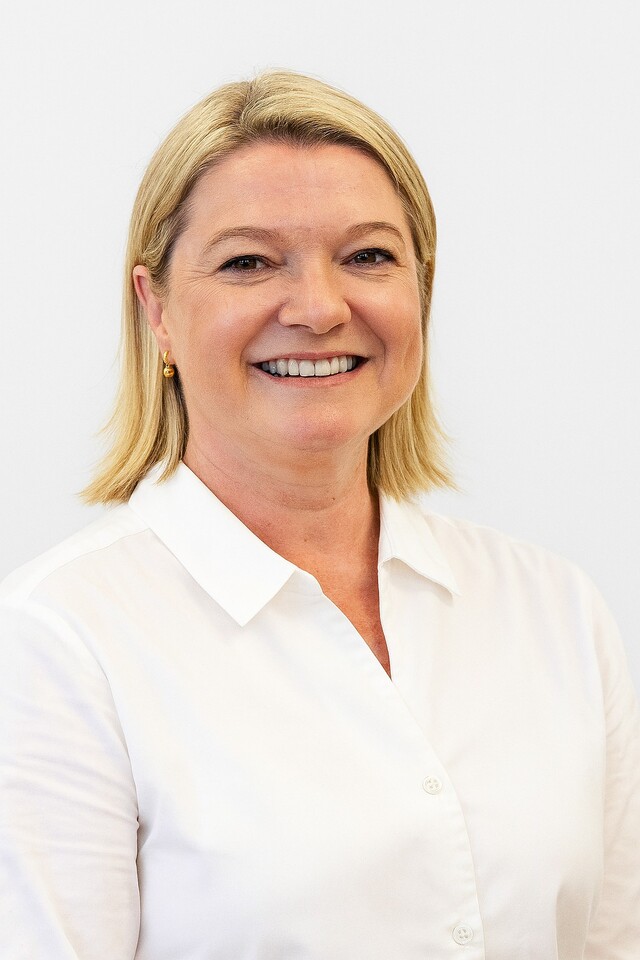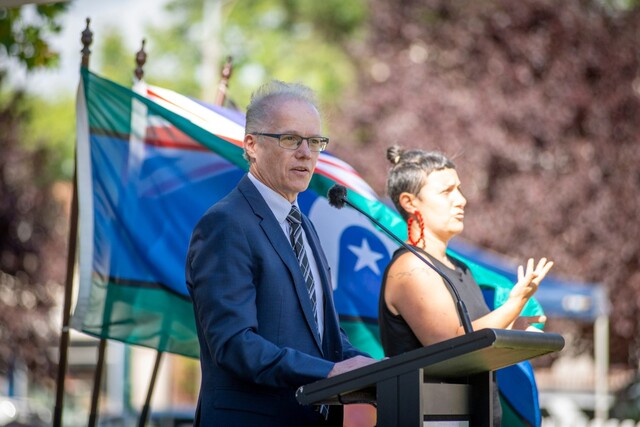
In each edition we feature the views of a Local Government Association President. The following is from Councillor Bill Mitchell, President of the Western Australian Local Government Association.
Through a combination of decades of cost shifting, inequitable funding and increasing infrastructure demands, Local Government across Australia faces the challenge of remaining sustainable. In Western Australia, this is exacerbated in that we are the only State not to have undergone a comprehensive review process, however this is changing.
As a State Association we have commissioned the first independent study into sustainability into the sector in Western Australia. Already preliminary reports from the Systemic Sustainability Study have predicted significant shifts in the demographic composition of many Local Government areas that will have far reaching implications for how Councils serve their communities in the future.
In all, 79 of the existing 144 Local Governments in Western Australia will have to significantly change the mix of services they offer the community over the next 15 years as a consequence of population changes.
The key population changes that will affect Councils involve ageing and centralisation. In addition for the need for many Councils to reconsider their services offered, population change will also have an effect on the revenue generating capacity of 106 Councils or 74 per cent of all existing Councils.
Most of the change to revenue generating capacity is positive with 88 Councils predicted to experience an increase in their capacity for sustainable service delivery. While the other 18 Councils affected will find their capacity to generate revenue challenged as a greater proportion of their population falls outside of income earning ages.
It should be recognised that the capacity to generate revenue should be considered against changing service needs. For example, a Council with a greater proportion of retirees would expect to have less demand to provide childcare services but may have greater requirements in other areas.
It all comes back to Councils managing for change, which includes the impact on earnings, identification of future income streams and service requirements.
As the representative body of all Local Government in Western Australia, WALGA does not support forced amalgamations of Councils. Not because we fail to recognise amalgamation as an option but rather that it should be up to the respective communities to determine the form they believe is most suited to their circumstances. We would expect any community, that after a comprehensive review found amalgamation was their most viable option, would make the leadership decision to ensure the future viability of their community.
WALGA does not support forced amalgamations because the Association believes in the professionalism of its member councils and that they have the best interests of their communities at heart.