2006 has seen a number of firsts for Local Government as well as ongoing challenges. The following summarises our opinions on how Local Government continues to step up to the mark.
March – financial sustainability
Following South Australia’s Local Government Association Inquiry into the financial sustainability of its member Councils, the Local Government and Shires Associations of NSW has just released similar findings from its inquiry. It points to an unsustainable future for more than a quarter of the 152 Councils in NSW under current policy settings. President of the NSW Local Government Association, Councillor Genia McCaffery, said that this inquiry has confirmed their worst fears about the inadequacy of Local Government finances, the infrastructure gap, cost shifting and rate pegging. Hot on the heels on the South Australian findings, this scenario is being played out across the nation. A fair share of taxation and the end of cost shifting cannot be delayed any further.
May – Councils and communities join forces
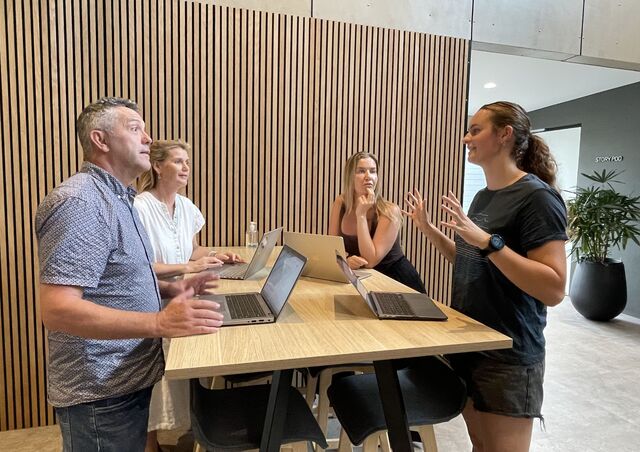
Councils are turning to their greatest resource – their citizens. Talking to the community about their priorities and working through the constraints (usually financial) as well as various opportunity scenarios, helps residents understand the pressures Councils are working under. Added to this, Councils are well aware that local community members are the same constituents for the State and Federal spheres of government, and their greater understanding of the current financial/tax sharing arrangements may well start to reverberate through the ballot box.
June – better funding for remote Indigenous communities
The Local Government Association of the Northern Territory (LGANT) says the current funding formulae discriminates against the smaller States, especially the Northern Territory. As a modern first world country, a country that is fulfilling a vital role in assisting a number of our near neighbours, as they recover from natural disasters or address political unrest, the right of our people living in remote Indigenous communities to share in all the advantages this great nation has to offer can wait no longer.
July – avoiding too many grants with strings attached
Councils need to avoid the trap of becoming too reliant on grants, particularly where there are strings attached. Getting serious about long term financial planning and investigating options for alternative sources or revenue is more important than ever. Councils working with other stakeholders and in particular the local community will result in inkind support, as well as a greater understanding about setting priorities and working cooperatively to achieve goals.
August – water recycling
Toowoomba City Council undertook extensive community consultation to look at alternatives for addressing its protracted and worsening, severe water shortage. Although the majority of its residents were not yet ready to include recycling wastewater into their drinking water, Toowoomba’s recent referendum certainly put the issue of the need to conserve water, and the reuse of waste water, firmly on the national agenda.
September – Councils employers of choice
In spite of recent examples of some over zealous employers pushing the new Work Choices legislation to extreme lengths, the fact remains it is fast becoming an employee’s marketplace. As such, it will be the employers that look after, nurture and encourage their staff – through worklife balance programs, capacity building and mentoring, career path design and so forth – that will sought after as “employers of choice”. Employers who take their workers for granted will soon find it very difficult to recruit.
October – Local Government peak bodies
Councils need to be positioning themselves for greater attention through accurate and detailed data collection, having in place long term strategic plans covering asset management and infrastructure renewal, demonstrating sustainability across their operations, developing partnerships and resource sharing both within Local Government and other local stakeholders, sharing their good ideas, being an employer of choice, working in close collaboration with their local community and more. Although this is a daunting list, Councils are not on their own. At the state and national level, Local Government peak bodies, representing both elected members and professional groups, are combining their resources to assist Councils to achieve the above.
November – planning issues
Time and time again, the other spheres of government agree that Local Governments are best placed to work with their communities to decide local priorities and shape their own destinies. Yet it is in the area of planning that State Governments are most likely to throw this aside in favour of their own development agendas. Councils must stand firm and, working with their communities and other local stakeholders, continually press home the point that the same constituents who elected them will also be deciding the fate of State MPs.