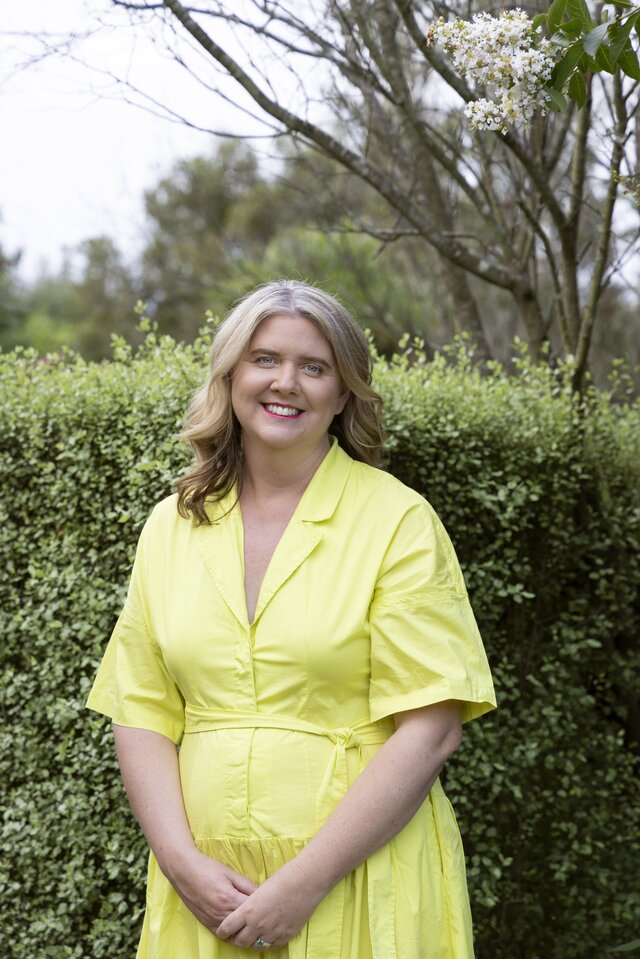
By Kerry Fallon Horgan*
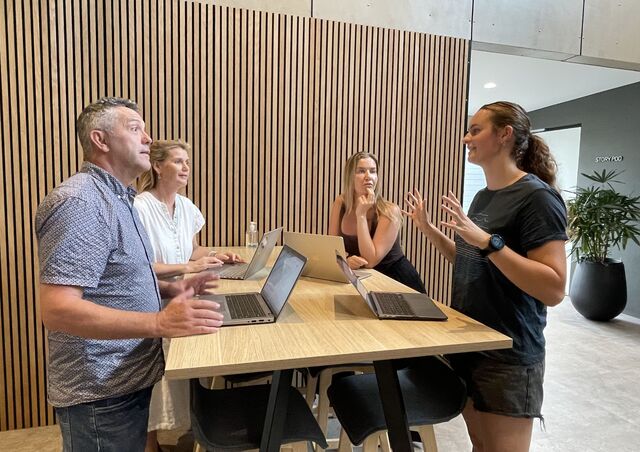
With the present skills shortages, globalisation, technological advances, an ageing workforce, the new workplace values of Gen X and Ys and greater diversity in the workplace, there is now even more reason for employers to move to make flexibility at work a reality. Organisations that have done so are known as employers of choice where great people seek them out, not vice versa. The other tangible benefits to organisations which successfully implement flexible work practices include increased productivity, better customer service, legal compliance, improved morale, reduced absenteeism, enhanced effectiveness, an ability to adapt readily to market changes and that illusive (but profitable) “discretionary effort”, when workers feel that employers are doing the right thing by them.
Many organisations are expanding our definition of flexible work practices by including a range of “wellbeing” initiatives. These include part time work; job sharing; working from home; flexible start and finishing times; paid parental, carers’ and cultural leave; lactation breaks; health insurance subsidies; childcare and gym facilities. Unfortunately there are still all too many Australian workplaces saying “Well that’s OK in the ideal world but not in reality, it’s not for us” or “We’ve tried it and it didn’t work”. When faced with difficult culture change some organisations find it is easier to stay as they are rather than trying to reap the benefits of this new way of working.
Workplaces in Australia with this narrow view clearly have missed out on great talent. This was highlighted in a recent Productivity Commission Report which ranked Australia 23rd out of 29 OECD countries for involving women of child bearing age (25 to 44 years) in the workforce. So what are the challenges and how do we overcome them?
Every workplace culture is unique. As a result, often unique solutions are needed. The issues can be attitudinal, based on misperceptions, systems problems, workloads, fear of the effect on career, leadership and managerial blocks. The list goes on. To address these barriers I have developed a systematic culture change approach designed specifically to create sustainable flexible work practices.
This involves:
- developing the business case for your organisation
- analysing your specific issues
- developing strategies to overcome the barriers
- engaging senior management
- addressing management issues
- targeted communication
- engaging employees
- evaluating the program.
The key is to engage, educate and motivate managers and employees and to provide the conditions that enable change to a healthy, flexible work environment.
* Kerry Fallon Horgan is Managing Partner of specialist consultancy, Flexibility At Work. She will be making a presentation, titled Creating a Flexible Workplace Culture, at the Sustainable Human Capital Conference in Melbourne Australia on 19-20 March 2007. For more details visit the website at www.flexibility.com.au