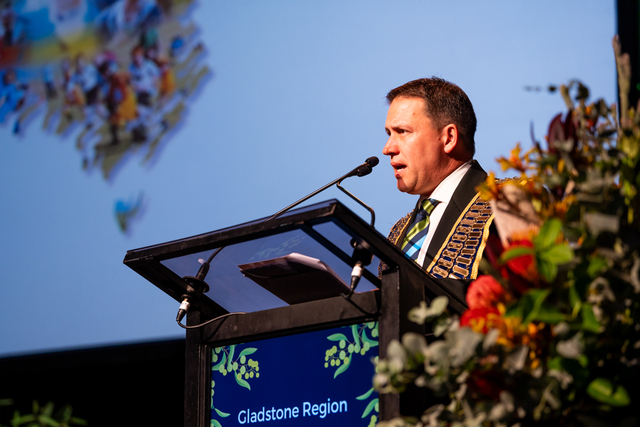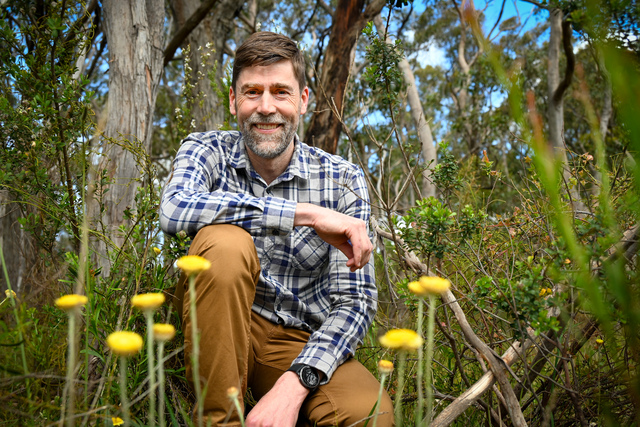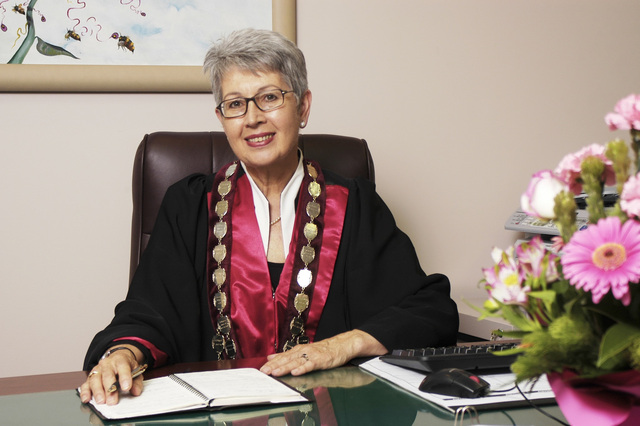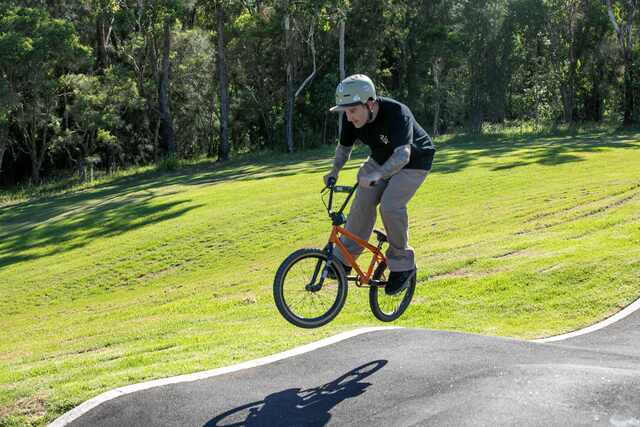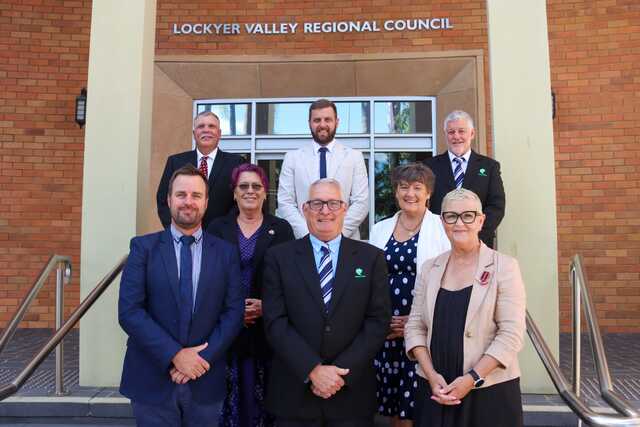
Councillor Profiles is a regular feature. This month we interviewed two Councillors from Victoria.
Councillor David Gittus, Mount Alexander Shire Council, Victoria
Q. How long have you been on Council?
I was elected in 2003, and re-elected in 2005. I had the honour of being elected Mayor for two years up until November 2006.
Q. Why did you want to become involved in Local Government?
Having moved to Mount Alexander Shire with my young family in 1990, I felt by 2003 it was time to give something back to my community. I had worked in community development in New South Wales before moving to Victoria, and my previous experience gave me some confidence in taking on the challenge. At the time, I felt uneasy about Council candidates who were also active in the real estate and development industry. By standing for election, I was able to give the electorate an opportunity to elect someone who was outside of that industry.
Q. Can you tell us about your Local Government area?
Mount Alexander Shire is within the historic Central Victorian Goldfields. Our towns mostly grew out of the great gold rushes of the early 1850s. The evidence of the gold mining boom attracts many visitors to our Shire, although mining is now only a very small part of our economy.
Today’s population is about 17,000, half of whom live in Castlemaine, the urban centre of the Shire. Castlemaine is fortunate to have a number of large manufacturing industries, providing secure employment opportunities. This is backed by a diverse agricultural sector, which includes a major apple growing district at Harcourt, sheep and cattle, and a growing viticulture and olive industry.
A newly upgraded rail service links our Shire to Melbourne, with commuting time about one hour on express services. The upgraded Calder freeway also allows easy driving.
The Shire still has an unhurried rural feel, and our community places a high value on volunteering, as evidenced by the large number of residents active in a wide variety of community organisations. Council has 50 Section 86 committees, which is an indication of the extent to which local grassroots organisations are actively involved in their communities.
Q. What are some of the challenges you have faced in Local Government?
A big challenge has been balancing new developments within the setting of our valuable heritage landscapes to allow growth without losing what makes our towns feel special to their communities. This has required Council to undertake many public forums and consultations to ensure we get it right. Another challenge is addressing the restoration of some 200 old bridges – some of which are 100 years old. We need to maintain 1,500 kilometres of road, with a rate base of around only 17,000 people.
Q. What are some of the specific issues currently facing your Council?
Currently Council owns and operates five outdoor cold water swimming pools, and has another outdoor pool that is closed due to structural defects. These pools are mostly 50 years old. All are in need of major rebuilding, some quite urgently. Council must decide within the next few months what the future will be for all of our pools, and set in place a plan to achieve it.
Q. What are the key aspects of being a good Councillor?
Every Councillor brings different attributes to Council and it is important to value those differences. Above all, I believe that a good Councillor needs to be able to communicate clearly, be available to their community and be able to really listen. Fairness and honesty in all dealings will enable a Councillor to earn the trust of their constituents and their fellow Councillors.
Councillor Justin McKeegan, Kingston City Council, Victoria
Q. How long have you been on Council?
I was first elected to Council in November 2005.
Q. Why did you want to become involved in Local Government?
Before being elected to Council, I was active in my local community through local sporting clubs. This involvement enabled me to see many local needs, which led to an interest in Local Government and helping residents with local issues.
Q. Can you tell us about your Local Government area?
The City of Kingston in Melbourne’s south is located within 15 kilometres of the Melbourne CBD. It boasts 13 kilometres of beaches, natural wetlands and world class golf courses. It has a population of 135,000 and its suburbs each have their own unique local character. With more than 4,000 industrial sites and a workforce of around 70,000 it’s a great place to work and live.
Q. What are some of the challenges you have faced in Local Government?
One of the biggest challenges I faced was to deliver a library for my ward in the Patterson Lakes area. The community has been fighting for 15 years to get a library without success. There are seven libraries in the north of the Council, yet only one library in the south where the Patterson Lakes area is located. Lobbying fellow Councillors to demonstrate the need, fighting for funding from the budget and consulting with community stakeholders on their needs to lock in a library was a long, hard struggle. But the end result was a unanimous resolution to build a new library for the community. It is currently in the design and development stage. A tough fight – but a positive win for the community in the process.
Q. What are the specific issues currently facing your Council?
The most significant issue facing Kingston is planning. This involves dealing with the Melbourne 2030 planning strategy and protecting our city from over development. Kingston is one of the few inner metropolitan Councils with a green wedge. Protecting and preserving neighbourhood character is an ongoing challenge in the face of pressure for increasingly higher density development.
Kingston has some of the best, if not the best, beaches in Port Phillip Bay. As well as being Kingston’s greatest natural resource, there are also significant issues that arise from managing and maintaining them.
This is due to strong community expectations of us to properly look after a part of Kingston that so many people use. Ongoing problems we are tackling head on include sand renourishment due to long term erosion and dune stabilisation.
Q. What are the key aspects of being a good Councillor?
Undoubtedly the most important aspect of being a Councillor is to listen to the people you represent. In the face of tough decisions, this is easier said than done. I believe that a good Councillor takes into account all sides of an argument and where possible, tries to find middle ground to achieve a positive outcome for everyone. However, in circumstances where this can not realistically be achieved, being able to represent the views of the often silent majority is very important. I am a strong supporter of ‘giving the community what they want’, and through thorough consultation with residents and community groups, especially on key issues, becoming a good Councillor is complimentary as a result of this.