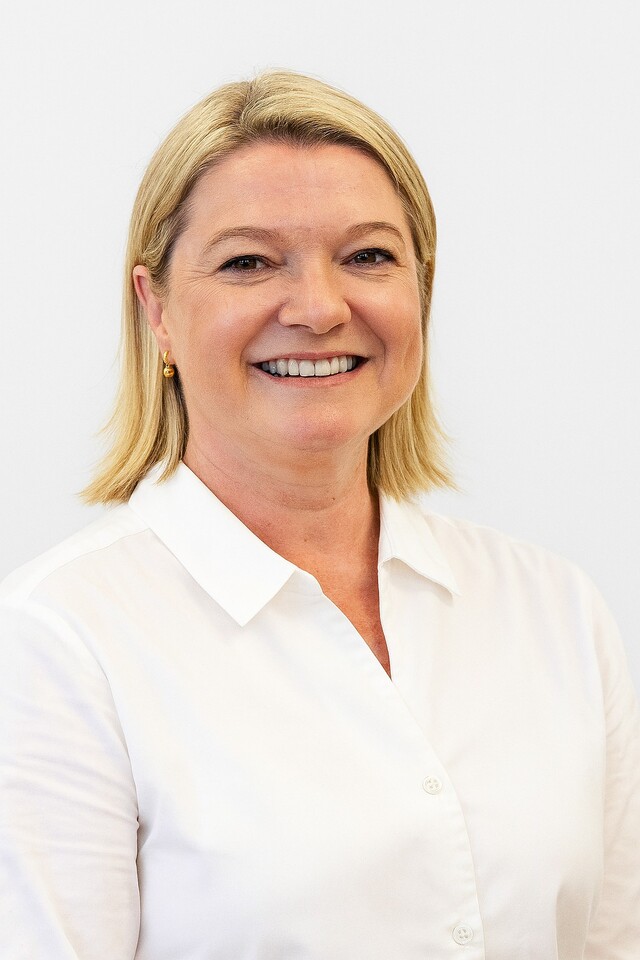
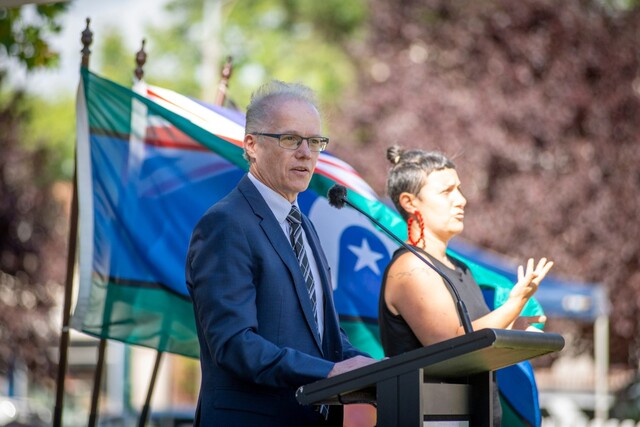
Councillor Profiles is a regular feature. This month we feature two Councillors from South Australia
Mayor Peter Davis, Port Lincoln City Council, South Australia
Q. How long have you been on Council?
I was elected to Port Lincoln Council 30 years ago and have spent the past 11 years as Mayor.
Q. Why did you want to become involved in Local Government?
My family company owns Boston Island, which is located five kilometres off the coast of Port Lincoln. Covering four square kilometres, the island is a fully operational sheep station with more than two thousand sheep. It also forms the breakwater of the world’s second largest harbour.
My family developed a wool growing business rather than exporting lamb as islands tend to be expensive to operate in terms of labour and transport. Therefore it was much more economical logistically to transport wool rather than lambs. After seeing what tourism had done for Alice Springs in the early 1960s, I became interested in promoting tourism. The wool industry was going broke and I thought we could emulate the success of Alice Springs in Port Lincoln. It took a couple of elections to get elected. I stood as a businessman with the view to develop tourism infrastructure. If we could get more people into Port Lincoln, I knew I could get more people visiting my island.
Q. Can you tell us about your Local Government area?
Port Lincoln covers approximately 40 square kilometres and is the major service centre to the Eyre Peninsula. We are surrounded by rural hinterlands and are at the base of an amphitheatre of hills. The beautiful city also looks over Boston Bay and Boston Island. The Eyre Peninsula produces around two million tonnes of grain a year, generating $200 million annually. However, in recent times, tuna farming has grown in Port Lincoln contributing $300 million per year to the city’s economy. Port Lincoln has a population of 14,000 people. Around 2,000 are employed in the tuna farming industry.
Q. What are some of the challenges you have faced in Local Government?
The biggest challenge I face as Mayor is trying to be an impartial, fair facilitator of meetings. I hold very strong views on range of issues, some of which have become known nationally and internationally. The key thing to remember is to stick to your guns and follow through on your beliefs.
As Mayor, I believe it is important to encourage those a bit hesitant to have a say to contribute, and also to control those who hog the floor and ask them to settle down. This is crucial to ensure a decision reflecting the community is arrived at.
As a regional area, we are fortunate with a strong aquaculture cash flow. However, this also means we are paying an international price for seafood which is sourced locally.
Q. What are some of the key issues currently facing your Council?
Provision of and the quality of water are big issues. I believe there is no shortage of water in the Eyre Peninsula, but the capacity to deliver it when, where and how we want it is a problem. Water across the nation is far too cheap. The current pricing structure is $1 per kilolitre or .001 cents per litre. Time and time again I have stood at Coles and Safeway and watched people paying $1 to $2 for a litre of water. At the current rate, people are wasting this precious resource and we are running out. It is a grossly over exploited and undervalued asset. The price should be increased to at least $10 per kilolitre or one cent per litre.
Q. What are the key aspects of being a good Councillor?
Represent your electorate fairly. Providing one remembers they are elected to represent the will of community, this is a fairly easy task.
Mayor Miriam Smith, City of Tea Tree Gully, South Australia
Q. How long have you been on Council?
I was first elected as a Councillor in May 2003 and then as Deputy Mayor during 2005/06. In 2006, the community elected me Mayor. There are many challenges facing Local Government and I felt the industry was experiencing a significant demand for change. Following a term as Councillor, I was confident that my Local Government experience combined with the experience and skill I brought to the industry placed me in a good position to provide fresh and younger leadership to the City of Tea Tree Gully.
Q. Why did you want to become involved in Local Government?
I believe that a Council is community owned and that a trusted Local Government is critical for communities to maintain their individual identity and significance. With a background in corporate and community services as well as volunteering,
I felt that my broad skills could serve my community well.
I was aware that Local Government makes decisions affecting local communities and I was keen to be at the grass roots.
Q. Can you tell us about your Local Government area?
The City of Tea Tree Gully is situated in northeast metropolitan Adelaide, about 20 minutes from the CBD when travelling on the O’bahn guided bus system. It is primarily a residential Council with over 100,000 people. With a strong focus on environment, we take pride in our abundance of open space, waterways and recreational opportunities. We have a growing number of small businesses and the second highest youth population in South Australia.
Q. What are the key challenges facing you and your Council?
Our population comprises a high number of youth and seniors, who have quite different needs. Balancing demand for new services at a higher standard places increasing pressure on annual budgets. We are constantly challenged to think differently about how, what and who provides these services.
The effects of drought and water restrictions have impacted on our infrastructure and recreational/open space assets. This will have a financial and environmental impact on our community and requires a city wide approach to future landscaping and recreational area design.
Q. What innovative projects is your Council working on?
Our latest waterproofing plan – Tea Tree Gully Waterproofing Northern Adelaide project – includes the development of aquifer storage and recovery schemes. Our wetlands network enables the harvesting and treating of stormwater for storage in groundwater systems. It can then be used for irrigation, reducing Council demand on mains water and supporting industries with higher water needs.
The establishment of a Youth Enterprise Centre is currently under consideration. It is anticipated that the centre will assist in servicing our large youth population through the provision of social, professional and economical services through a one stop shop.
A City Renaissance Plan encompassing a whole of Council neighbourhood redevelopment strategy also provides an opportunity for us to replan our City for the future and meet rapidly changing needs.
Q. What are the key aspects of being a good Mayor?
Your ability to be available, to listen and to represent your communities is essential. However, you cannot do this successfully without the ability to lead elected representatives and form a close working relationship with the Chief Executive Officer in a way that is constructive and cohesive with the best interest of the community in mind. A good Mayor, I believe, must have ability to lead, is visionary, long term and solution focused, and fair and honest in their relationship with Councillors, management/staff and the community. A good sense of humour also goes a long way.