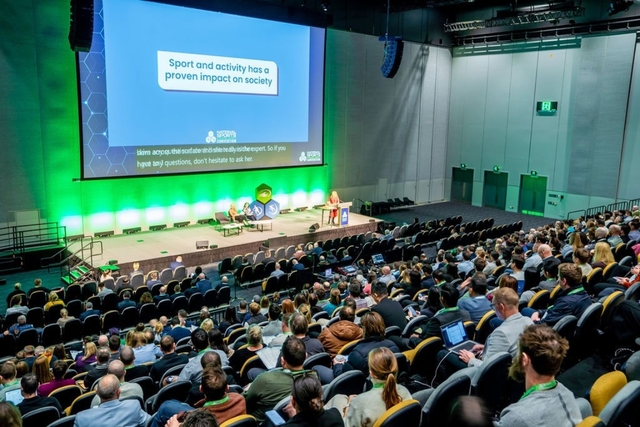
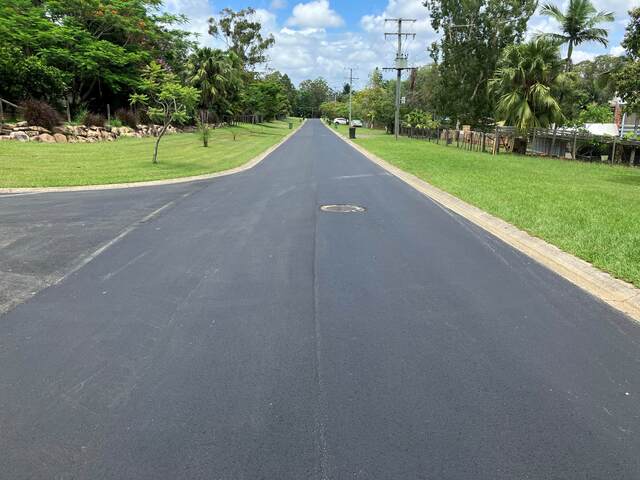
In March, the Civil Contractors Federation of Victoria, the Municipal Association of Victoria and the Institute of Public Works Engineering Australia hosted the Use of Potable Water for Road Works Summit. The forum addressed the ongoing issue of using potable water on road construction and maintenance projects.
Some 100 representatives from Local and State Government, water companies, civil contracting firms and other construction companies attended. They agreed that a centralised management plan from the Victorian Government is key to managing this important community issue.
The Summit was convened in response to a number of water use challenges faced by government and industry, including difficulties in identifying non potable water sources and negative community perceptions of water use on road works during times of tight water restrictions.
Delegates discussed what was known about current water use issues and the great challenges ahead for this important contributor to infrastructure development and the economy.
Presentations from VicRoads and the Environment Protection Authority (EPA) were well received, as were case examples of current practice and challenges from Mornington Peninsula Shire and Central Highlands Water.
There was also broad agreement on the direction needed, with items for action including:
- understanding exactly how much water is used currently on road works construction and maintenance across Victoria
- development of a centralised Water Atlas of all alternative water sources, including quality and quantity information
- development of an Industrial Waste Water Exchange, matching producers of suitable industrial waste water with users of water for construction purposes. This will allow industrial users to have their waste water disposed and reused, resulting in potentially lower costs for both parties and less overall potable water use.
CEO of the Civil Contractors Federation of Victoria, Bob Seiffert, said the Summit recognised that this issue is a community wide issue.
“Any water use affects all members of a community in some form, either through finite water supplies limiting alternative uses or the potential limitation of infrastructure development and maintenance,” he said. “With the actions required and the scale of this issue spread across multiple levels of government and departments, the only way forward is for strong, central leadership from the Victorian Government.”
The summit recommended the development of a comprehensive road works water use strategy to build on the progress and achievements of the Government and community in reducing water use.
Bob Seiffert said industry representatives indicated their commitment to providing the Victorian Government, Local Government and water companies with full and complete assistance in their task of reducing demand on potable water supplies.
“However, until credible alternatives are developed, and within the context of a comprehensive statewide plan, it is simply not an option that access to potable water be denied for construction and maintenance projects,” he said.
“We cannot just ‘turn off the tap’ to this important contributor to the infrastructure and economy of Victoria.”
For further information on the Summit outcomes contact Bob Seiffert on (03) 9819 5170.