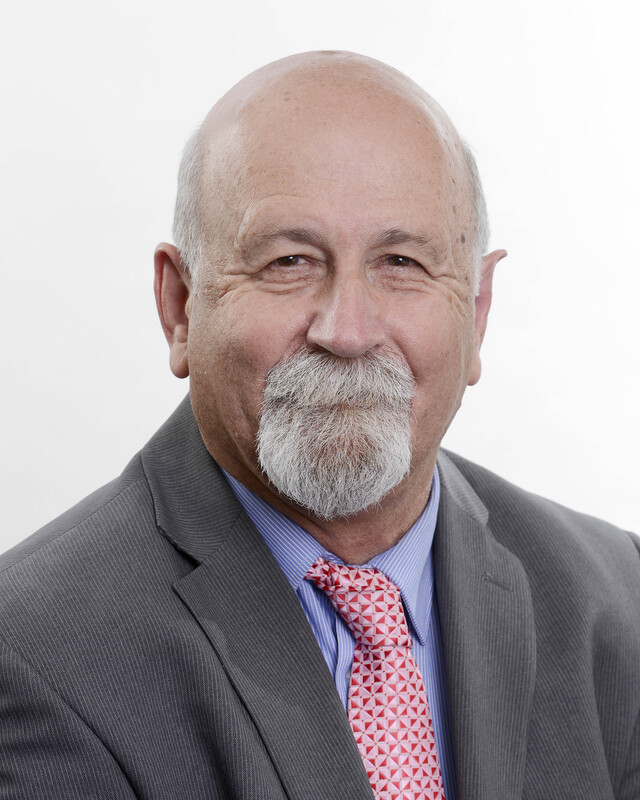
Mayor Troy Pickard, City of Joondalup, WA
Q. How long have you been on Council?
I was elected as a Councillor for the City of Stirling in 2001 and was then appointed Deputy Mayor in 2004. After moving house and locality in 2005, I was subsequently elected Mayor of the City of Joondalup in 2006.
Q. Why did you want to become involved in Local Government?
I became involved in Local Government to make a positive contribution to the community at a grassroots level. I also wanted the opportunity to have a direct impact on people’s daily lives. As a young person, I wanted to instil a new mindset in what is traditionally seen as a mature age person’s domain.
Q. Can you tell us about your Local Government area?
The City of Joondalup is the northern regional capital of Perth’s metropolitan area and is in the heart of one of Australia’s fastest growing regions. Located 25 kilometres from Perth, Joondalup is predominately residential, with some commercial and industrial areas. We have 157,000 residents and 22 suburbs. Joondalup’s total land area of 97 square kilometres comprises 17 kilometres of pristine coastline and significant areas of parkland, foreshore reserves and bushland.
Q. What are the key challenges facing you and your Council?
Following the dismissal of the former dysfunctional Council in 2005, my key challenge as Mayor is to build a cohesive and functional Council through leadership and teamwork. I also need to actively engage with our community to reinforce the new direction for our City. Our challenge as a Council is to regain community confidence and restore good governance, while focusing on the future and imparting a new vision for our City.
Q. What innovative projects is your Council working on?
The City is currently in the early stages of preparing a Landscape Master Plan. This is an exciting and innovative project responding to the limited availability of water to irrigate open space. The Master Plan identifies appropriate indigenous plant species for streetscapes and open spaces, as well as differentiating areas of passive and active open space for targeted irrigation. While the Master Plan will involve significant capital costs in the short term, the long term benefits of reduced maintenance and water consumption will be beneficial for future generations.
Q. Tell us about a specific success you have had in Local Government.
The highlight of my involvement in Local Government was my recent election as Mayor of the City of Joondalup. As one of the youngest Mayors in Australia, I enjoy sharing my youthful enthusiasm and vision for our City with our community. It is great to watch as they respond positively to the journey Council has embarked on and the future direction we are leading our community.
Q. What are the key aspects of being a good Councillor?
It goes without saying that Councillors need to be committed, open and accountable and operate with integrity and honesty. I also feel it is crucial for Councillors to be straight with people, even if you know it’s not what they want to hear. This ensures that false expectations are not created. People will respect you for your view if you take the opportunity to explain your position and your basis for it. It is also imperative that Councillors think beyond the current electoral cycle when making decisions and the impact they will have on future generations.
President Sheryl Bryan, Moora Shire Council, WA
Q. How long have you been on Council?
I have been a Councillor on Moora Shire since 2001 and was elected Shire President in 2004.
Q. Why did you want to become involved in Local Government?
I have lived in the area for 31 years and have always had an interest in local issues that involve us all. I was looking for a challenge and wanted to find out what Local Government was all about. It was an opportunity to become better informed about things that have an impact on our community and to be part of the decision making process.
Q. Can you tell us about your Local Government area?
Situated on the Moore River at the heart of the Midlands district, Moora Shire is located approximately 180 kilometres north of Perth. We have 2,800 residents and five localities and towns. The Shire covers more than 3,700 square kilometres and is at the centre of a mixed farming area – primarily wheat, wool and cattle. Our good soil structure, climate and abundance of open space are considered key to our reputation as a strong stable farming area. The Shire also supports some light industry, including steel fabrication and a concrete works. There is a silicon quartz mine and a granite quarry to the north of Moora. One of our big attractions is the wildflowers that bloom in colourful abundance in spring. Moora has many wildflower varieties that are unique to the area and their pollen is important to the local bee keeping industry.
Originally Moora was a railway town with the railway line dividing the town into two. The railway was completed in 1893 and Moora was gazetted as a town two years later.
Q. What are the key challenges facing you and your Council?
Moora has experienced unprecedented growth in housing demands over the last 18 months and good quality housing is limited. The Shire has sought expressions of interest from developers to develop various land parcels for high density housing. We have made a commitment to growth and the acceptance of change. We also are facing increasing costs in maintaining our aging infrastructure and sporting facilities. All Western Australian Local Governments are faced with the same dilemma, as our costs rise significantly more than CPI. Council will be developing an asset management plan that will identify our assets and help us plan how we will fund their upkeep.
There are many challenges for a small rural Shire and one of them is to have the courage to lobby for the region and for what it requires. People who prefer to live in a country area deserve good quality services.
Q. Tell us about a specific success you have had in Local Government.
This year, we were able to attract a dentist who provides a two day per week service to our Shire.
In late 2003, the Western Australian Government withdrew funding for the proposed new Moora Hospital. The issue became symbolic of the forces shaping the destiny of rural communities everywhere. The action taken by the people in our communities to reverse that decision set a new benchmark in terms of rural people standing up for what they believe in. It became known as the ‘brick campaign’. These actions will be part of the folklore and history of our district. I am indeed very proud to work in the new Moora Hospital.
Q. What are the key aspects of being a good Councillor?
A good Councillor represents the interests of the whole community. They provide leadership and guidance to residents. It is very important to think strategically, to be able to make decisions based on the evidence supplied. You need to respect other people’s point of view and remember that you are a member of a team.