By allowing local people to drive service provision in community centres, the City of Charles Sturt has engaged and empowered new residents to settle in Australia and gain valuable skills for the benefit of the wider community.
Charles Sturt has a population of 100,000 people, of which some 25 per cent speak a language other than English at home.
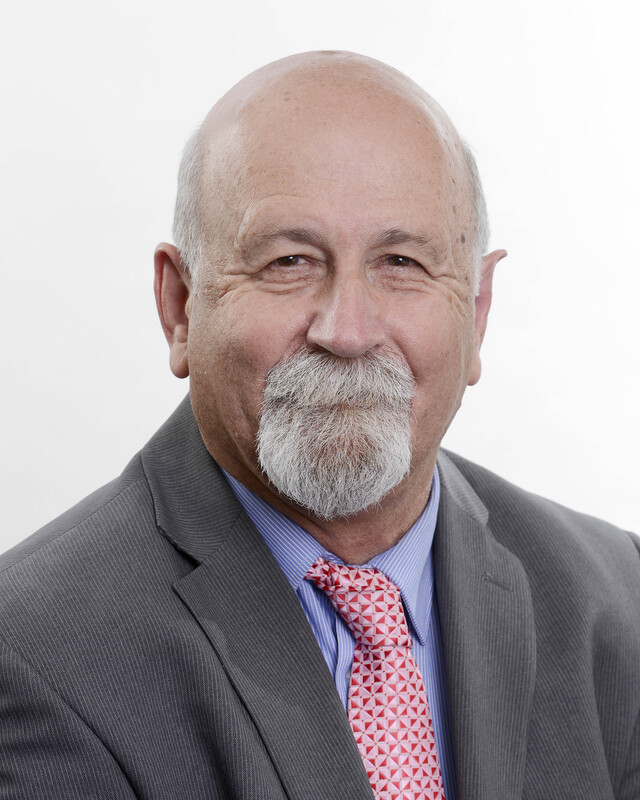
Charles Sturt Mayor, Councillor Harold Anderson, said Friends of Community Centre Groups are a new approach to bring the people who live in a community and Council together.
“Friends Groups come together as an informal network with their local community centre as their focus,” he said. “They engage with Council and guide the direction of our services through that centre.”
Following the success of a pilot of a Friends of Group at Council’s Cheltenham Community Centre, the boards of management at two other Charles Sturt Community Centre’s – Bower Cottages and West Lakes – decided to dissolve and re-establish as Friends Groups. At Bower Cottages, there has been a shift to cater for young families, while at West Lakes needs of the newly retired baby boomers are emerging.
The Cheltenham area is experiencing a demographic shift from blue collar to a wealthier population as more and more people appreciate its close proximity to the City and the coast, while public housing continues to bring a large number of new arrivals to the area. There are six cultural communities represented in the Friends of Cheltenham Community Centre group.
City of Charles Sturt Diversity Project Officer, Judith Robertson, said this is promoting intercultural relations, as the groups are required to share the space and times they can use it.
“While the majority of migrant groups using the centre come from African nations, they have different religious backgrounds –
both Christian and Muslim, and also have different reasons for migrating to Australia,” she said. “The Eritreans and Ogandens tend to be refugees who access the centre with a range of needs, while the Indians and Zimbabweans are skilled migrants that have chosen to relocate to Australia.
“This diverse and multicultural group have made great progress in sharing the space and the Friends of Group has also gained key skills in relation to running the centre and organising events. They have gone past needing us to do things for them to having the confidence to develop their own celebrations.”
Judith Robertson said the group has held a number of events such as food nights, where the centre’s users talk about their culture and cook and serve food traditional to their country of origin. The wider community was also involved in these events, with people living in the local area invited to attend.”
The City of Charles Sturt provided the group with equipment to establish an office environment and works closely with the Friends of Group, assisting with general management procedures, as well as identifying and assisting in grant applications. A Community Development Officer manages the centre with guidance and support from the Friends Group to provide relevant services.
Kennedy Mavunganidze, from the Zimbabwean community, said that in arriving to a new country, there is a risk that people can become stranded and think that they are the only ones there.
“We need a place that we can meet with our country men and women, a place that we can call home,” he said.
The leaders of the Zimbabwean community use the centre to facilitate meetings and functions for the community. Special events cater for the needs of women’s groups and youth, with education sessions to familiarise them with the communities they are living in.
Siyat Abdi, from the Ogaden/Somali community, said the friends group works to support the unique needs of their communities and to bring the many different cultures together.
“Every member tries to organise and mobilise their community with community development programs through the centre,” he said. “They take on board issues affecting the community and work on how to improve relationships with their neighbours.”
The Somali community ran a driver training program for people to obtain learners’ permits through the centre. Some 95 percent of participants are now driving with their full license.
A session providing Somalian women access to sewing machines is also being used as an educational opportunity for the new arrivals, with guest speakers brought in to talk about issues such as nutrition, health, safety and parenting.
Biju Joseph, from the Malayalee Association, said that his community uses the centre to prepare for community events and also to hold children’s programs, including English classes on the weekends. He said it is very rewarding to work with and celebrate with the other communities.
The friends of group is also enabling better communication with Council on the issues pertinent to their communities. Judith Robertson said this information has contributed to the development of Council’s 20 year vision.
“The centre is a place where Council can get in touch with people from multicultural backgrounds and ask basic questions, such as what were your first impressions when you moved here, what are they now, and what would you like to see here in the future?,” she said. “The answers to these questions are key to future policy development and the services we provide.”