Minister for Broadband, Communications and the Digital Economy, Senator Stephen Conroy, is confident that a contract for the rollout of the Australian Government’s National Broadband Network will be signed this month.
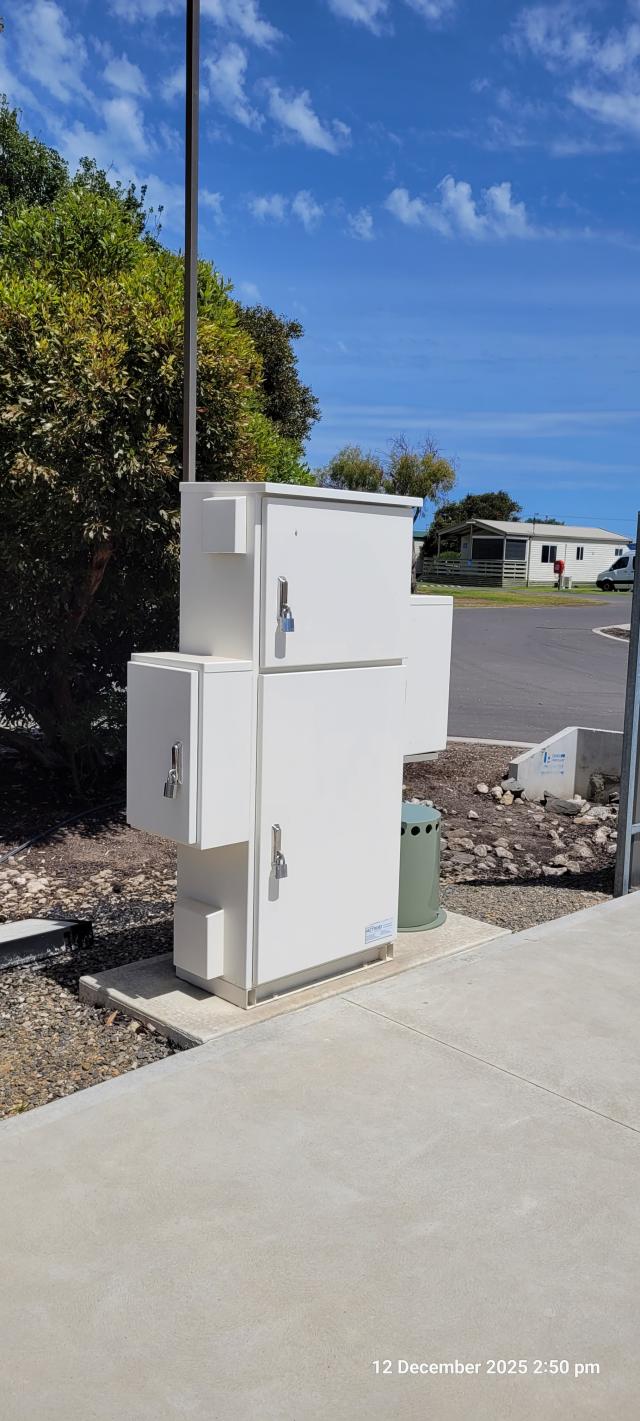
The Government has set aside $4.7 billion for the high speed, fibre to the node network, which is projected to cost around $15 billion. This will represent the single largest investment in broadband infrastructure in Australia’s history.
Once established, the network aims to provide downlink speeds of at least 12 megabits per second to 98 per cent of Australian homes and businesses.
A panel of experts appointed by the Federal Government has evaluated five requests for proposals to rollout and operate the new network. It is now considering advice from the Australian Competition and Consumer Council.
The Government had planned to finalise the tender process for the project by June last year, with construction of the network to have commenced by the end of 2008. It now seems more likely that construction will not begin until the end of 2009, as regulatory and legislative changes are also required before the rollout can commence.
Bidders and the public have become critical of delays to the process, amid criticisms Australia is losing at least $200 million for every month the network is delayed.
According to the 2008–09 State of the Regions report, Australia’s telecommunications are currently in a dire state.
Prepared by National Economics for the Australian Local Government Association (ALGA) the report reiterates previous reports to ALGA that Australia’s knowledge economy continues to be shackled by the lack of an equitable high speed broadband network.
Speaking at the launch of the 2008–09 report, ALGA President, Councillor Geoff Lake, said we must move to drag Australia into the world of modern communications.
“Last year’s State of the Regions report identified $3.2 billion and 33,000 jobs lost to Australian businesses in 12 months due to inadequate broadband infrastructure,” he said. “The current report indicates no improvement in these numbers for 2009.”
National Economics stresses that wireless broadband services in Australia are still relatively expensive and the cost of these services could continue to constrain the development of businesses located in regional Australia as well as businesses delivering services via broadband. It describes as “extremely frustrating” the years of sluggish response to the manifest demand for improved telecommunications.
“The Howard Government failed to move Australia into the 21st century with a competitive broadband network,” Councillor Lake said.
“Local Government welcomes the high priority the Rudd Government has afforded the national broadband network, however, there is much ground to be made up. We must move now and move faster.”
The report demonstrates that while policy issues have stalled the rollout of the national network, business competitors overseas have created broadband services that are not only faster but also cheaper.
“One of the most disappointing issues identified in the latest State of the Regions report is that Indigenous communities are particularly disadvantaged because of the inadequate provision of internet services,” Councillor Lake said.
“The benefits flowing from high speed broadband for communities in Australia’s remote regions could be significant in helping reshape the local economies, build skills and improve health and educational outcomes.
“The inequitable provision of broadband and other telecommunications services to rural and regional Australia does nothing to assist these regions to improve their resilience to harsher economic times or their capacity to meet the additional costs of climate change.”
Telecommunications company, Optus, is a member of a consortium that is one of the five bidders for the right to build the project.
Its Chief Executive, Paul O’Sullivan, said Australia’s economic downturn has increased the need for a high speed network.
“This is probably the pre-eminent nation building project,” he said. “It not only employs a large number of Australians, but it provides us with 21st century capability in terms of technology, which will feed through into productivity and future benefits.
“There is probably no better project for achieving the Rudd Government’s economic stimulus aims.”
It is expected that construction of the network will take five years.
For further information visit www.dbcde.gov.au