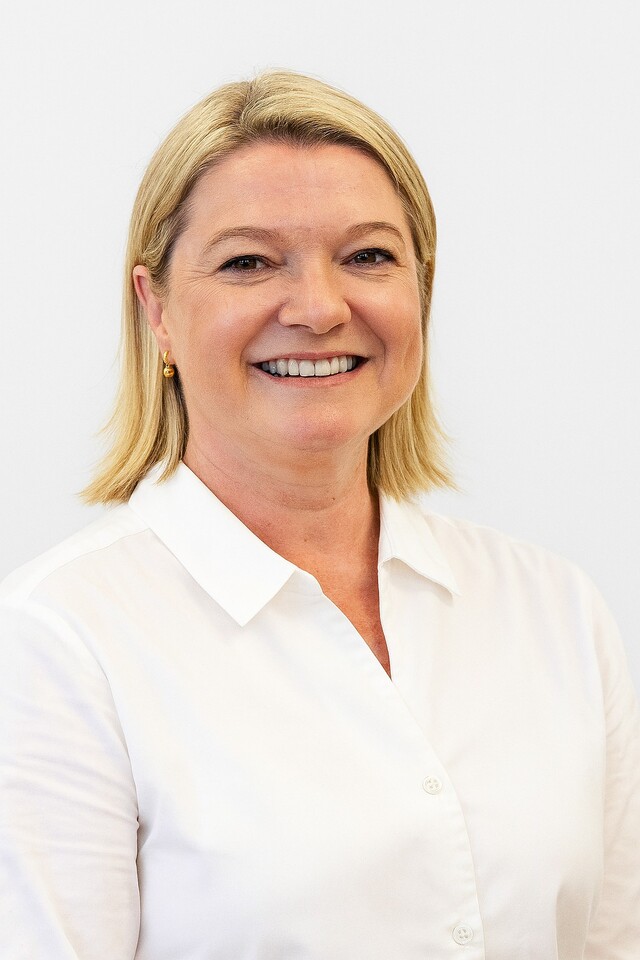
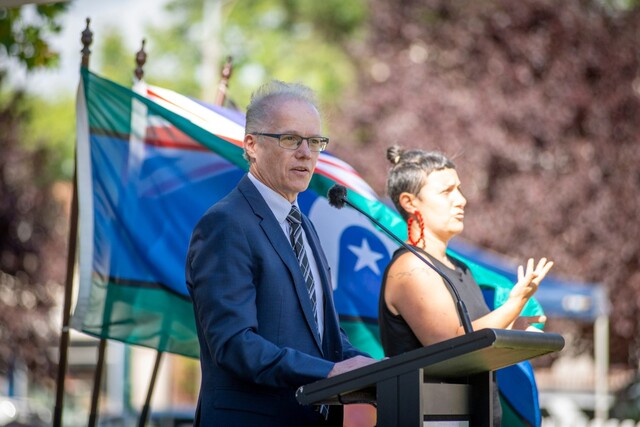
An interview with Peter Dormand, City Energy and Resource Manager at Newcastle City Council
Newcastle has been at the forefront of Australian Local Government in reducing its greenhouse gas emissions. Following from last month, Peter Dormand continues to discuss with Bruce Rowse* what has been achieved and how Council has done it.
Q. How are you dealing with your smaller buildings?
We’ve got 250 sites that have got electricity connected to them. We know that 20 of them are using 80 per cent of the electricity, but what do you do with the other 230 odd sites? So we created a system called Ecostar where we install a stainless steel plaque where we have undertaken an upgrade. That’s at all of our beaches, pools, parks, libraries, community halls, and so forth.
We’ve set about doing collective, systematic retrofits. Now we only have one model of toilet, one handbasin, we have one push button three star tap. We have one super vandal resistant showerhead and we have a choice of two different types of hot water systems.
So it means if you’re a plumber you’re not carrying 57 varieties now. So we are getting maintenance savings, energy savings, water savings and have a more content community.
The Ecostar plaque has six green stars fitted to it, as each of these simple things are installed. What we found was a soccer club would ring up and complain that the netball club right next to them has got more stars and when are they going to get their toilets changed out to dual flush and when will they get their new push button hot water system.
So now we apply that same thinking to all the programs that we offer out into the community, where we base the technology recommendations around what we’ve done ourselves, but also with the measurement systems and the star recognition systems.
Q. You’ve had a pretty good return on investment then over the years?
Yes, we’ve invested
$2.5 million and we’ve saved $4.5 million so far. It’s like you can’t invest it fast enough.
Q. What do you think the key reason for being successful in this is?
Always focusing on development of a framework and gaining commitment. We were asked five years ago, how come it’s taking you this long to do what you’ve done and what would you do differently?
We had a few days out of the office to contemplate that and identified that there were in fact 14 separate steps that we knew had to be undertaken to get a project from start to finish.
What amazed us was that we worked out that we’d done it back to front. It was because of the pioneering nature, but in reality we’ve got these 14 steps now and we stick to them religiously, whether it’s a project of our own, or if it’s a project that we’re helping a school do, or if it’s something that we’re reviewing.
We review it against these 14 steps. So a critical key for us is the framework. I see so much ‘ad hocery’ and it frustrates the daylight out of me because I feel sorry for these people because I know they’re going to fail.
Whereas if you have a holistic approach with a framework it means you can focus on one element at a time. I don’t know if it’s just me, but blokes seem to have a lot of trouble focusing on more than one thing.
If your head is bouncing from communication to benchmarking, to commitment to setting a target, chances are you aren’t going to have any outcome at all. Whereas if you are working around understanding what those 14 steps are and then having a dedicated session for each one, what we say is that the people that have those 14 steps in place will have a tenfold outcome as compared to only having 11 of those steps in place.
Q. How many people have you got involved in driving these measures?
We’re a team of 11, but we do environment and climate change, so it’s not just energy related activities. We have coast care and waste and sustainability projects and household projects as well, so it’s quite a big area, but the exciting thing for us is working with hundreds of businesses and schools and thousands of households.
Next month Peter Dormand will cover how Newcastle has taken its approach out into the community.
*Bruce Rowse, energy efficiency engineer, is Director of CarbonetiX, an engineering consultancy specialising in carbon reduction. Contact Bruce via his blog at www.carbonetix.com.au/blog