This month we feature two councillors from Tasmania.
Mayor Bertrand Cadart,Glamorgan-Spring Bay Council, Tasmania
Q. How long have you been on Council?
To my elephantine surprise, as I had never foreseen an electoral success, I passed last during the Tasmanian Local Government elections of October 2005.
Q. Why did you get involved in Local Government?
Excellent question! I am still pondering myself what moment of insanity hit me at the time, as I had absolutely no idea about what it entailed to be in Local Government.
I simply responded to my small local community request to represent them in our Council. Never would I have done this from my own initiative.
Q. Tell us about your Local Government area?
Glamorgan-Spring Bay Municipal area stretches along the southern half of the east coast of Tasmania. It is a narrow coastal area of stunning beauty. From where we are, if we listen carefully, we could almost hear the southern Kiwis cheering at a rugby union match!
Q. What makes your Council area special or different?
Some Councils are just lucky! We are one of those. Our area, which includes no less than three national parks, is the warmest, sunniest and driest in Tasmania; considered by the Tasmanians as the ‘Riviera’ of our island State. Another peculiarity of our area is that only half of the residential properties are inhabited full time. The other half are known as holiday ‘shacks’ and their owners only visit during the holiday and long weekend periods.
Because of all this our local rural community is extremely diverse, not only because of the ‘shackies’ but also because each town is characterised by different activities and different socio economic groups. To thrive in Glamorgan-Spring Bay the Mayor must be very open minded to almost every facets of human behaviour and philosophy from gardener to governor!!!
Q. What is the key challenges facing you and your Council?
The first key challenge facing me is to be re elected at the next election in October this year! Council is faced with challenges reflecting its diversity. From a strong and deep evolution of the forestry industry of Tasmania to the safeguard and protection of our precious national parks and about anything in between, including major reforms in our planning scheme.
Q. What things should Local Government be focusing on for the next decade?
In my view, the most important thing is that the entire network of Australian Local Government should work passionately to win the referendum to be an integral part of the Australian constitution. The future of Local Government in this country in general and in Tasmania in particular must be inextricably linked to permanent Constitutional recognition to ensure its long term future and efficiency with a deed of approval and support from the Australian nation.
How can we focus on the next decade(s) if we do not have certainty about our legal existence as a legitimate and integral part of government?
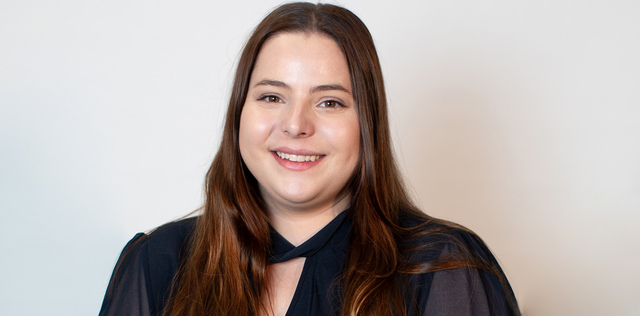
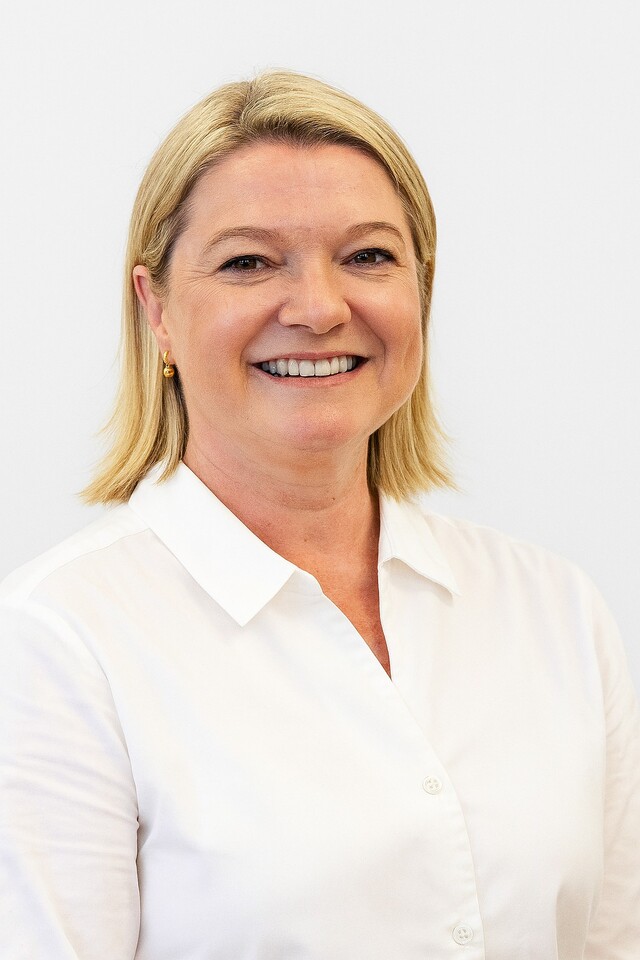
Councillor Cheryl Fuller, Central Coast Council, Tasmania
Q. Why did you become involved in Local Government?
I attended a few meetings to learn more about a local planning issue and didn’t see myself reflected around the table. There was a fairly significant age and gender imbalance at that time. I felt well connected to my community and knew I had some skills to contribute, so I decided to nominate.
Q. Tell us about your Local Government area?
The municipality of Central Coast in Tasmania is, as its name suggests, set in the heart of the North West Coast spanning an area of 932 square kilometres and has a population of 21,732 people. It includes Ulverstone, Penguin and many small rural settlements. Within the Cradle Coast Region, we are the second most populated Council area. Approximately 93,000 of the region’s residents live within a 50 kilometre radius of Ulverstone. In excess of 70,000 of those residents live within an easy 30 minute drive.
Our brand is Coast to Canyon, in recognition of our beautiful coastline and pristine beaches, the rugged Leven Canyon and everything in between. Our Dial Range is the backdrop to rich farmland, productive valleys and the meandering Leven River.
Our economy is based on our agriculture and because of our rich fertile soils, we are able to grow a diverse range of products. We are home to innovative producers providing berries, wines, olive oil, quality beef, lamb and pork, fresh vegetables, poppies, cheese, grains and herbs to name just a few.
Council’s strategic plan developed in consultation with our community, focuses of the distinctiveness of our location, our lifestyle and our strengths. Based on the four platforms of liveability, sustainability, innovation and distinctiveness, Council’s strategic plan identifies priorities for 2009 to 2014 and sets out achievable and realistic goals to ensure that we are focused on what matters most.
Q. What makes your council area special or different?
The diversity in the land but the similarity of the people. It is a safe and natural environment to raise our children and our animals! While 55 per cent of our residents work outside the Central Coast, they chose to live here because of lifestyle, a fact which is not lost in Council decision making. We recognise the importance of creating a culture that values our relaxed lifestyle and natural resources but also encourages creativity and innovation. We are here by choice…. and most of us know how lucky we are!
Q. What are the key challenges facing you and your Council?
In January this year our municipality experienced severe flooding, with $5 million damage to roads, bridges and infrastructure. This has caused enormous strain on our resources, requiring works to be reprioritised and while we received assistance of State and Federal Government through the natural disaster relief fund, it has meant that our budget for the coming year is extremely lean with much of our capital works program being deferred.
Our Council has been well managed over many years but we are continually looking at ways of working with our community to ensure we deliver our services as effectively as possible for our ratepayers. We need to be clear about the long term sustainability of the organisation, including looking at different revenue streams.
Q. What things should Local Government be focusing on for the next decade?
Security of funding and best quality of service delivery for our key responsibilities. Many shy away from the roads, rates and rubbish tag, but my personal opinion is that if each sphere of government looked after their key responsibilities efficiently and consistently, then all we would all be better off. Constant duckshoving of responsibility and cost shifting needs to be a thing of the past. Councils need to rationalise our boundarys and ourselves. And we need to make these hard decisions ourselves, or like many other decisions about Local Government someone else will make them for us.
Those that remain need to diversify the decision makers – elected and staff – give us women and men, young and old, from all walks of life and all countries of the world.