The Hyde Park Lakes in the City of Vincent in Western Australia have undergone a major restoration that commenced in September 2012 and is due for completion this month.
The Hyde Park Lakes have always been a significant community asset for Vincent — a source of joy for residents and visitors and a refuge for local wildlife. However, over recent years, long hot summers, prolonged drought and water restrictions have adversely affected the lakes, which were being transformed into muddy, stagnant swamps each summer.
In 2004, the City of Vincent Council established the Hyde Park Lakes Restoration Working Group to investigate options to ensure that the park did not continue to be a casualty of declining water levels.
Following discussion with a number of different stakeholders over many years, the Working Group developed a Restoration Masterplan for the lakes, which was finally approved by Council in 2012. The tender for the construction work was then awarded to Perth-based Advanteering Civil Engineers.
At the time, the City of Vincent Mayor, Councillor Alannah MacTiernan said, “At last, after many years, we now have a resolution for the Hyde Park Lakes. The Masterplan was finalised, the contracts signed, and we’re relieved to be moving forward in the best way possible for this significant environmental project.”
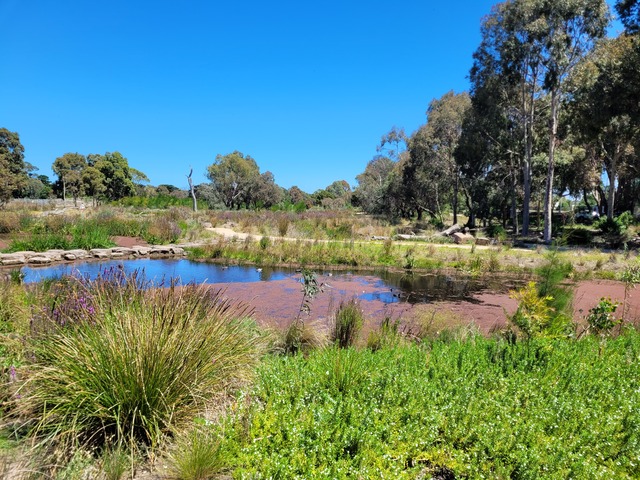
The restoration works have included the construction of new lake walls inside the existing walls of both lakes, allowing for an increase or decrease in water levels. The new walls are 200mm lower and two metres in from the existing wall, so water can flow into the outer area during times of good rainfall, and, during periods of drought, the core size of the lakes is reduced, dramatically improving the aesthetics of the area.
The project has also seen the creation of vegetated beach areas in the corner of each lake, where native sedges and other local plants now act as a natural cordon between the lakes and users of the park. Similarly, the two existing islands have been stripped of exotic vegetation and revegetated with endemic species of small trees, ground covers, shrubs and sedges, opening up the islands and providing suitable breeding grounds for local fauna, including water birds and turtles.
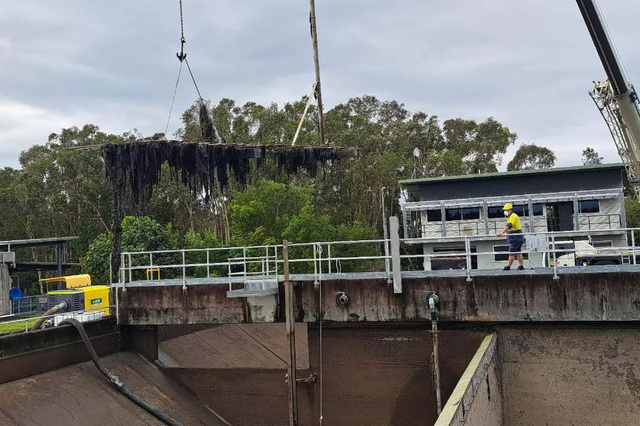
The revegetation of the islands and the areas around the lakes forms part of the construction of a ‘Treatment Train’ (or bio-filtration system), which filters waste or storm water by passing it through various stages, including through different types of plants that filter out pollutants, sediments, heavy metals and other organic and non-organic elements.
With an approximate total cost of $3.5 million, the majority of funding for the restoration was sourced from the Australian Government’s ‘Water for the Future’ initiative through the ‘National Water Security Plan for Cities and Towns’ program. The Water Corporation and the North Perth Community Bank (Bendigo Bank) also contributed, with the remaining funds provided by the City of Vincent.