Two coastal councils on opposite ends of the country are working together to lead on climate change adaptation – in spite of federal funding uncertainty.
The destruction left in the wake of Cyclone Debbie is a harsh reminder of the hazards posed by an unpredictable climate. The short-term costs will be devastating and council areas impacted by the storm will likely feel its impacts for years to come.
Whitsunday Regional Council was one of the areas most impacted, after winds of 220kmh pounded its coastline when the cyclone hit late last month.
Into the future, projections from the Bureau of Meteorology show that the region will be susceptible to increased tropical storms, higher temperatures, more rainfall and risk of flooding.
Until last year, the council didn’t have a formal climate change strategy in place. But after scoring poorly on a climate change governance assessment, the council decided to move quickly to change its outlook, and has now adopted a climate change adaptation and mitigation policy; received over $500,000 in funding from the Queensland Government’s Q-Coast program to invest in climate-related projects; as well as contributed an additional $300,000 from Council coffers.
In an innovative move, the council is also seeking guidance from another local government at the opposite end of the country.
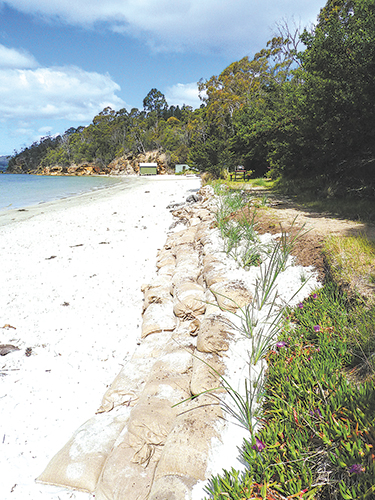
Kingborough Council in Tasmania has long been active on climate change adaptation; a mid-sized coastal council, Kingborough is bushfire-prone and undergoing significant coastal and cliff-face erosion due to climate change.
In February, the two councils signed a Memorandum of Understanding (MoU) that outlined an ongoing partnership to share knowledge and resources in an effort to better equip each organisation to tackle climate change challenges.
Manager Environmental Services at Kingborough, Jon Doole, said, despite their geographical distance and differing climates, the two councils have notable similarities.
“We’re quite different, but we do have very similar issues: demographically, population-wise and staffing-wise.
“But also, we are both local governments and we have to ingrain a response to climate change into all aspects of our businesses – that doesn’t vary anywhere.”
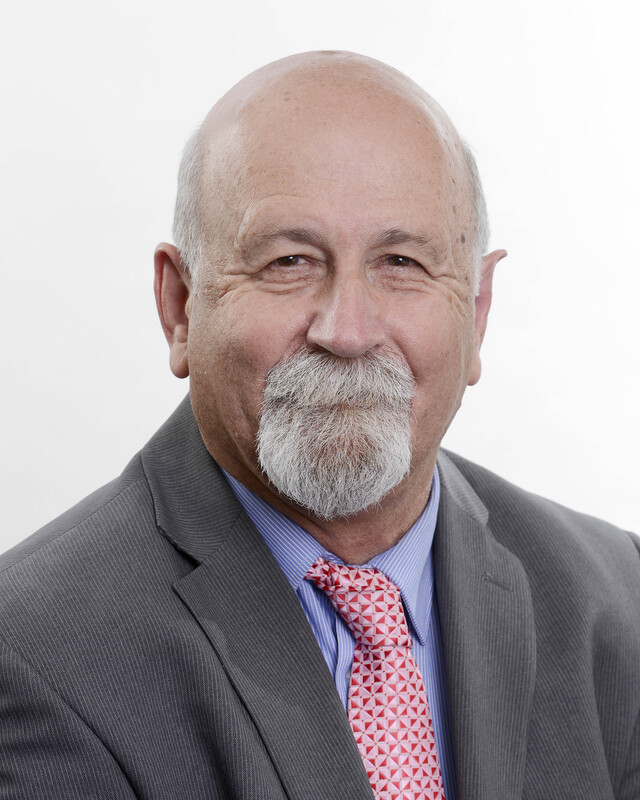
Mayor of Kingborough Council, Steve Wass, said climate change is a concern for the whole community.
“We know that it’s getting hotter and that we’re getting extreme heat, we’re getting extreme cold – we’re starting to see that now.”
Into the future, the mayor said, changes to climate will begin to impact things including Council planning regulations, infrastructure such as roads and sewerage, and insurance policies.
Mr Doole said joint-projects already underway or soon to begin for the councils include a project on carbon footprint and energy auditing, snapshotting of risk years, and working on guidelines for climate change communication with the community.
Queensland-based law firm, DibbsBarker, is also working with both municipalities to create a legal risk framework for local governments when creating climate adaptation policies.
Chief Executive Officer of consultancy firm Climate Planning, Donovan Burton – who has worked with both Whitsunday and Kingborough – said the MoU is notable for being driven by local government.
“It wasn’t a federal-led initiative, wasn’t a state-led initiative, but it was actually two local governments deciding they wanted to do cross-border collaboration.”
Mayor Wass said Kingborough was often frustrated with the “cyclical” nature of leadership on climate change from other government levels.
The Tasmanian State Government is about to begin working with Local Government Association Tasmania (LGAT) and Climate Planning to assess the climate change governance capability of Tasmanian councils; Local Government Association Queensland (LGAQ) spearheaded a similar process for Queensland councils.
The Queensland Government’s Q-Coast program has also provided $12 million in climate adaptation funding to coastal councils across the state.
But, Mayor Wass said not enough support is provided to councils on an ongoing basis.
“We don’t believe the federal or the state [governments] at this stage really understand climate change to the same extent we do.
“We certainly know they’re aware of it and they’re working with it, but the day-in, day-out of our community is so important that if [councils] don’t start now, then it will cost us more in the long run.”
A research institute Kingborough has previously relied on, the federally funded National Climate Change Adaptation Research Facility (NCCARF), looks set to have funding discontinued from June.
The institute recently launched CoastAdapt, a tool that projects changes along Australia’s coastline, which is useful for coastal managers – including councils.
If funding is not renewed, CoastAdapt would remain active for two years, but would not be able to be updated.
Director of NCCARF, Professor Jean Palutikof, said this would particularly impact smaller, less-well-resourced councils.
Donovan Burton said it would put pressure on to state and local governments.
Mayor Wass said despite these uncertainties, Kingborough is taking an “optimistic” view and looking at opportunities for the community.
Plans are underway for a Climate Change Innovation Lab, which is scheduled to open half way through this year. (Whitsunday has also flagged plans for a similar Innovation Hub.)
Kingborough’s lab will be based at Kingston Beach and aims to be a research and public education facility as well as an arts hub.
Council hopes the arts community can help spark conversations with the broader public.
“Communicating on climate change with our local community is exceedingly difficult,” said Mr Doole.
“Whenever we have community forums we tend to be preaching to the converted, so we’ve had to think outside the square on the best way to communicate and bring people along for the ride on climate change and adaptation.
“So that’s what the lab will really focus on – not only the science, or the engineering adaptation opportunities – but also getting people involved in the conversations.”
Council is applying for funding for a two-year pilot program for the lab, after which it is hoped the lab will become financially self-sustainable.
Mayor Wass said, going forward, encouraging further local government collaboration is critical: “If there [are] other local government entities that want to be involved – our word would be, talk to us, because we’re certainly interested in talking to them.”