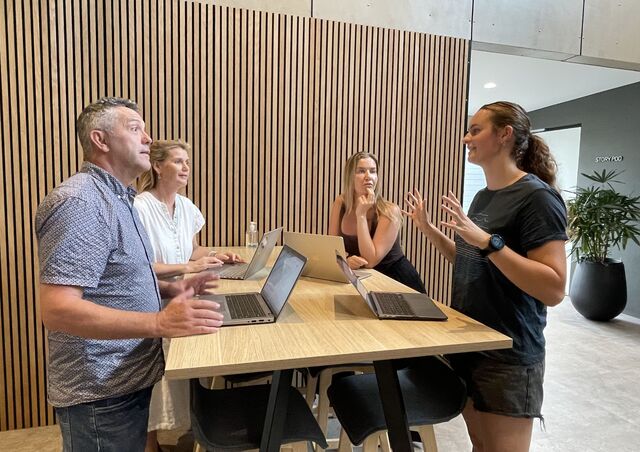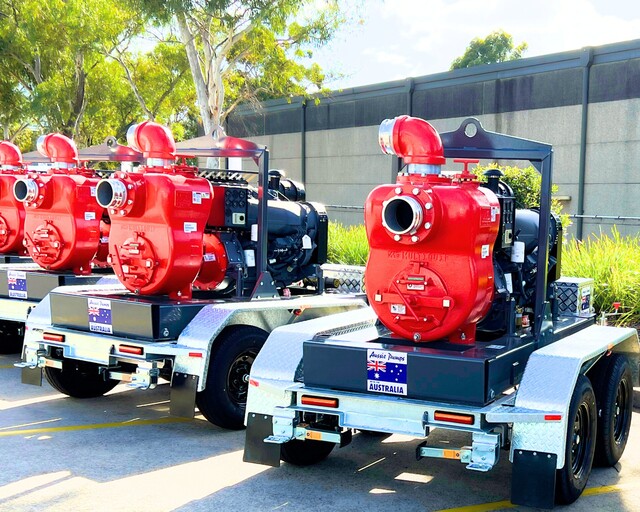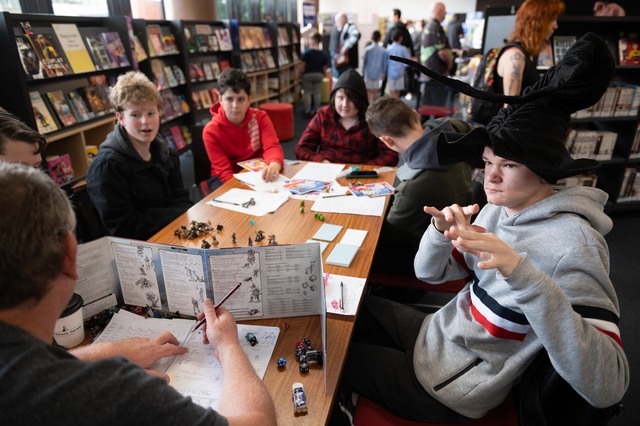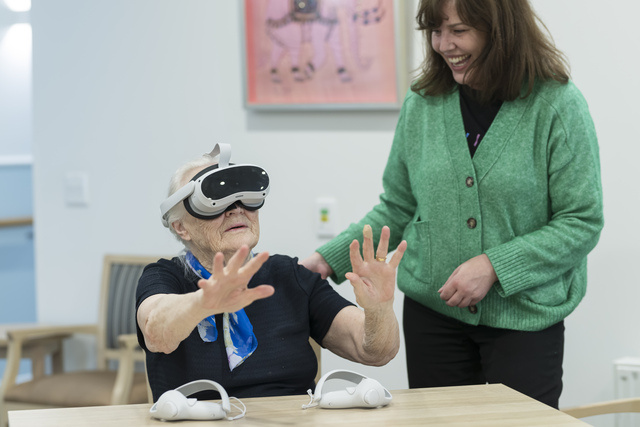
As the world economy evolves, regional, rural and remote Australia’s economic development is increasingly reliant on ‘new economy’ industries, including more mechanised forms of agricultural production, ‘advanced’ manufacturing, specialist technical and business services and the ‘creative industries’.
According to Queensland University of Technology, creativity and design are at the forefront of a rapidly changing world, with the creative industries responsible for US$2.25 billion in revenue, 3percent of world GDP, and 29.5 million jobs worldwide.
At a local policy and planning level, the rapidly developing nature of the creative industries means it is important to understand the differences, as well as the commonalities, between art and culture and creative industries.
‘Culture’ can be defined as the sum of attitudes, customs and beliefs that distinguishes one group of people from another. Culture is transmitted from one generation to the next, or from one group of people to others, through language, material objects, rituals, institutions and art.
‘Art’, which is a form of ‘cultural production’ includes, for example, music, singing, dance, visual arts and other performing arts like acting, as well as writing and film-making. These artistic endeavours are often non-commercial or not-for-profit in nature and their value is recognised in the contribution they make to individual and community wellbeing through artistic expression and enjoyment.
These ‘cultural production’ activities, if transformed into commercial outcomes also form part of what is known as the creative industries. This refers to a broad grouping of individuals and organisations (businesses) that turn original creativity into commercial outcomes.
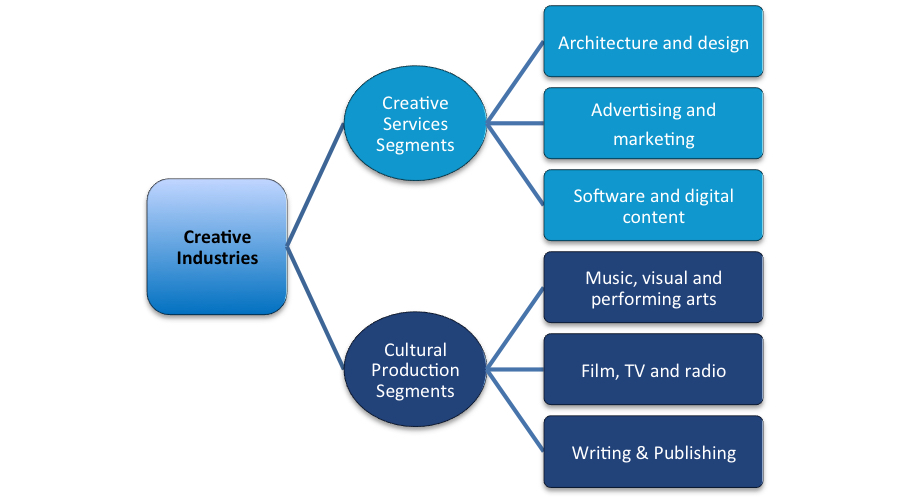
Highly dependent on creative talent, creative industries can be distinguished from other industries by the fact that ‘creativity’ is their primary source of value. They include six broad segments or types of creative individuals and businesses, being:
- music, visual & performing arts (e.g. musicians, singers, dancers, actors, jewellery-makers, weavers, sculptors)
- film, TV and radio (e.g. video producers, radio presenters)
- writing and publishing (e.g. creative writers, journalists)
- software and digital content (e.g. computer animators, software designers, video game designers)
- advertising and marketing (e.g. marketing and advertising specialists, copywriters, public relations specialists)
- architecture and design (e.g. architects, landscape architects, graphic designers, web designers, photographers, illustrators, fashion designers, interior designers).
Industry segments 1-3 above are what are known as the ‘cultural production’ segments, while segments 3-6 are the ‘creative services’ segments.
How government programs to encourage and support these creative industries are designed, should reflect the important distinction between art and culture as a social, cultural or community pursuit and the creative industries as commercially-oriented business pursuits that can contribute to a region’s economic development.
Support for local art and culture can focus on developing the skills, capabilities and experience of local artists. This includes professional development / career development, but it does not include business development. In other words, the primary focus is on non-commercial activities and the aim should be to protect, promote, revitalise and maintain cultural heritage in the interests of community wellbeing.
Creative industries support programs with an economic development focus – to help increase an area’s level of income and employment – should be specifically designed to support individuals and businesses with a commercial focus. This includes those seeking to build a business based on arts and culture as well as those looking to develop other ‘creative’ businesses or business ideas in ‘new economy’ sectors like, for example, web design, marketing and promotions, photography, etc.).
According to research undertaken by Queensland University of Technology, employment in creative industries is currently growing 40 percent faster than the Australian economy as a whole. For any Council looking to help grow its creative economy, the focus must be broader than traditional arts, culture and heritage. The emphasis should be on ‘for-profit’ commercial business opportunities in the creative industries – both cultural production and creative services – which will help deliver real economic development outcomes in the form of business development and local wealth creation.
References:
SC Lennon & Associates and Centre of Excellence for Creative Industries & Innovation (2013), Creative Industries Statistical Analysis for Western Australia, prepared on behalf of the Government of Western Australia, Department of Culture and The Arts.
www.qut.edu.au/creative-industries/about/what-are-the-creative-industries, viewed 20th March 2018
Sasha Lennon (B.Ec., Grad. Dip. Advanced Economics, M.Journ, ACEcD) is a consultant specialising in economic development policy and strategy formulation. Contact: sasha@sashalennon.com.au or go to www.sashalennon.com.au
*Copy supplied by Sasha Lennon, Director, SC Lennon & Associates