Queensland has claimed the dubious title of the most disaster-prone state in Australia; consequently insurance has become a costly commodity, especially north of the Tropic of Capricorn.
The Prime Minister’s announcement this month that he will establish a reinsurance pool to cover cyclone and related flood damage in northern Australia from 1 July 2022, backed by a $10 billion government guarantee, is therefore cause for celebration.
Local Government Association of Queensland (LGAQ) President Mayor Mark Jamieson said a reinsurance pool would mean better access to home and business insurance cover for North Queenslanders many of whom up until now have had to go without because the cost was simply too high.
LGAQ and in particular the North Queensland mayors including Townsville Mayor Jenny Hill and Whitsunday Mayor Andrew Willcox, have been well rewarded for their part in the Federal Government’s announcement.
Mayor Hill appeared before the Senate Select Committee on the effectiveness of the Australian Government’s Northern Australia agenda in March, to further highlight the plight of North Queenslanders and advocated for a national reinsurance pool, similar to the Howard Government’s terrorism insurance scheme introduced in 2003, as well as targeted disaster mitigation projects.
While Queensland Treasurer, Cameron Dick, rightly points out another cyclone season will have to be endured with no relief, the announcement is a bit light on detail, and the question of whether councils will be able to access the reinsurance pool for things like civic centres and playgrounds remains unknown as yet.
Further south, councils are continuing to count the cost of the rolling wave of natural disasters over the past 18 months.
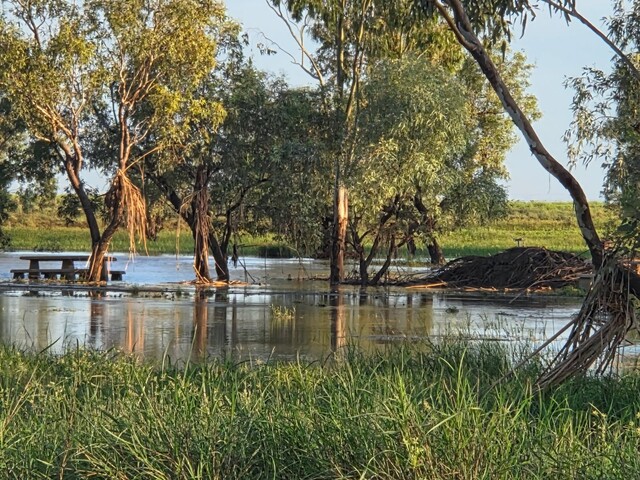
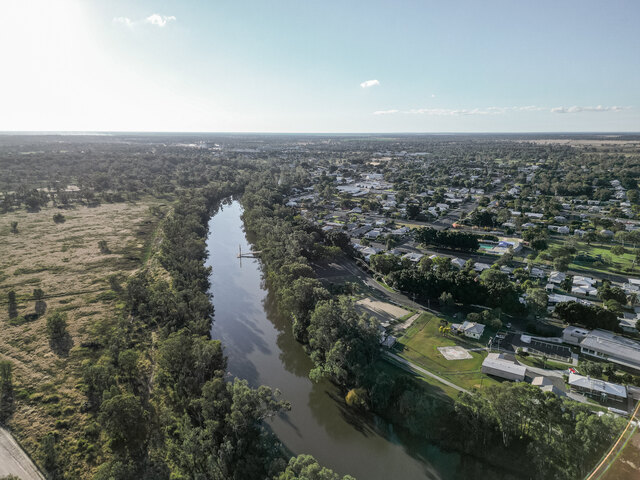
Richmond Valley Council, on the Richmond River in the NSW Northern Rivers region, has estimated their roads, bridges and related infrastructure damage bill at more than $22 million. After five natural disasters declared since October 2019, starting with two separate bushfires, followed by flood events in February and December 2020, a storm in February 2021, and most recently another flood in March, Council has made successful disaster-related claims worth around $13.9 million.
General Manager Vaughan Macdonald said while disaster declarations meant Council was able to claim for the cost of disaster-related repairs with Transport for NSW, the successive wave of natural disasters had placed a significant burden on Council’s resources. Asset maintenance, that sails along when the sun is shining, must be put on hold for fire and flood clean ups and hundreds of hours of extra staff time is diverted to documenting natural disaster impacts and overseeing the repair work, some of which can take months to finalise.
Post-disaster repair work has been made harder as existing damage to infrastructure was compounded by the back-to-back floods. As an example, he said Council had funding approved for essential restoration works for the December flood worth $4.193 million, and preparations were already underway for this work to proceed when the March flood hit. The damage now needs to be reassessed and the fund application resubmitted, essentially starting the process from scratch.
Programs to cover the cost of the clean-up after natural disasters is essential but just as important, although somewhat less heroic, is investing in mitigation.
Tweed Shire Council has just marked the fourth anniversary of ex-Tropical Cyclone Debbie with the launch of the expanded Tweed River Flood Study. The storm caused $3.5 billion in total damage across Australia, primarily as a result of extreme flooding, and fourteen deaths. The study will help define flooding behaviour under current and future climate conditions and become the basis of flood planning in the Tweed.