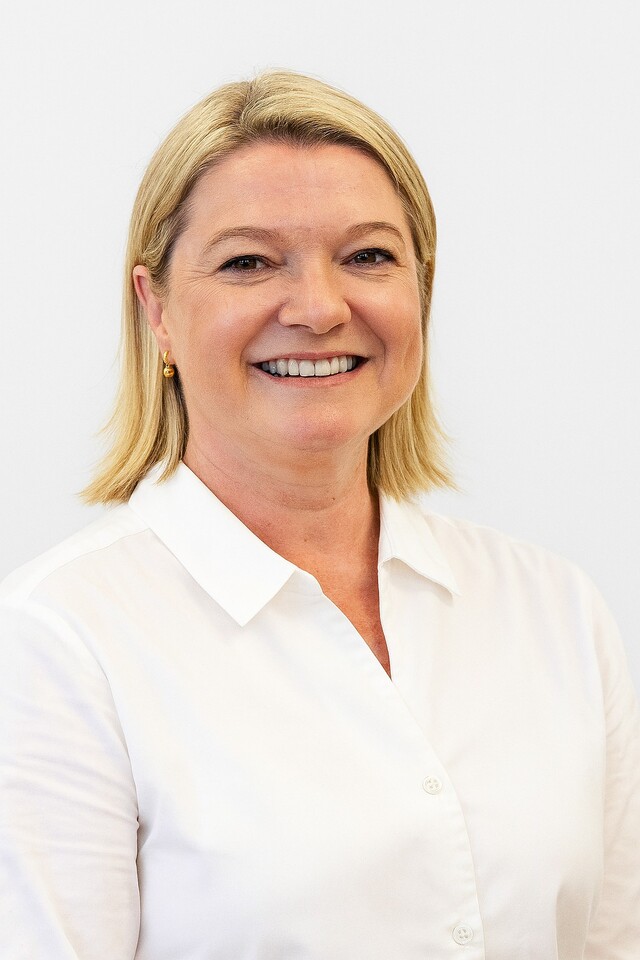
By Rachel Chambers, Mayor North Burnette Regional Council
Growing up in Brisbane I never dreamed that I would one day be forced to regard adequate road maintenance, drinking water, recycling, sewerage and community swimming pools as luxury items.
Yet through April and May, as Mayor, I stood in front of my community, and shared the shocking news that due to the uncertainty of future funding, their council must consider restricting service delivery with such severity that all these essential services would be
affected.
Imagine that, essential services which are only essential if you have the money within a geographic boundary to regard them as such. This is not the Queensland we want.
One third of local governments in Queensland are now at high risk of becoming financially unsustainable.
And I don’t know why no one is talking about it.
Well no one, except everyone in local government, and many parliamentary reports and papers dating back more than a decade. Given local governments’ role as the foundation on which all communities are built, the fact so many of these foundations are unstable, and crumbling, should sound deafening alarm bells at One William Street.
Right now, local government is concerned. State and federal governments have heavily relied on borrowings, to stimulate the Queensland and Australian economies. The grants which so many councils rely on are at risk. Councils have already been told to consider how to continue providing essential services in a “cost affordable manner” and are bracing themselves for more uncertainty to come.
But recent data tells a different story – the exact opposite is needed, and more funding secured as a vital piece of the local government puzzle.
The ability of local governments in Queensland to source their own revenue is vastly different based on location, population size, rate base and the ability to levy user charges. On the surface, spending less than you earn is a sound financial approach. Dig a bit deeper and this unrealistic and unfair demand on some Queensland communities begins to unravel.
The system of financial sustainability as it stands draws a ‘line’ around a geographic area (council) and implies a closed system where ratepayers must pay for the assets and services within this ‘area’. The folly in this, lies in the fact that as Queenslanders we all use each other’s infrastructure and even let people from other states, territories and countries use it on occasion.
When the ratepayers of a “geographic area” are unable to afford to maintain the shared assets within this “council area” alone, they are expected to cut costs by reducing maintenance and lowering service levels. This results in job losses and loss of liveability. Once on this roundabout, there’s no getting off.
Financial sustainability of councils has long been touted as a ‘challenge’. For councils like the North Burnett, just three hours northwest of Brisbane CBD, it’s more like hiking barefoot up Everest, with the hopes and dreams of the community on your back.
With over a billion dollars in assets (including the 12th longest road network in Australian councils) and only 6291 ratepayers, the ability for this council to fund its own way has never been an option and will never be an option unless of course, the community can live without roads and water.
As Queenslanders living in 2021, our expectations are similar regardless of our home address. The difference is, as Queenslanders our home address dictates the level of services provided.
The system is broken. And there’s work to do on all sides. The future of Queenslanders depends on it.
Councils have work to do, to get their long-term planning and asset management in order. I have confidence the sector can do that.
State Government must harness a better understanding and appreciation of the work councils do on behalf of Queenslanders. It’s a glaring omission the Premier’s charter letter to Local Government Minister, Steven Miles does not contain one word about local government financial sustainability.
And the Federal Government must learn how to share the “Common wealth” starting with restoring Federal Assistance Grants to 1%.
In this era of buy now, pay later and instant gratification, communities also have a role to play. People have forgotten what it is like to wait for things, to plan for things. This in turn encourages political decision making where data and evidence is ignored in exchange for uninformed votes. Not a great way to make decisions affecting future generations.
The gap between community expectations and governments’ ability to deliver them is ever widening COVID has given us all an opportunity to reimagine how communities and government sectors can work together for the benefit of future generations.
It’s time to shine a light on these challenges, not leave them, and Queenslanders, in the dark.